

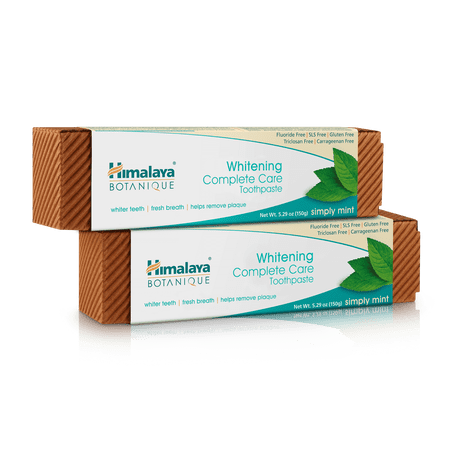
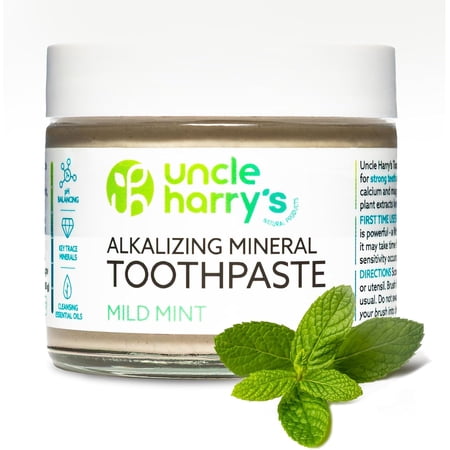
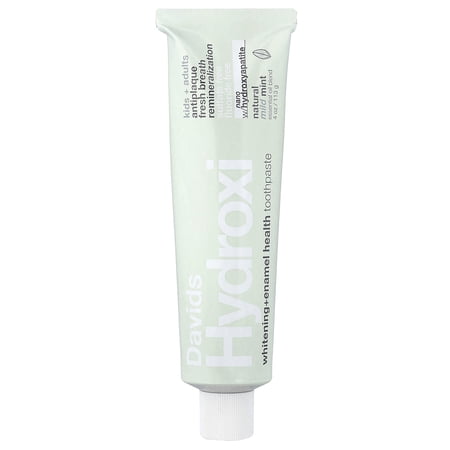


Crest Toothpaste 3DWhite Advanced Whitening Toothpaste Radiant Mint 3.3 oz 2 Pack
Analysis updated August 2026 · How Scout scores
At a glance
Summary
This toothpaste contains beneficial sodium fluoride, which helps prevent tooth decay. However, it also includes potentially irritating ingredients like sodium lauryl sulfate and sodium hydroxide, as well as sodium saccharin, an artificial sweetener with no health benefits. The presence of these controversial ingredients and the high level of processing contribute to a moderate score.
Key ingredients 11
Sodium FluorideGood
Sodium fluoride is an active ingredient that helps prevent tooth decay by strengthening tooth enamel. It is widely recognized for its benefits in oral health, particularly in reducing cavities. The concentration used is important to ensure efficacy and safety.
Risks
Excessive ingestion can lead to dental fluorosis or other health issues.
Benefits
It is effective in preventing cavities and strengthening tooth enamel.
WaterNeutral
Water is used as a solvent to dissolve other ingredients and provide the desired consistency. It is generally considered neutral in terms of health impact as it does not contribute any active benefits or risks in this context. The purity of water is crucial, but no specific quality indicators are provided here.
See more about Water →SorbitolNeutral
Sorbitol is a sugar alcohol used as a sweetener and humectant in toothpaste. It helps maintain moisture and provides a sweet taste without contributing to tooth decay. Sorbitol is generally well-tolerated, but excessive use can lead to digestive discomfort.
Risks
Excessive consumption may cause gastrointestinal issues such as bloating or diarrhea.
Benefits
It provides sweetness without promoting tooth decay, making it suitable for oral care products.
Hydrated SilicaNeutral
Hydrated silica is used as an abrasive agent to help remove plaque and surface stains from teeth. It is considered neutral as it does not have significant health impacts beyond its mechanical cleaning function. The quality of silica can vary, but it is generally safe for use in oral care products.
Benefits
It effectively aids in the mechanical removal of plaque and surface stains from teeth.
Disodium PyrophosphateNeutral
Disodium pyrophosphate is used to prevent tartar buildup on teeth. It acts as a chelating agent, binding calcium and preventing its deposition. While effective in its role, it does not provide additional health benefits.
Benefits
It helps in reducing tartar formation, contributing to oral hygiene.
Sodium HydroxideNeutral
Standard formulation ingredient — neither beneficial nor harmful at typical use.
Risks
Can be corrosive and cause irritation if not properly neutralized.
Cellulose GumNeutral
Cellulose gum is used as a thickening agent to provide the desired texture and stability to the toothpaste. It is derived from cellulose and is generally considered safe and inert. It does not contribute to health benefits but is important for product consistency.
See more about Cellulose Gum →CarbomerNeutral
Carbomer is used as a thickening agent to stabilize the toothpaste formulation. It is a synthetic polymer and is generally considered safe for use in personal care products. It does not provide health benefits but is important for maintaining product consistency.
See more about Carbomer →FlavorBad
Processed additive flagged under Scout's ingredient doctrine.
Risks
Potential risk of allergic reactions if specific allergens are present.
Sodium SaccharinBad
Sodium saccharin is an artificial sweetener used to enhance the taste of toothpaste. It has been controversial due to past studies linking it to health concerns, although it is generally recognized as safe in small amounts. Its use is primarily for taste, with no health benefits.
Risks
Potential health concerns have been raised in the past, though it is considered safe in small quantities.
Sodium Lauryl SulfateVery Bad
Sodium lauryl sulfate is a surfactant used to create foam and enhance the cleaning action of toothpaste. It is known to cause irritation in some individuals, particularly those with sensitive oral tissues. Its use is controversial due to potential irritation and allergic reactions.
Risks
May cause irritation or allergic reactions in sensitive individuals.
Processing
Ultra-Processed Foods
Get the full breakdown in the Scout appTake Scout shopping
Scan any product to see lab results, healthy alternatives, and your personalized analysis.
Download on theApp Store GET IT ONGoogle PlayAmazon pricing & content
Amazon price as of . Product prices and availability are accurate as of the date/time indicated and are subject to change. Any price and availability information displayed on Amazon.com at the time of purchase will apply to the purchase of this product.
CERTAIN CONTENT THAT APPEARS ON THIS SITE COMES FROM AMAZON. THIS CONTENT IS PROVIDED “AS IS” AND IS SUBJECT TO CHANGE OR REMOVAL AT ANY TIME.