

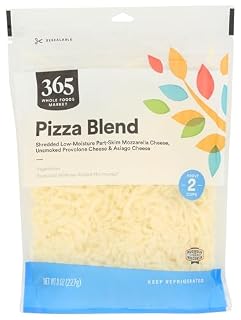


Parmesan shredded
Summary
This shredded Parmesan cheese is made from cultured milk, providing a good source of protein and calcium. However, it is classified as ultra-processed due to the inclusion of additives like cellulose and natamycin, which are used for anti-caking and preservation. While the nutritional profile is strong, the processing level and presence of additives limit its overall health score.
At a glance
Key ingredients 5
Cultured milkGood
Cultured milk is a primary ingredient in cheese, providing essential nutrients like calcium and protein. The fermentation process enhances digestibility and adds beneficial probiotics. It is a high-quality source of animal protein with a rich amino acid profile.
Benefits
Rich in protein and calcium, supporting bone health and muscle maintenance. Contains probiotics that may benefit gut health.
SaltNeutral
Salt is used in cheese for flavor enhancement and preservation. It is a common ingredient in cheese-making, contributing to the texture and taste. While necessary in small amounts, excessive consumption can lead to health issues.
Risks
High sodium intake can contribute to hypertension and cardiovascular disease.
Benefits
Essential for flavor and preservation in cheese-making. Provides necessary sodium for bodily functions when consumed in moderation.
EnzymesNeutral
Enzymes are crucial in the cheese-making process, aiding in milk coagulation and flavor development. They are typically derived from animal or microbial sources. Their role is primarily functional, with no direct nutritional impact.
Benefits
Facilitate the cheese-making process, contributing to texture and flavor development.
CelluloseNeutral
Cellulose is used as an anti-caking agent in shredded cheese to prevent clumping. It is derived from plant fibers and is considered safe for consumption. It does not contribute to the nutritional profile of the product.
Benefits
Helps maintain the texture of shredded cheese by preventing clumping.
NatamycinBad
Natamycin is a preservative used to prevent mold growth on cheese. It is a naturally occurring antifungal agent but is considered an additive. While generally recognized as safe, its use in food products is debated due to potential overuse of preservatives.
Risks
Overuse of preservatives like natamycin can lead to concerns about long-term health effects and resistance.
Benefits
Prevents mold growth, extending the shelf life of cheese products.
Processing
Ultra-Processed Foods
Get the full breakdown in the Scout app
Scan any product to see lab results, healthy alternatives, and your personalized analysis.
Download on theApp Store