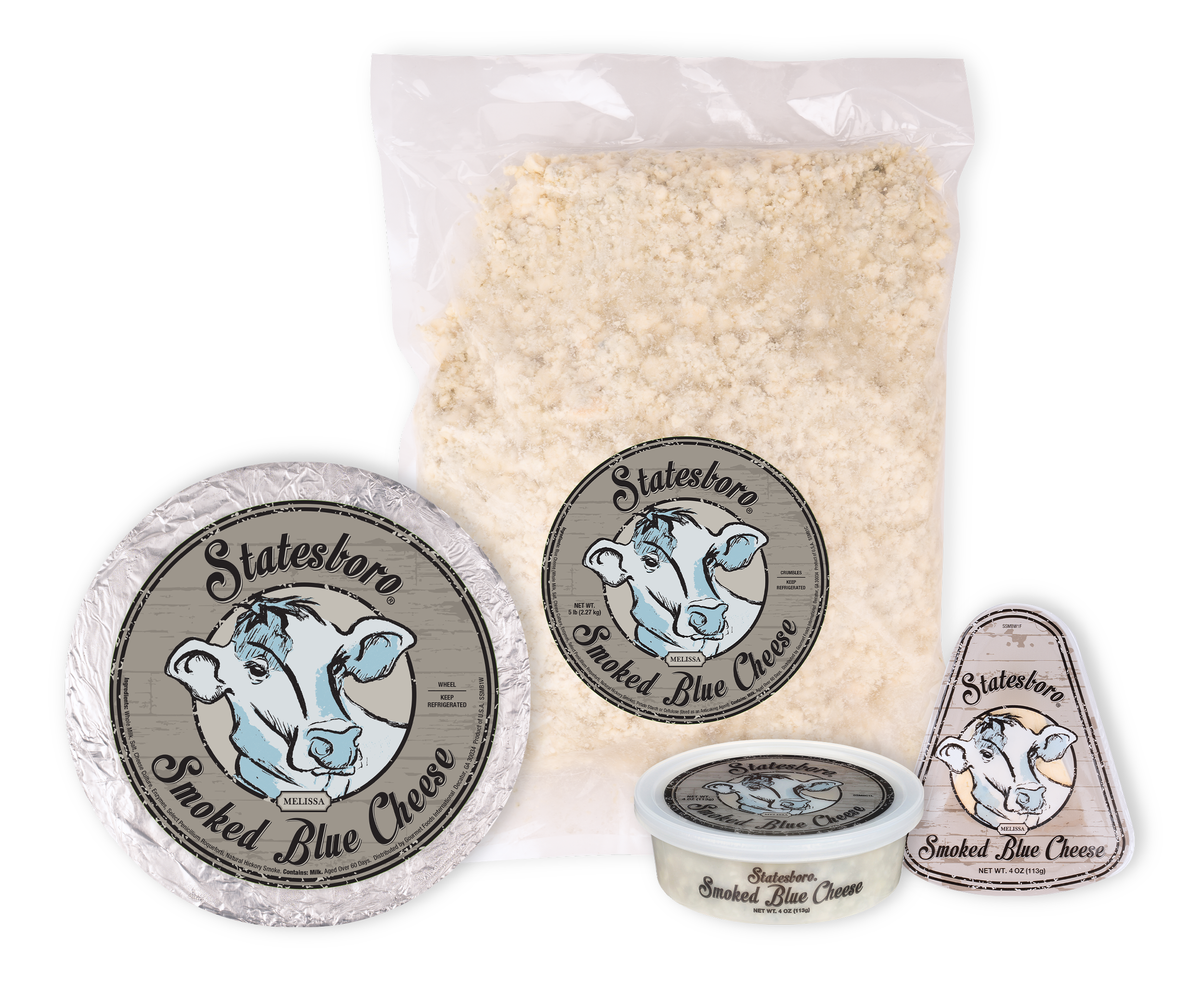
BLUE CHEESE

At a glance
Summary
This blue cheese is made from cultured pasteurized milk, enzymes, salt, and mold, which are traditional ingredients for cheese production. The product is processed but maintains a clean label with no artificial additives or seed oils, contributing to its favorable rating. Its high protein and fat content, typical of cheese, further supports its nutritional value. Its plastic packaging can shed microplastics into the food and lowers its score.
Key ingredients 4
Cultured pasteurized milkNeutral
Cultured pasteurized milk is a standard base for cheese production, providing essential proteins and fats. Pasteurization ensures safety by eliminating harmful bacteria, but it may reduce some beneficial bacteria. It is a common ingredient in cheese, contributing to texture and flavor.
Benefits
Provides essential proteins and fats necessary for cheese production and contributes to the overall nutritional profile of the cheese.
EnzymesNeutral
Enzymes are used in cheese making to aid in the coagulation of milk, forming curds. They are essential for developing the texture and flavor of cheese. Typically derived from animal or microbial sources, they are a standard component in cheese production.
Benefits
Essential for the cheese-making process, contributing to the development of texture and flavor.
SaltNeutral
Salt is used in cheese for flavor enhancement and as a preservative. It helps control the growth of unwanted bacteria and contributes to the cheese's texture. While necessary in cheese production, excessive consumption of salt can lead to health issues.
Risks
Excessive salt intake can contribute to high blood pressure and cardiovascular issues.
Benefits
Enhances flavor and acts as a preservative, contributing to the cheese's texture and safety.
MoldNeutral
Mold is used in blue cheese to develop its characteristic flavor and texture. It is a natural part of the cheese aging process, contributing to the unique taste profile. While generally safe, some individuals may have sensitivities to mold.
Risks
Individuals with mold allergies or sensitivities may experience adverse reactions.
Benefits
Contributes to the unique flavor and texture of blue cheese, enhancing its culinary appeal.
Processing
Processed Foods
Get the full breakdown in the Scout appTake Scout shopping
Scan any product to see lab results, healthy alternatives, and your personalized analysis.
Are you BelGioioso? Fix an error Get the badge Get tested