



At a glance
Summary
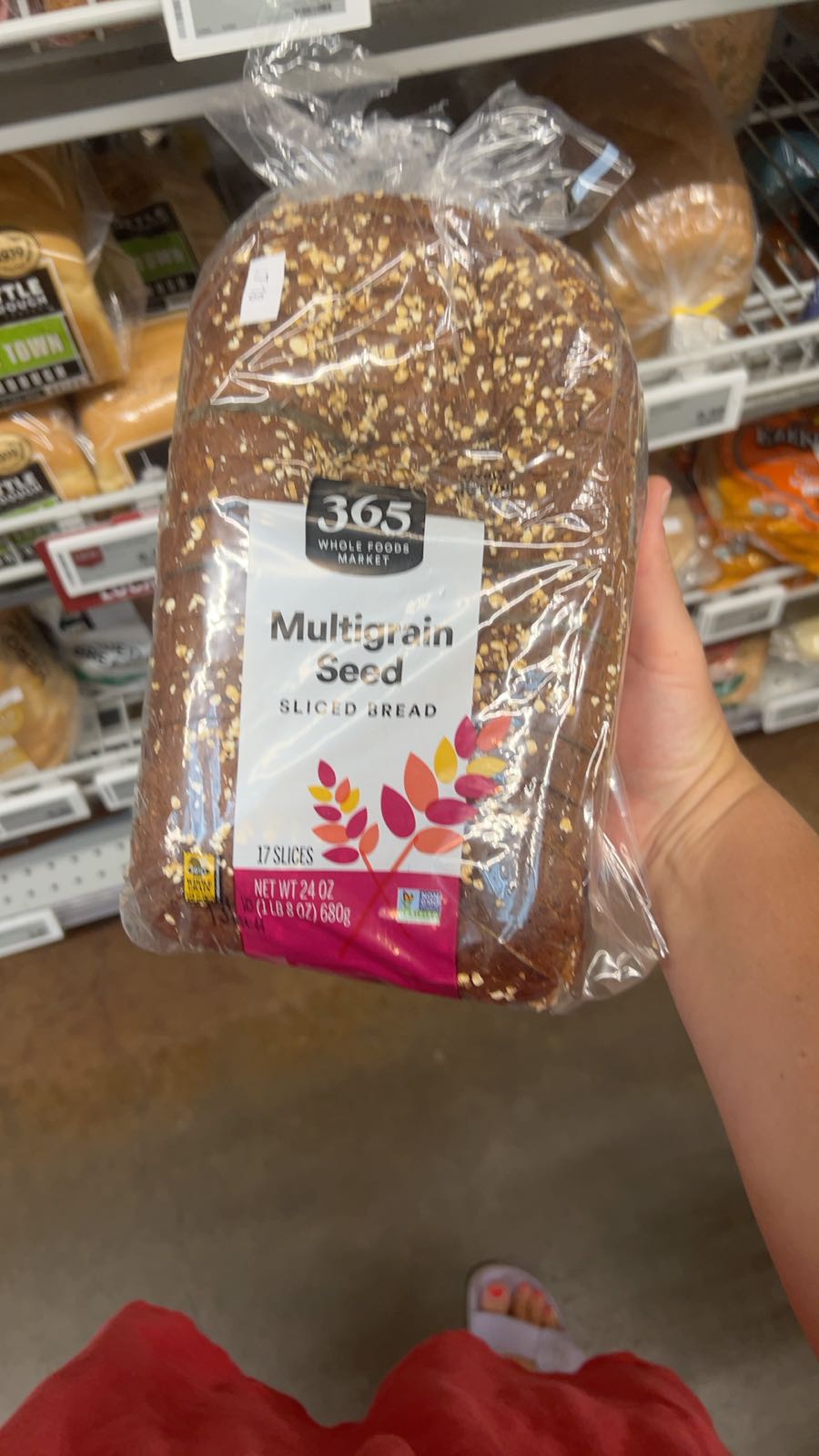
This multigrain bread features a variety of whole grains such as hulled millet, brown flax, and cracked barley, which contribute beneficial nutrients and fiber. The absence of harmful additives and seed oils enhances its health profile. However, as a processed food, its score is limited by its processing level, despite the clean ingredient list.
Key ingredients 12
Hulled milletGood
Hulled millet is a whole grain that provides essential nutrients and fiber. It is gluten-free and rich in magnesium, phosphorus, and antioxidants. Its inclusion enhances the nutritional profile of the bread.
Benefits
Offers dietary fiber and essential minerals, contributing to heart health and digestion.
Brown flaxGood
Brown flax seeds are a rich source of omega-3 fatty acids and lignans. They provide anti-inflammatory benefits and support heart health. The seeds also add fiber and protein to the bread.
Benefits
Rich in omega-3 fatty acids, which support cardiovascular health and reduce inflammation.
Cracked barleyGood
Cracked barley is a whole grain that adds fiber and nutrients to the bread. It is known for its high beta-glucan content, which can help lower cholesterol levels. Its inclusion improves the bread's nutritional value.
Benefits
Provides beta-glucans that support heart health and improve digestion.
Cracked ryeGood
Cracked rye is a whole grain that contributes to the bread's fiber content. It is rich in vitamins and minerals, including magnesium and phosphorus. Its use enhances the bread's nutritional profile.
Benefits
Offers dietary fiber and essential nutrients, supporting digestive health and satiety.
Cracked wheatGood
Cracked wheat is a whole grain that enhances the bread's fiber and nutrient content. It is rich in B vitamins and minerals, supporting overall health. Its inclusion improves the bread's nutritional density.
Benefits
Provides fiber and essential nutrients, promoting digestive health and energy metabolism.
Rye chopsGood
Rye chops are coarsely ground rye grains that add fiber and nutrients to the bread. They are rich in antioxidants and support heart health. Their inclusion enhances the bread's nutritional profile.
Benefits
Rich in fiber and antioxidants, supporting cardiovascular health and digestion.
Unbleached, unbromated flourNeutral
Unbleached, unbromated flour is a staple ingredient in bread-making. It is less processed than bleached flour, retaining more natural nutrients. However, it lacks the nutritional density of whole grain flours.
Benefits
Provides structure and texture to baked goods, though it lacks the fiber and nutrients found in whole grain alternatives.
WaterNeutral
Water is a fundamental ingredient in bread, necessary for hydration and gluten development. It is a natural, unprocessed component with no nutritional value. Its role is primarily functional in the dough-making process.
Benefits
Essential for dough formation and yeast activation in bread-making.
Cracked cornNeutral
Cracked corn is a processed form of corn that adds texture to the bread. It provides carbohydrates but lacks significant nutritional benefits compared to whole grains. Its role is primarily for texture and flavor.
Benefits
Adds texture and flavor to the bread, though it is not a significant source of nutrients.
SaltNeutral
Salt is used in bread to enhance flavor and control yeast activity. It is a necessary component in small amounts but offers no nutritional benefits. Excessive consumption can lead to health issues.
Risks
High sodium intake can contribute to hypertension and cardiovascular issues.
Benefits
Enhances flavor and regulates yeast activity in bread-making.
Cultured wheat flourNeutral
Cultured wheat flour is treated with natural cultures to extend shelf life. It is a minimally processed ingredient that helps preserve the bread naturally. Its impact on health is neutral.
Benefits
Helps extend the shelf life of bread without synthetic preservatives.
YeastNeutral
Yeast is a natural leavening agent used in bread-making. It ferments sugars to produce carbon dioxide, which helps the dough rise. It is a natural and essential component in bread.
Benefits
Facilitates dough rising and contributes to the bread's texture and flavor.
Processing
Processed Foods
Get the full breakdown in the Scout appTake Scout shopping
Scan any product to see lab results, healthy alternatives, and your personalized analysis.
Download on theApp Store GET IT ONGoogle Play