

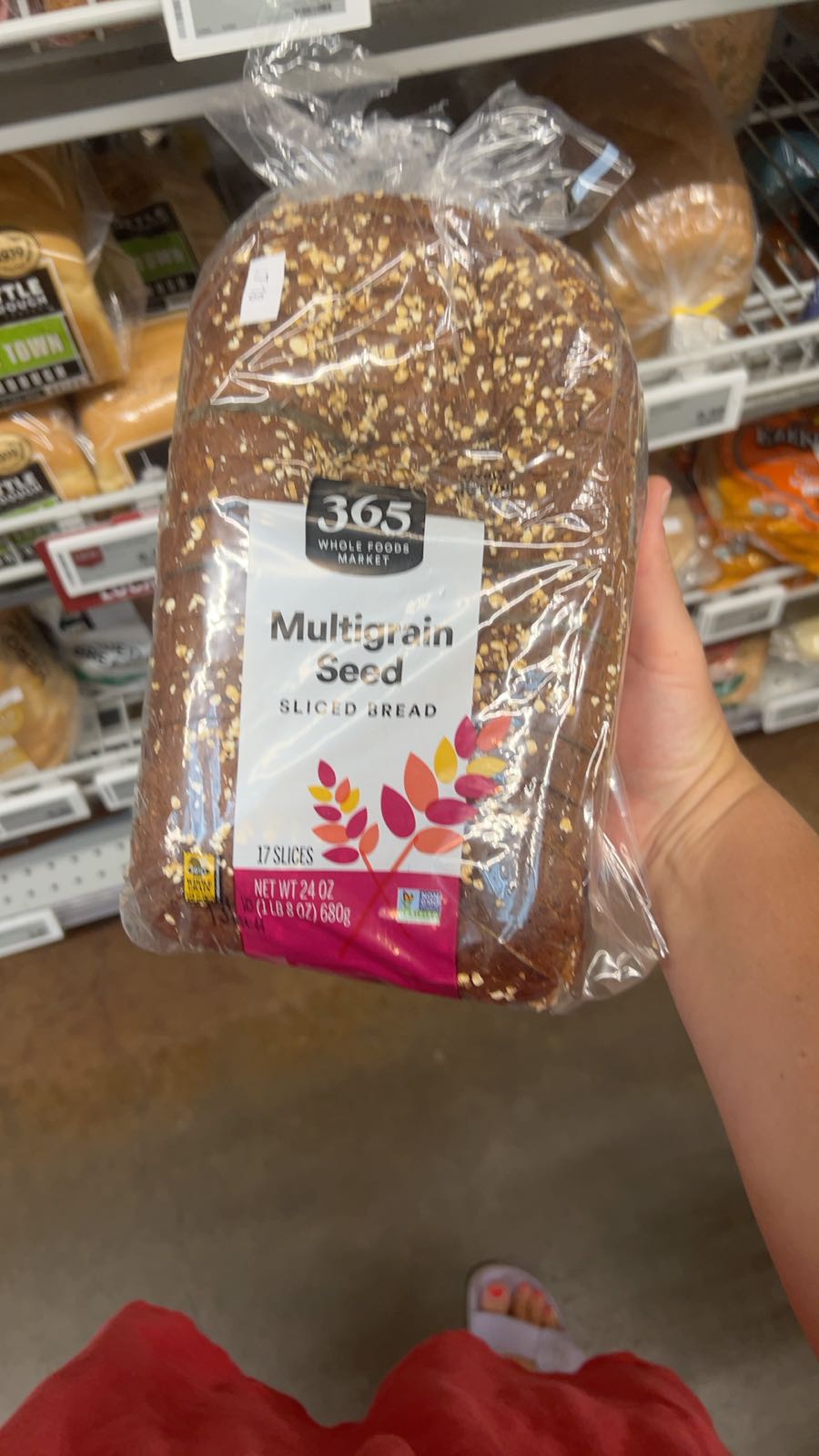


Lucky 7 Multigrain Sourdough Sliced Bread
Analysis updated September 2026 · How Scout scores
At a glance
Summary
This multigrain sourdough bread features a clean ingredient list with beneficial components like whole wheat flour, organic honey, and a variety of seeds, which contribute to its nutritional value. The use of sourdough culture enhances the bread's digestibility and nutrient availability. However, as a processed food, its score is capped, and while it lacks harmful additives, the processing level prevents it from reaching the highest tier.
Key ingredients 13
Sourdough cultureGood
Sourdough culture is a natural leavening agent that enhances the flavor and texture of bread. It involves fermentation, which can improve the digestibility of the bread and increase nutrient availability. The fermentation process may also reduce the glycemic index of the bread.
Benefits
Improves digestibility and nutrient absorption due to fermentation. May lower the glycemic index of the bread.
Whole wheat flourGood
Whole wheat flour is less processed than white flour and retains more nutrients and fiber. It contributes to a higher nutritional value in bread, offering vitamins, minerals, and dietary fiber. The fiber content supports digestive health and may aid in blood sugar control.
Risks
May cause adverse reactions in individuals with gluten intolerance or celiac disease.
Benefits
Rich in dietary fiber, vitamins, and minerals, supporting digestive health and potentially aiding in blood sugar control.
Organic honeyGood
Organic honey is a natural sweetener that provides a source of simple sugars and antioxidants. It is less processed than refined sugars and may offer some health benefits due to its antioxidant content. The organic certification indicates a lack of synthetic pesticides and fertilizers.
Risks
High sugar content may contribute to increased blood sugar levels if consumed in excess.
Benefits
Provides natural sweetness and antioxidants, with potential health benefits over refined sugars.
Sea saltGood
Sea salt is a natural source of sodium and trace minerals, used to enhance flavor in foods. It is less processed than table salt and retains more minerals. The presence of trace minerals can contribute to overall mineral intake.
Risks
Excessive sodium intake can lead to high blood pressure and cardiovascular issues.
Benefits
Provides essential sodium and trace minerals, enhancing flavor and contributing to mineral intake.
Flax seedsGood
Flax seeds are a rich source of omega-3 fatty acids, fiber, and lignans. They support heart health, digestive health, and may have anti-inflammatory properties. The presence of lignans also offers potential antioxidant benefits.
Risks
May cause digestive discomfort if consumed in large quantities.
Benefits
Rich in omega-3 fatty acids, fiber, and lignans, supporting heart and digestive health.
Sunflower seedsGood
Sunflower seeds are a good source of healthy fats, protein, and vitamin E. They contribute to heart health and provide antioxidant benefits. The seeds also offer minerals like magnesium and selenium.
Risks
May cause allergic reactions in sensitive individuals.
Benefits
Provide healthy fats, protein, and vitamin E, supporting heart health and offering antioxidant benefits.
Millet seedsGood
Millet seeds are a gluten-free grain rich in fiber, protein, and essential minerals. They support digestive health and provide a good source of plant-based protein. Millet is also known for its antioxidant properties.
Benefits
Rich in fiber, protein, and minerals, supporting digestive health and providing antioxidant benefits.
Poppy seedsGood
Poppy seeds are a source of healthy fats, fiber, and minerals like calcium and magnesium. They contribute to bone health and provide a unique flavor to foods. The seeds also contain antioxidants that may offer health benefits.
Risks
May cause allergic reactions in sensitive individuals.
Benefits
Provide healthy fats, fiber, and minerals, supporting bone health and offering antioxidant benefits.
Pumpkin seedsGood
Pumpkin seeds are rich in healthy fats, protein, and minerals like zinc and magnesium. They support heart health, immune function, and provide antioxidant benefits. The seeds are also a good source of plant-based protein.
Risks
May cause allergic reactions in sensitive individuals.
Benefits
Rich in healthy fats, protein, and minerals, supporting heart health and immune function.
Rolled oatsGood
Rolled oats are a whole grain rich in fiber, particularly beta-glucan, which supports heart health and cholesterol management. They provide a good source of complex carbohydrates and protein. Oats also contain antioxidants that may offer additional health benefits.
Risks
May cause digestive discomfort in individuals with oat sensitivities.
Benefits
Rich in fiber and antioxidants, supporting heart health and providing complex carbohydrates.
WaterNeutral
Water is a basic ingredient used to hydrate the flour and activate the yeast in bread making. It is essential for the dough formation and fermentation process. Water itself does not provide any nutritional benefits or risks.
See more about Water →EnzymesNeutral
Enzymes are used in bread making to improve dough handling and texture. They are naturally occurring proteins that aid in the breakdown of starches and proteins. Enzymes themselves do not provide direct nutritional benefits or risks.
See more about Enzymes →Wheat flourBad
Refined grain flour stripped of bran and germ.
Risks
May cause adverse reactions in individuals with gluten intolerance or celiac disease.
Benefits
Provides carbohydrates and some protein, essential for energy and structure in bread.
Processing
Processed Foods
Get the full breakdown in the Scout appTake Scout shopping
Scan any product to see lab results, healthy alternatives, and your personalized analysis.
Download on theApp Store GET IT ONGoogle Play