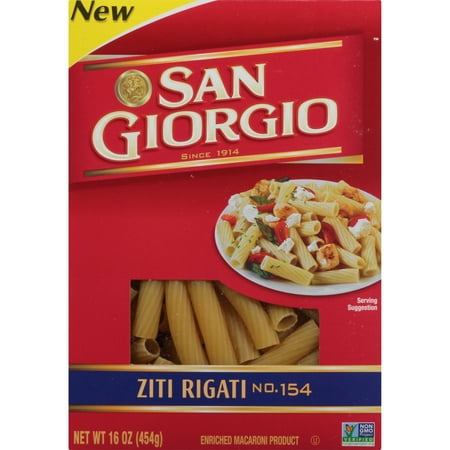
ZITI RIGATI
At a glance
Summary
This pasta is made primarily from semolina and durum wheat flour, which are minimally processed ingredients. It contains added vitamins and minerals like niacin, iron, and folic acid, which enhance its nutritional profile. The absence of harmful additives, artificial colors, or seed oils contributes to its high score, reflecting its status as a simple, wholesome food product.
Key ingredients 7
SemolinaNeutral
Semolina is a coarse flour made from durum wheat, commonly used in pasta. It is minimally processed and retains some nutrients from the wheat. It provides a good source of carbohydrates but lacks significant micronutrients.
Risks
Contains gluten, which may cause issues for individuals with celiac disease or gluten sensitivity.
Benefits
Provides a source of energy through carbohydrates and contains some protein.
Durum flourNeutral
Durum flour is made from durum wheat and is used in pasta production. It is a refined flour that provides carbohydrates and some protein. While it is a staple in pasta, it lacks fiber and micronutrients compared to whole grain options.
Risks
Contains gluten, which can be problematic for those with celiac disease or gluten intolerance.
Benefits
Offers a source of energy and protein, suitable for pasta making due to its high gluten content.
NiacinNeutral
Niacin, also known as vitamin B3, is added to enrich the nutritional profile of the flour. It plays a role in energy metabolism and maintaining healthy skin. While beneficial, it is typically added in small amounts that do not significantly impact overall nutrition.
Benefits
Supports energy metabolism and contributes to healthy skin and nerve function.
Ferrous sulfateNeutral
Ferrous sulfate is an iron supplement used to fortify foods. It helps prevent iron deficiency anemia by increasing iron intake. While beneficial for iron levels, it can cause gastrointestinal discomfort in some individuals.
Risks
May cause gastrointestinal issues such as constipation or nausea in some people.
Benefits
Helps prevent iron deficiency anemia and supports oxygen transport in the body.
Thiamin mononitrateNeutral
Thiamin mononitrate is a form of vitamin B1 used to fortify foods. It is essential for energy metabolism and nerve function. The fortification helps prevent deficiencies but does not significantly enhance the nutritional profile of the product.
Benefits
Supports energy metabolism and proper nerve function.
RiboflavinNeutral
Riboflavin, or vitamin B2, is added to enrich the flour. It plays a crucial role in energy production and cellular function. While beneficial, the amounts added are small and primarily serve to prevent deficiencies.
Benefits
Contributes to energy production and supports healthy skin and eyes.
Folic acidNeutral
Folic acid is a synthetic form of vitamin B9 used to fortify foods. It is important for DNA synthesis and cell division. The fortification helps prevent neural tube defects in pregnancy but does not significantly alter the product's nutritional value.
Benefits
Essential for DNA synthesis and cell division, and helps prevent neural tube defects during pregnancy.
Processing
Unprocessed or Minimally Processed Foods
Get the full breakdown in the Scout appTake Scout shopping
Scan any product to see lab results, healthy alternatives, and your personalized analysis.
Are you New World Pasta Company? Fix an error Get the badge Get tested