
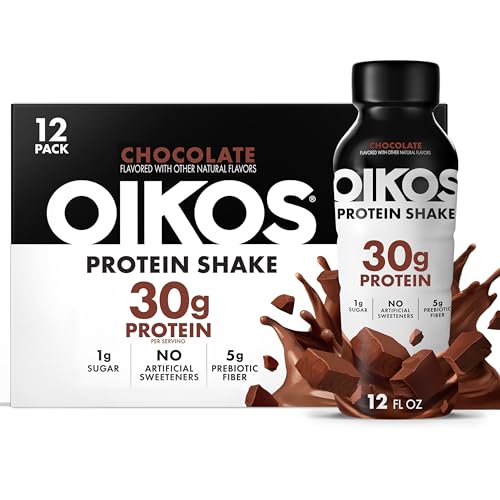



Protein Shake
Summary
This protein shake contains beneficial ingredients like milk protein concentrate and micellar casein isolate, which provide high-quality protein. However, it is heavily processed and includes high oleic sunflower oil and natural flavors, which are considered less desirable due to potential health concerns. The presence of multiple additives and its classification as an ultra-processed product further impacts its overall health rating.
At a glance
Key ingredients 14
Filtered waterNeutral
Filtered water is used as a base for many beverages, providing hydration without additional calories. It is typically free from impurities and contaminants. It serves as a neutral carrier for other ingredients.
Benefits
Provides hydration and acts as a solvent for other ingredients.
Milk protein concentrateGood
Milk protein concentrate is a high-quality protein source derived from milk, rich in essential amino acids. It is processed to retain a high protein content while removing lactose and fat. This ingredient supports muscle repair and growth.
Risks
May cause allergic reactions in individuals with milk allergies.
Benefits
Provides a complete amino acid profile beneficial for muscle health and recovery.
Micellar casein isolateGood
Micellar casein isolate is a slow-digesting protein that provides a sustained release of amino acids. It is minimally processed to preserve its natural structure. This makes it ideal for prolonged protein supply, especially overnight.
Risks
May cause digestive discomfort in lactose-intolerant individuals.
Benefits
Supports muscle maintenance and recovery over extended periods.
InulinGood
Inulin is a prebiotic fiber that supports gut health by promoting beneficial bacteria growth. It is extracted from chicory root and used to improve digestive health. Additionally, it can enhance calcium absorption.
Risks
Excessive consumption may lead to digestive discomfort such as bloating or gas.
Benefits
Promotes gut health and may improve mineral absorption.
Coconut oilGood
Coconut oil is a source of medium-chain triglycerides (MCTs) that are quickly metabolized for energy. It is extracted from coconut meat and is known for its antimicrobial properties. It supports energy levels and may aid in weight management.
Risks
High in saturated fats, which should be consumed in moderation.
Benefits
Provides quick energy and has potential antimicrobial benefits.
High oleic sunflower oilVery Bad
High oleic sunflower oil is a seed oil high in monounsaturated fats but still considered a seed oil with potential health concerns. It is processed to increase oleic acid content, which is more stable than regular sunflower oil. However, it still contributes to high omega-6 intake, which can be inflammatory.
Risks
High omega-6 content may promote inflammation when consumed in excess.
Benefits
Contains monounsaturated fats that are more stable and heart-friendly.
Natural flavorsVery Bad
Natural flavors are a catch-all term for flavoring agents derived from natural sources but can be highly processed. They lack transparency in terms of specific ingredients used. This can be concerning for individuals with allergies or sensitivities.
Risks
Potential allergen risk due to undisclosed ingredients.
Potassium citrateNeutral
Potassium citrate is used as a buffering agent to maintain pH balance in foods. It is a salt of citric acid and potassium, contributing to electrolyte balance. It is generally recognized as safe when used in moderation.
Risks
Excessive intake may lead to hyperkalemia, especially in individuals with kidney issues.
Benefits
Helps maintain electrolyte balance and supports metabolic functions.
Sea saltGood
Unrefined sea salt — a minimally processed, natural source of sodium and essential trace minerals, and a legitimate whole-food seasoning. Treated as a positive ingredient.
Risks
Excessive sodium intake can lead to hypertension and cardiovascular issues.
Benefits
Provides essential minerals and enhances flavor.
Gellan gumNeutral
Gellan gum is a gelling agent used to stabilize and thicken products. It is produced by bacterial fermentation and is considered safe for consumption. It helps maintain product consistency without significant nutritional impact.
Risks
May cause digestive discomfort in sensitive individuals.
Benefits
Stabilizes and thickens products without altering flavor.
Stevia extractNeutral
Stevia extract is a natural, zero-calorie sweetener derived from the stevia plant. It is used as a sugar substitute without significant health concerns. It provides sweetness without affecting blood sugar levels.
Benefits
Offers a calorie-free alternative to sugar, suitable for diabetics.
Sunflower lecithinNeutral
Sunflower lecithin is an emulsifier that helps blend ingredients together. It is derived from sunflower seeds and is less allergenic than soy lecithin. It is used to improve texture and consistency in food products.
Benefits
Improves texture and consistency in food products.
Vitamin A palmitateNeutral
Vitamin A palmitate is a synthetic form of vitamin A used to fortify foods. It is added to enhance nutritional value, particularly in processed foods. While beneficial in small amounts, excessive intake can lead to toxicity.
Risks
Excessive intake may lead to hypervitaminosis A.
Benefits
Supports vision, immune function, and skin health.
Vitamin D3Good
Vitamin D3 is an essential nutrient that supports bone health and immune function. It is often added to foods to prevent deficiencies, especially in populations with limited sun exposure. It enhances calcium absorption and bone mineralization.
Risks
Excessive intake can lead to hypercalcemia and associated health issues.
Benefits
Supports bone health and immune function, enhancing calcium absorption.
Processing
Ultra-Processed Foods
Get the full breakdown in the Scout app
Scan any product to see lab results, healthy alternatives, and your personalized analysis.
Download on theApp Store