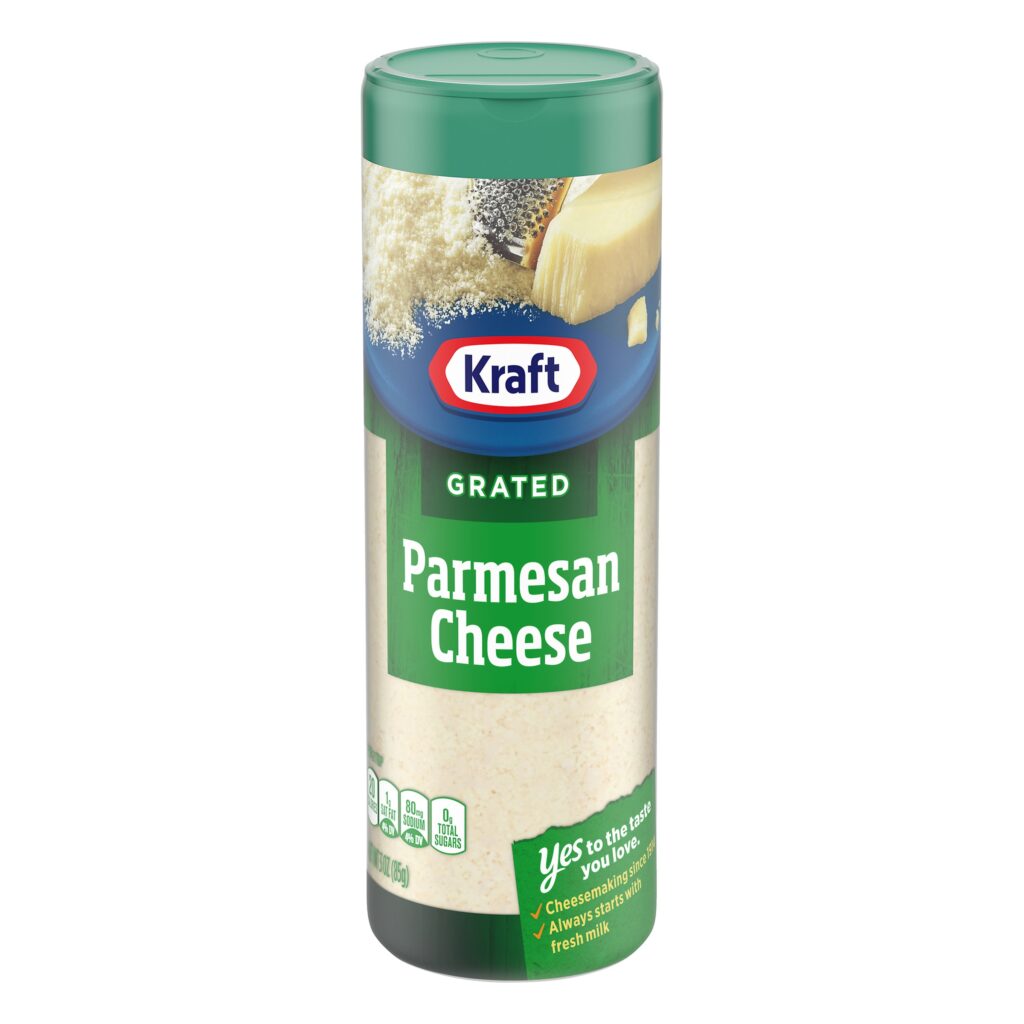
PARMESAN FINELY SHREDDED CHEESE, PARMESAN

At a glance
Summary
This finely shredded Parmesan cheese is ultra-processed due to the inclusion of anticaking agents and natamycin, a mold inhibitor. While it contains beneficial ingredients like cultured pasteurized milk and enzymes, the presence of additives and its processing level limit its healthfulness compared to traditional cheeses. The product's high protein content is a positive aspect, but the processing and additives prevent it from scoring higher.
Key ingredients 5
Cultured pasteurized milkNeutral
Cultured pasteurized milk is a standard ingredient in cheese production, providing the base for fermentation. Pasteurization ensures safety by eliminating harmful bacteria, but it may reduce some beneficial bacteria. It is a common practice in cheese making and does not significantly impact the nutritional profile.
Benefits
Provides essential nutrients such as calcium and protein, which are beneficial for bone health.
SaltNeutral
Salt is used in cheese for flavor and as a preservative. It is a necessary component in cheese making but contributes to the overall sodium content. While it enhances taste, excessive consumption can lead to health issues like hypertension.
Risks
High sodium intake can contribute to hypertension and cardiovascular issues.
Benefits
Enhances flavor and acts as a preservative in cheese.
EnzymesNeutral
Enzymes are used in cheese making to aid in the coagulation of milk. They are essential for transforming milk into cheese but do not have a direct nutritional impact. Typically derived from animal or microbial sources, they are a standard part of cheese production.
Benefits
Essential for the cheese-making process, aiding in milk coagulation.
Anticake (potato starch, corn starch, powdered cellulose)Neutral
Anticaking agents like potato starch, corn starch, and powdered cellulose prevent clumping in shredded cheese. They are generally considered safe but add minimal nutritional value. These agents ensure the cheese remains free-flowing and easy to use.
Benefits
Helps maintain the texture and usability of shredded cheese.
NatamycinBad
Natamycin is a natural mold inhibitor used to extend the shelf life of cheese. While effective in preventing spoilage, its use as a preservative is a marker of ultra-processed foods. It is generally recognized as safe but may be unnecessary in traditional cheese-making.
Risks
May contribute to the perception of the product as ultra-processed and could cause allergic reactions in sensitive individuals.
Benefits
Prevents mold growth, extending the shelf life of cheese.
Processing
Ultra-Processed Foods
Get the full breakdown in the Scout appTake Scout shopping
Scan any product to see lab results, healthy alternatives, and your personalized analysis.
Are you Food Club? Fix an error Get the badge Get tested