


At a glance
Summary
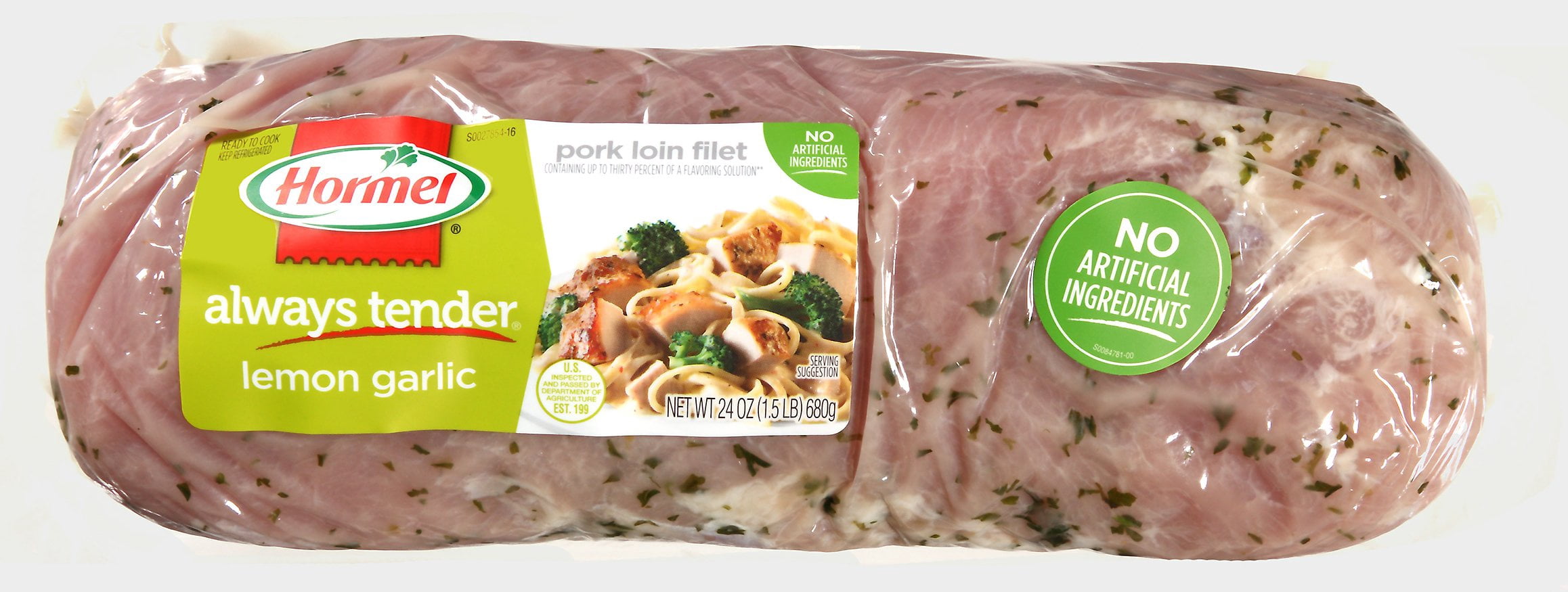
The Lemon Garlic Pork Loin contains pork as a primary ingredient, which is a good source of protein. However, the presence of soybean oil, a highly processed seed oil, and unspecified flavoring detracts from its nutritional quality. The product is processed, which limits its score due to the inclusion of additives and the use of industrial ingredients.
Key ingredients 10
PorkGood
Pork is a high-quality source of protein and essential nutrients. It provides a rich amino acid profile necessary for muscle maintenance and repair. When sourced from well-raised animals, it can also contain beneficial fats.
Risks
Potential risks include high saturated fat content and the presence of antibiotics or hormones if not sourced responsibly.
Benefits
Rich in protein and essential vitamins and minerals like B vitamins and zinc, supporting overall health and muscle function.
Pork BrothNeutral
Pork broth is a flavorful liquid made by simmering pork bones and meat. It can provide some nutrients and enhance the taste of dishes. However, its nutritional value depends on the preparation method and ingredients used.
Benefits
May contain collagen and minerals beneficial for joint and skin health, depending on preparation.
Dried VinegarNeutral
Dried vinegar is used as a flavoring and preservative. It provides acidity that can enhance flavor and act as a natural preservative. It is minimally processed and generally considered safe.
Benefits
Acts as a natural preservative and flavor enhancer.
SaltNeutral
Salt is used to enhance flavor and preserve food. It is a necessary nutrient but should be consumed in moderation to avoid health issues like hypertension. It is a common culinary ingredient with no significant processing.
Risks
Excessive consumption can lead to hypertension and cardiovascular issues.
Benefits
Essential for maintaining fluid balance and nerve function.
Cultured DextroseNeutral
Cultured dextrose is used as a natural preservative and flavor enhancer. It is produced by fermenting dextrose with bacteria, which can inhibit spoilage. It is considered a cleaner alternative to synthetic preservatives.
Benefits
Acts as a natural preservative and can enhance flavor.
Lemon Juice ConcentrateNeutral
Lemon juice concentrate is used for its acidic and citrus flavor. It is a concentrated form of lemon juice, providing vitamin C and antioxidants. However, the concentration process may reduce some of its nutritional value.
Benefits
Provides vitamin C and antioxidants, enhancing flavor and freshness.
Dehydrated ParsleyNeutral
Dehydrated parsley is used as a seasoning and garnish. It retains some of the nutrients found in fresh parsley, such as vitamins A and C. However, the drying process may reduce its overall nutrient content.
Benefits
Adds flavor and some vitamins, such as A and C, to dishes.
Yeast ExtractBad
Concentrated glutamate source — MSG-adjacent flavor enhancer.
Risks
May contain glutamates, which some individuals are sensitive to.
Benefits
Provides B vitamins and enhances flavor with umami notes.
FlavoringBad
Flavoring is a vague term that can include a wide range of additives, including artificial flavors. It lacks transparency, making it difficult to assess its health impact. The use of unspecified flavoring can be a concern for those with allergies or sensitivities.
Risks
Potential for containing artificial additives and allergens.
Soybean OilVery Bad
Soybean oil is a seed oil high in omega-6 fatty acids, which can promote inflammation when consumed in excess. It is often highly processed and refined, which can reduce its nutritional value. Its high omega-6 content is a concern for balanced dietary fat intake.
Risks
High omega-6 content may promote inflammation and imbalance in dietary fat intake.
Processing
Processed Foods
Get the full breakdown in the Scout appTake Scout shopping
Scan any product to see lab results, healthy alternatives, and your personalized analysis.
Download on theApp Store GET IT ONGoogle Play