


At a glance
Summary
This product contains beneficial ingredients like sardines, which are rich in omega-3 fatty acids and high-quality protein, as well as chili peppers and dried garlic, which offer additional health benefits. However, the presence of refined sugar and sunflower oil, a seed oil high in omega-6 fatty acids, detracts from its nutritional profile. The product is also considered ultra-processed due to the inclusion of additives like natural flavors and stabilizers, which further impacts its overall healthiness.
Key ingredients 15
SardinesVery Good
Sardines are a rich source of omega-3 fatty acids and high-quality protein. They provide essential nutrients like vitamin D and calcium. Being a whole food, they are minimally processed and nutrient-dense.
Benefits
Rich in omega-3 fatty acids that support heart and brain health. Provides high-quality protein and essential nutrients like vitamin D and calcium.
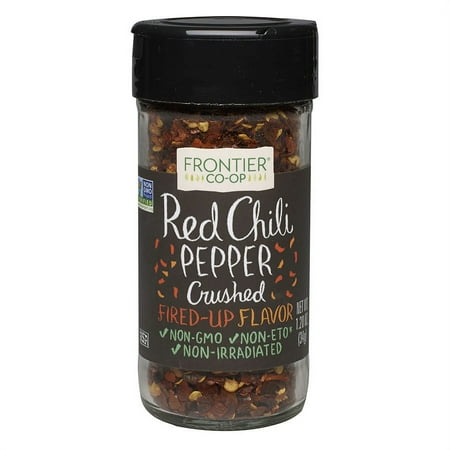
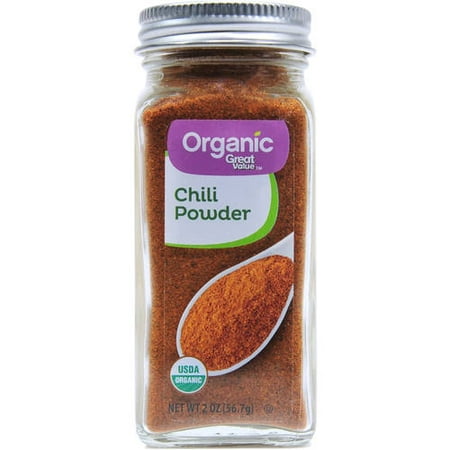
Chili PeppersGood
Chili peppers are rich in capsaicin, which may have anti-inflammatory and metabolism-boosting properties. They add flavor and heat to foods. Capsaicin is also studied for its potential pain-relief benefits.
Risks
May cause digestive discomfort in sensitive individuals.
Benefits
Contains capsaicin, which may support metabolism and provide anti-inflammatory benefits.
Dried GarlicGood
Dried garlic is known for its potential health benefits, including antimicrobial and cardiovascular support. It adds flavor and aroma to foods. Garlic contains allicin, which may have health-promoting properties.
Risks
May cause digestive discomfort in some individuals.
Benefits
Contains allicin, which may support heart health and provide antimicrobial benefits.
Chili SauceNeutral
Chili sauce adds flavor and spice to the product. It typically contains a mix of ingredients like chili peppers, vinegar, and sugar. The nutritional impact depends on the specific formulation and quantity used.
Risks
May contain added sugars and sodium, which can be a concern if consumed in large amounts.
Benefits
Adds flavor and spice, which can enhance the palatability of the product.
WaterNeutral
Water is used as a solvent and to adjust the consistency of the product. It is a neutral ingredient with no direct nutritional impact. It helps in blending and processing other ingredients.
See more about Water →VinegarNeutral
Vinegar is used for flavor and as a preservative. It is a natural product derived from fermentation. It can enhance the taste and shelf life of foods.
Risks
Excessive consumption may lead to digestive discomfort.
Benefits
May aid in digestion and provide a tangy flavor to foods.
Tomato PasteNeutral
Tomato paste is a concentrated source of tomatoes, providing flavor and color. It contains lycopene, an antioxidant with potential health benefits. The processing concentrates nutrients but also removes some fiber.
Benefits
Contains lycopene, an antioxidant that may support heart health.
SaltNeutral
Salt is used to enhance flavor and preserve foods. It is a common culinary ingredient. While necessary for bodily functions, excessive intake can lead to health issues.
Risks
High sodium intake can contribute to hypertension and cardiovascular disease.
Benefits
Essential for maintaining fluid balance and nerve function.
Paprika OleoresinNeutral
Paprika oleoresin is a natural extract used for coloring and flavoring. It is derived from paprika peppers and provides a rich red color. It is considered a natural additive with minimal health concerns.
Benefits
Provides natural color and flavor without synthetic additives.
Stabilizer Xanthan GumNeutral
Xanthan gum is a common food additive used to stabilize and thicken products. It is produced through fermentation of sugars by bacteria. Generally recognized as safe, it is used in small amounts.
Risks
May cause digestive issues in sensitive individuals when consumed in large amounts.
Benefits
Helps improve texture and stability of food products.
Acetic AcidNeutral
Acetic acid is a component of vinegar and is used as a preservative and flavoring agent. It is naturally occurring and contributes to the tangy taste of foods. It is generally recognized as safe in food applications.
Benefits
Provides a tangy flavor and acts as a preservative.
Citric AcidNeutral
Citric acid is a natural acid found in citrus fruits, used as a preservative and flavor enhancer. It is widely used in the food industry for its ability to add acidity and preserve freshness. It is generally recognized as safe.
Risks
May cause tooth enamel erosion if consumed in large quantities.
Benefits
Enhances flavor and preserves freshness in food products.
SugarBad
Refined sugar is associated with negative health impacts such as increased risk of obesity and metabolic disorders. It provides empty calories without nutritional benefits. Excessive consumption can lead to various health issues.
Risks
High intake of refined sugar can contribute to obesity, type 2 diabetes, and heart disease.
Natural FlavourBad
Natural flavors are often used to enhance taste but can be highly processed and lack transparency. They may contain a variety of compounds not disclosed on labels. The term 'natural' does not guarantee health benefits or minimal processing.
Risks
Lack of transparency and potential for containing multiple undisclosed compounds.
Sunflower OilVery Bad
Sunflower oil is a seed oil high in omega-6 fatty acids, which can promote inflammation when consumed in excess. It is often extracted using high heat and chemicals, which can degrade its quality. The high omega-6 content is a concern for balanced fatty acid intake.
Risks
High omega-6 content may promote inflammation when consumed in excess.
Processing
Ultra-Processed Foods
Get the full breakdown in the Scout appTake Scout shopping
Scan any product to see lab results, healthy alternatives, and your personalized analysis.
Download on theApp Store GET IT ONGoogle Play