


At a glance
Summary
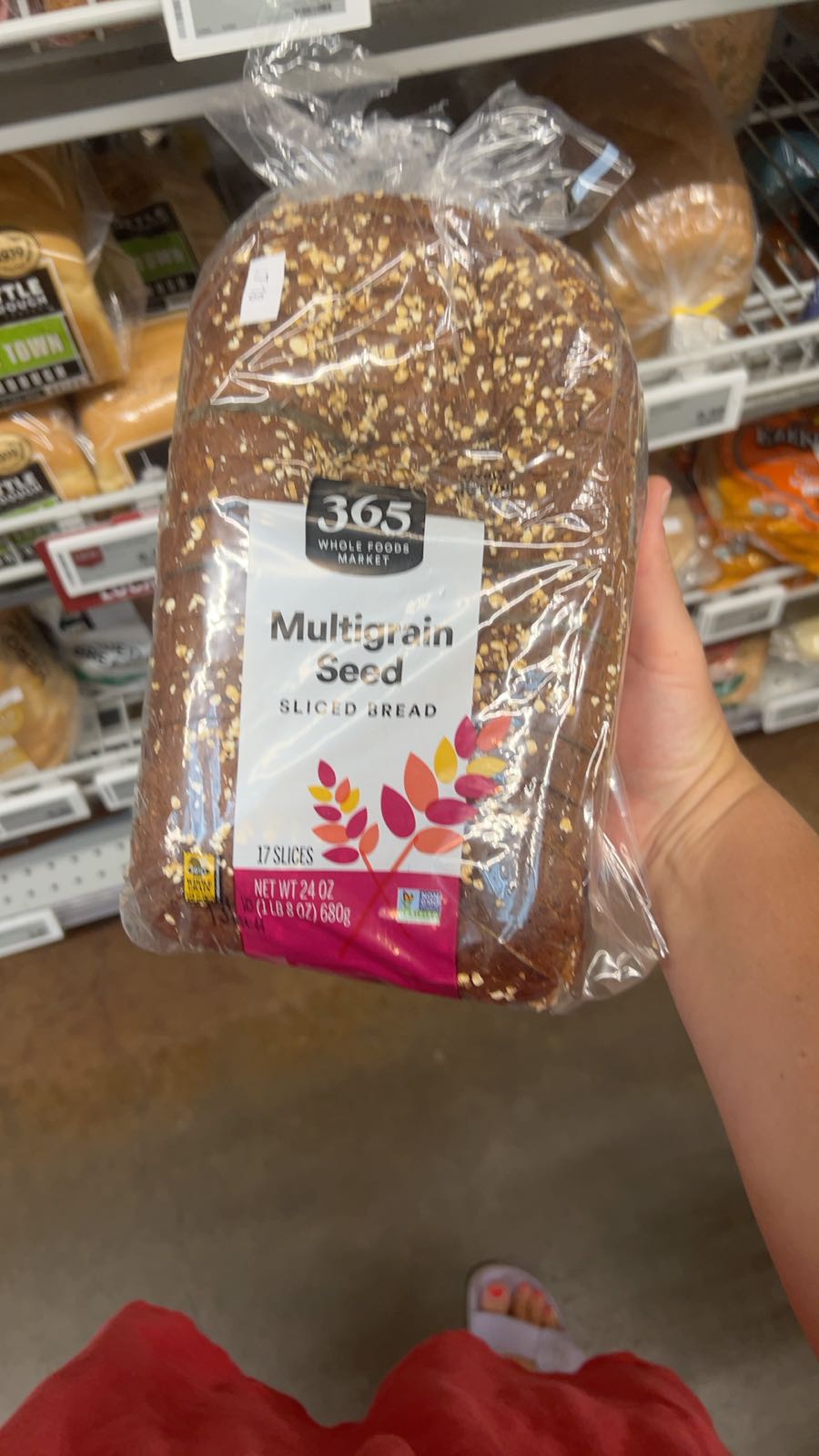
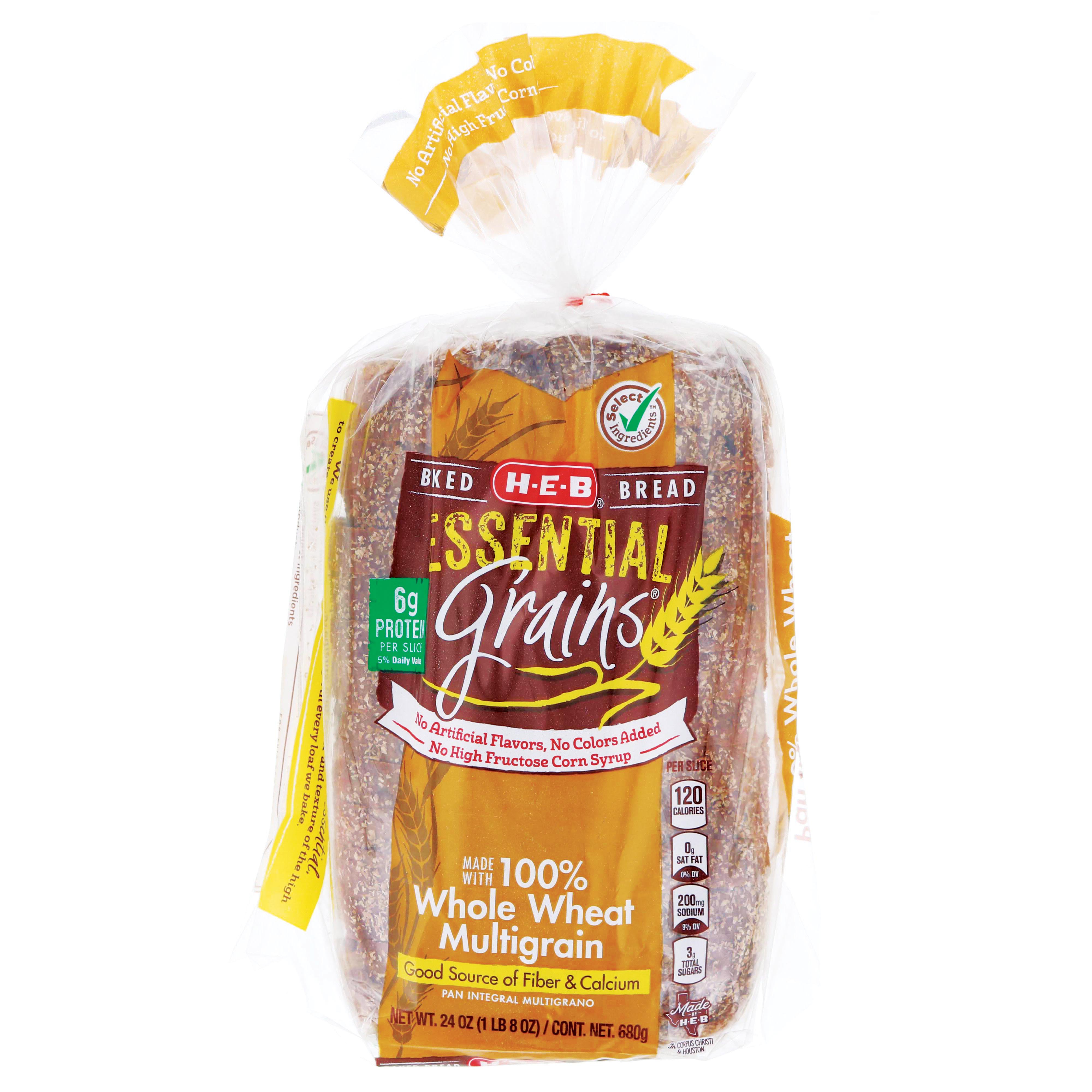
The multigrain loaf contains beneficial ingredients like whole wheat flour and honey, which contribute fiber and natural sweetness. However, the presence of enriched wheat flour and the processed nature of the product limit its score. While it avoids harmful additives and seed oils, the processing level and use of refined flour prevent it from achieving a higher rating.
Key ingredients 10
Whole wheat flourGood
Whole wheat flour is a whole grain ingredient that retains all parts of the grain, providing fiber and essential nutrients. It supports digestive health and provides a more sustained energy release compared to refined flours. The presence of bran and germ enhances its nutritional profile.
Risks
May cause digestive discomfort in individuals with wheat sensitivities.
Benefits
Rich in dietary fiber, vitamins, and minerals, supporting heart health and digestion.
HoneyGood
Honey is a natural sweetener with antioxidant properties and trace nutrients. It provides a more natural alternative to refined sugars and can offer some health benefits when consumed in moderation. Its natural sugars are absorbed more slowly than refined sugars.
Risks
High sugar content can contribute to increased blood sugar levels if consumed in excess.
Benefits
Contains antioxidants and trace nutrients, offering a natural sweetness with potential health benefits.
NiacinGood
Beneficial ingredient — whole-food or functional value in this product class.
Risks
Excessive intake can lead to flushing and other side effects.
Benefits
Supports energy metabolism and skin health.
RiboflavinGood
Essential B vitamin — beneficial micronutrient.
Benefits
Supports energy production and maintains healthy skin and eyes.
WaterNeutral
Water is a fundamental ingredient used in baking to hydrate flour and activate yeast. It is essential for the dough formation and texture of the bread. Water itself does not provide nutritional benefits but is crucial for the baking process.
See more about Water →Malted barley flourNeutral
Malted barley flour is used to enhance flavor and improve the texture of baked goods. It contains enzymes that help break down starches into sugars, aiding in fermentation. While it contributes to the bread's flavor, it does not significantly impact nutritional value.
Benefits
Enhances flavor and texture of the bread, aiding in fermentation.
Reduced ironNeutral
Reduced iron is added to enriched flours to prevent iron deficiency anemia. It is an essential mineral for oxygen transport in the blood. While beneficial, it is important to balance intake to avoid excessive iron levels.
Risks
Excessive iron intake can lead to toxicity and health issues.
Benefits
Prevents iron deficiency anemia and supports oxygen transport in the body.
Thiamine mononitrateNeutral
Thiamine mononitrate is a form of vitamin B1 added to enriched flours to replace nutrients lost during processing. It is essential for energy metabolism and nerve function. While beneficial, it is typically consumed in adequate amounts through a balanced diet.
Benefits
Supports energy metabolism and nerve function.
Folic acidNeutral
Folic acid is a synthetic form of vitamin B9 added to enriched flours to prevent neural tube defects. It is crucial for DNA synthesis and cell division. While beneficial, excessive intake can mask vitamin B12 deficiency.
Risks
Excessive intake can mask vitamin B12 deficiency.
Benefits
Prevents neural tube defects and supports DNA synthesis.
Unbleached enriched wheat flourBad
Processed additive flagged under Scout's ingredient doctrine.
Risks
May contribute to high blood sugar levels due to its refined nature.
Benefits
Enrichment adds essential vitamins and minerals, supporting overall nutrient intake.
Processing
Processed Foods
Get the full breakdown in the Scout appTake Scout shopping
Scan any product to see lab results, healthy alternatives, and your personalized analysis.
Download on theApp Store GET IT ONGoogle Play