
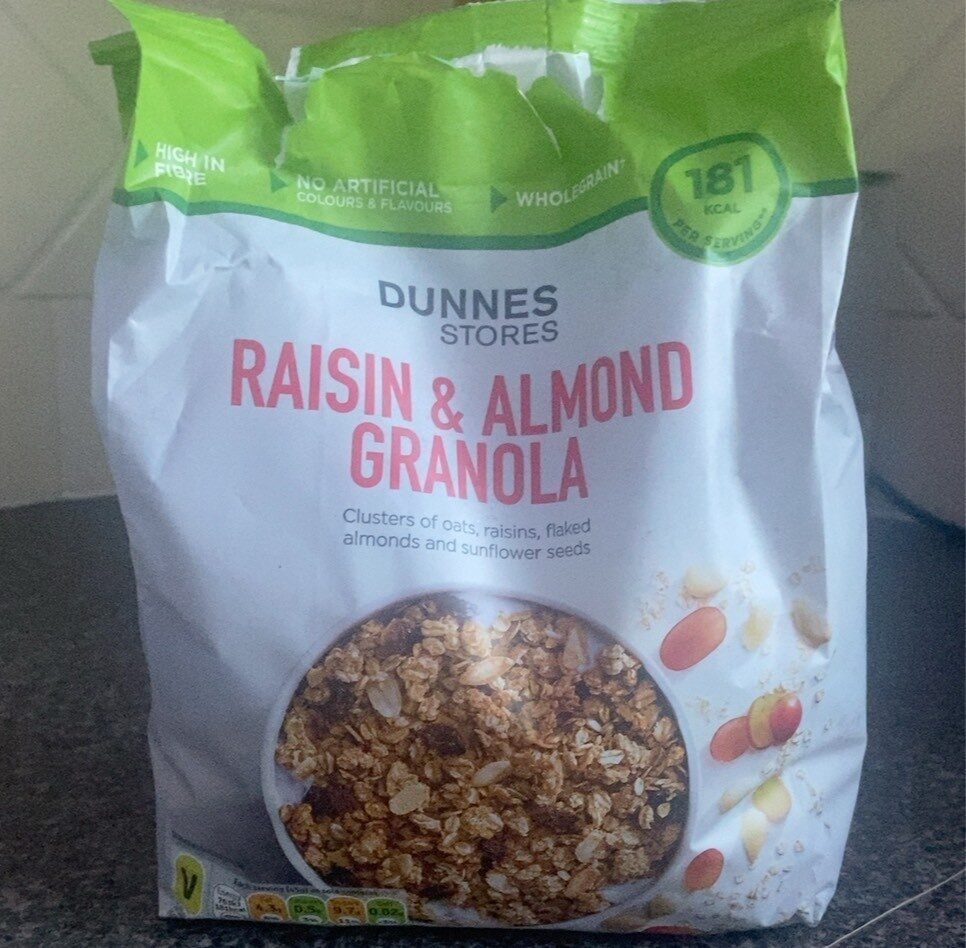
Organic granola coconut almond
Summary
This granola contains several beneficial ingredients like organic rolled oats, barley flakes, and almonds, which provide fiber and nutrients. However, it is penalized for the presence of seed oils such as sunflower and canola oil, which are high in omega-6 fatty acids and can promote inflammation. Additionally, the product includes multiple sources of added sugars, impacting its overall healthiness and contributing to its processed nature.
At a glance
Key ingredients 15
Organic Rolled OatsGood
Organic rolled oats are a whole grain that provides dietary fiber and essential nutrients. They are minimally processed, retaining their natural nutritional profile. Being organic, they are free from synthetic pesticides and fertilizers.
Benefits
Rich in fiber, which supports digestive health and may help lower cholesterol levels.
Organic Cane SugarBad
Organic cane sugar is a refined sugar that contributes to added sugars in the diet. Despite being organic, it still impacts blood sugar levels and can contribute to metabolic issues. It lacks the nutritional benefits found in whole food sweeteners.
Risks
High consumption of added sugars can lead to obesity, type 2 diabetes, and heart disease.
Organic Barley FlakesGood
Organic barley flakes are a whole grain that provides fiber and essential nutrients. They are minimally processed, preserving their natural health benefits. Being organic, they are grown without synthetic chemicals.
Benefits
High in fiber, which aids in digestion and may help regulate blood sugar levels.
Organic Expeller Pressed Sunflower OilVery Bad
Sunflower oil is a seed oil high in omega-6 fatty acids, which can promote inflammation if consumed in excess. The expeller-pressed method is a mechanical extraction process, but it does not mitigate the high omega-6 content. Despite being organic, it is still considered a less healthy fat option.
Risks
High omega-6 content may promote inflammation when consumed in excess.
Organic RaisinsGood
Organic raisins are dried grapes that provide natural sugars and antioxidants. They are minimally processed and retain most of their nutritional value. Being organic, they are free from synthetic pesticides.
Benefits
Rich in natural sugars and antioxidants, which can support overall health.
Organic Whole Grain OatsGood
Organic whole grain oats are a nutritious whole grain that provides fiber and essential nutrients. They are minimally processed, maintaining their natural health benefits. Being organic, they are grown without synthetic chemicals.
Benefits
High in fiber, which supports heart health and aids in digestion.
Organic Canola OilVery Bad
Canola oil is a seed oil high in omega-6 fatty acids, which can promote inflammation if consumed in excess. Despite being organic, it is still considered a less healthy fat option due to its fatty acid profile. The processing of canola oil often involves refining, which can strip beneficial nutrients.
Risks
High omega-6 content may promote inflammation when consumed in excess.
Organic Brown Rice SyrupBad
Organic brown rice syrup is a sweetener that contributes to added sugars in the diet. It is a refined product that lacks the nutritional benefits of whole grains. Despite being organic, it still impacts blood sugar levels.
Risks
High consumption of added sugars can lead to obesity, type 2 diabetes, and heart disease.
Organic CoconutGood
Organic coconut provides healthy fats and dietary fiber. It is minimally processed, retaining its natural nutritional profile. Being organic, it is free from synthetic pesticides and fertilizers.
Benefits
Rich in medium-chain triglycerides (MCTs) that may support energy metabolism and weight management.
Organic AlmondsGood
Organic almonds are a nutrient-dense nut providing healthy fats, protein, and fiber. They are minimally processed, preserving their natural health benefits. Being organic, they are grown without synthetic chemicals.
Benefits
Rich in monounsaturated fats and vitamin E, which support heart health and provide antioxidant benefits.
Organic Milled Cane SugarBad
Organic milled cane sugar is a refined sugar that contributes to added sugars in the diet. Despite being organic, it still impacts blood sugar levels and can contribute to metabolic issues. It lacks the nutritional benefits found in whole food sweeteners.
Risks
High consumption of added sugars can lead to obesity, type 2 diabetes, and heart disease.
Organic MolassesNeutral
Organic molasses is a byproduct of sugar refining that retains some minerals and antioxidants. It is less refined than white sugar, providing a small amount of nutrients. Being organic, it is free from synthetic chemicals.
Benefits
Contains small amounts of minerals like iron and calcium.
HoneyNeutral
Honey is a natural sweetener that provides some antioxidants and trace nutrients. It is less processed than refined sugars, retaining some beneficial compounds. However, it still contributes to added sugars in the diet.
Risks
Excessive consumption can lead to increased blood sugar levels and weight gain.
Benefits
Contains antioxidants and trace nutrients that may offer health benefits.
SaltNeutral
Salt is a common seasoning that provides sodium, an essential mineral. It is minimally processed but does not offer additional health benefits beyond sodium content. Excessive intake can lead to health issues.
Risks
High sodium intake can contribute to hypertension and cardiovascular disease.
Benefits
Provides essential sodium needed for various bodily functions.
Herb BlendNeutral
The herb blend includes sugar, cardamom, and fennel, which add flavor and aroma. These ingredients are minimally processed and provide some antioxidants. The blend is primarily for flavor enhancement.
Benefits
May provide antioxidants and enhance the flavor profile of the product.
Processing
Processed Foods
Get the full breakdown in the Scout app
Scan any product to see lab results, healthy alternatives, and your personalized analysis.
Download on theApp Store