


At a glance
Summary
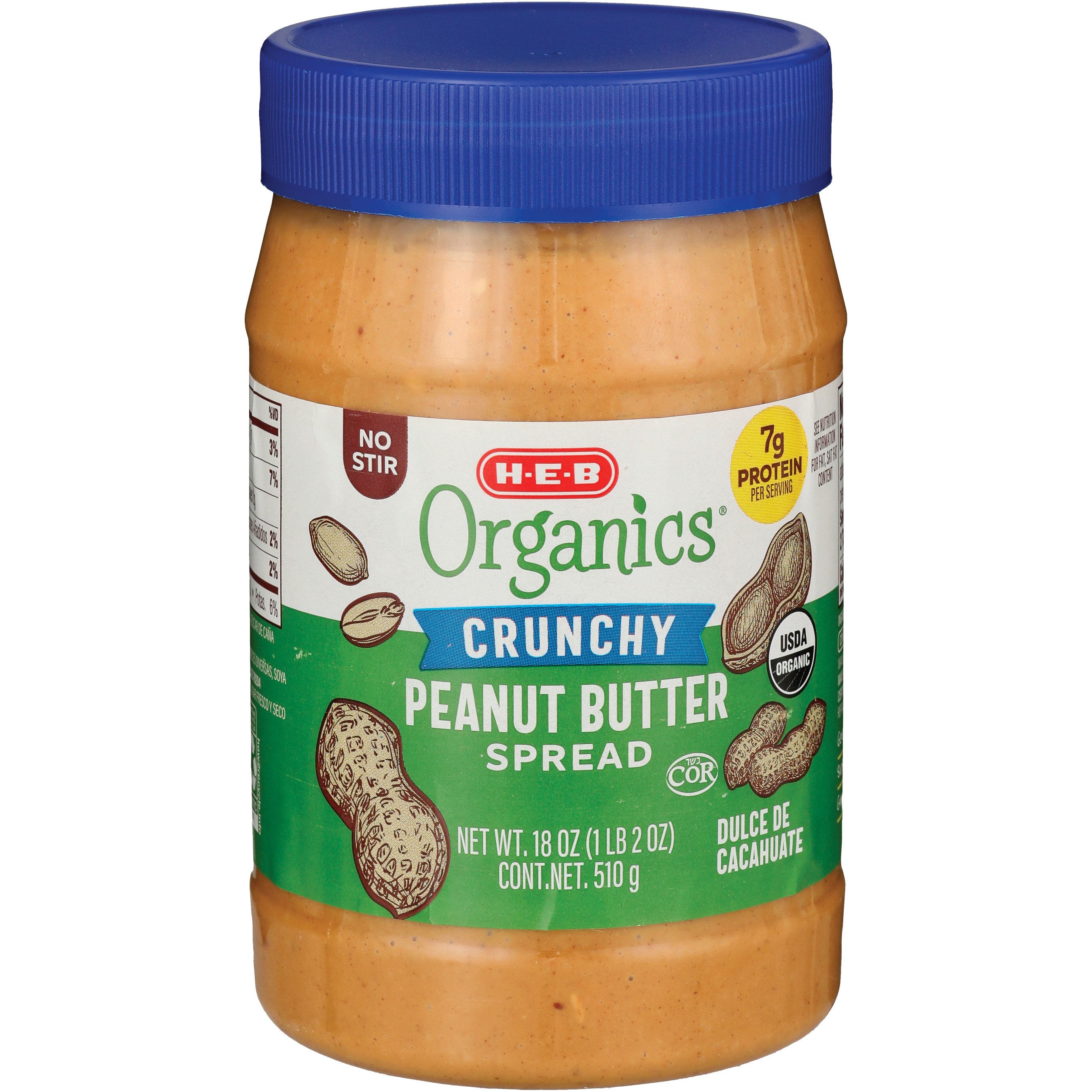
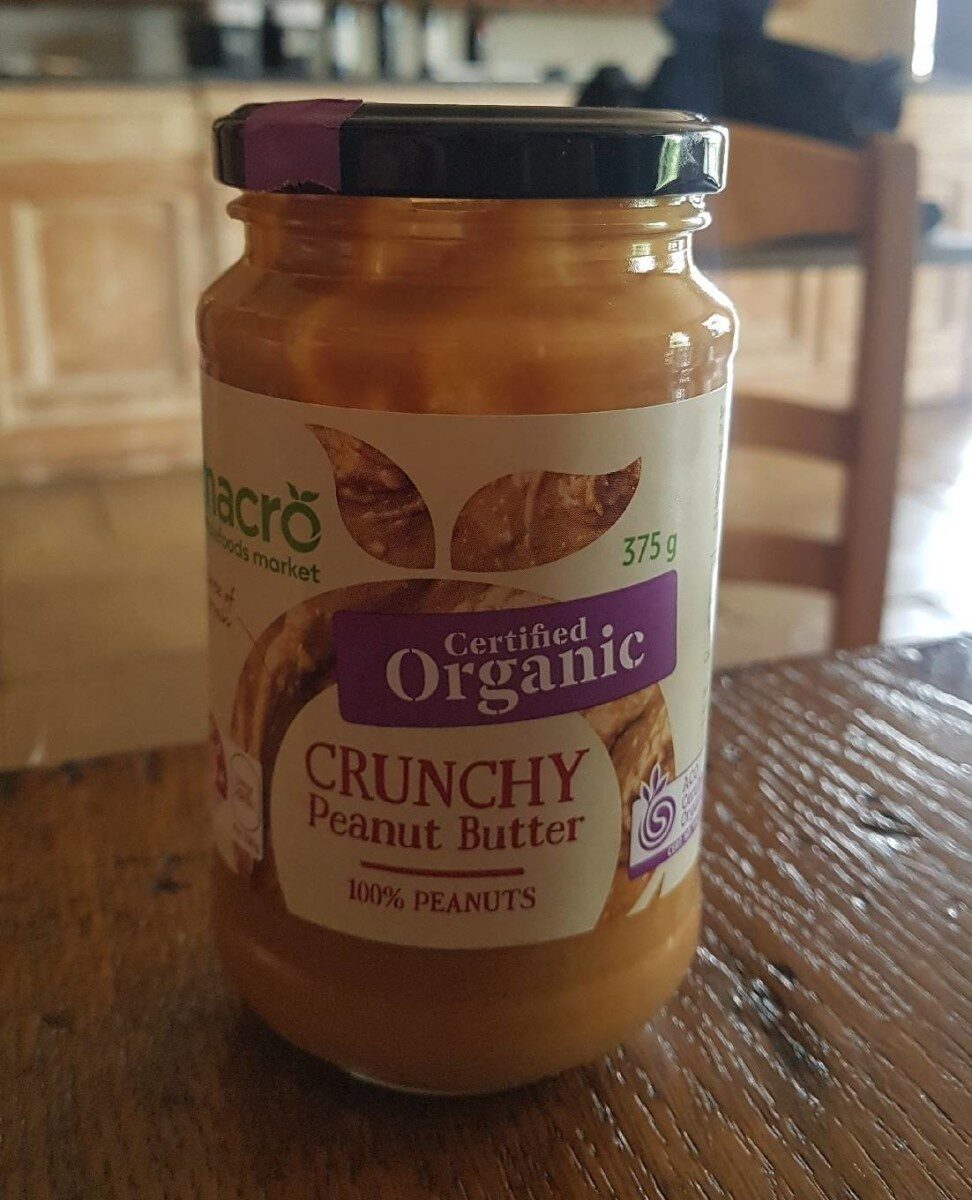
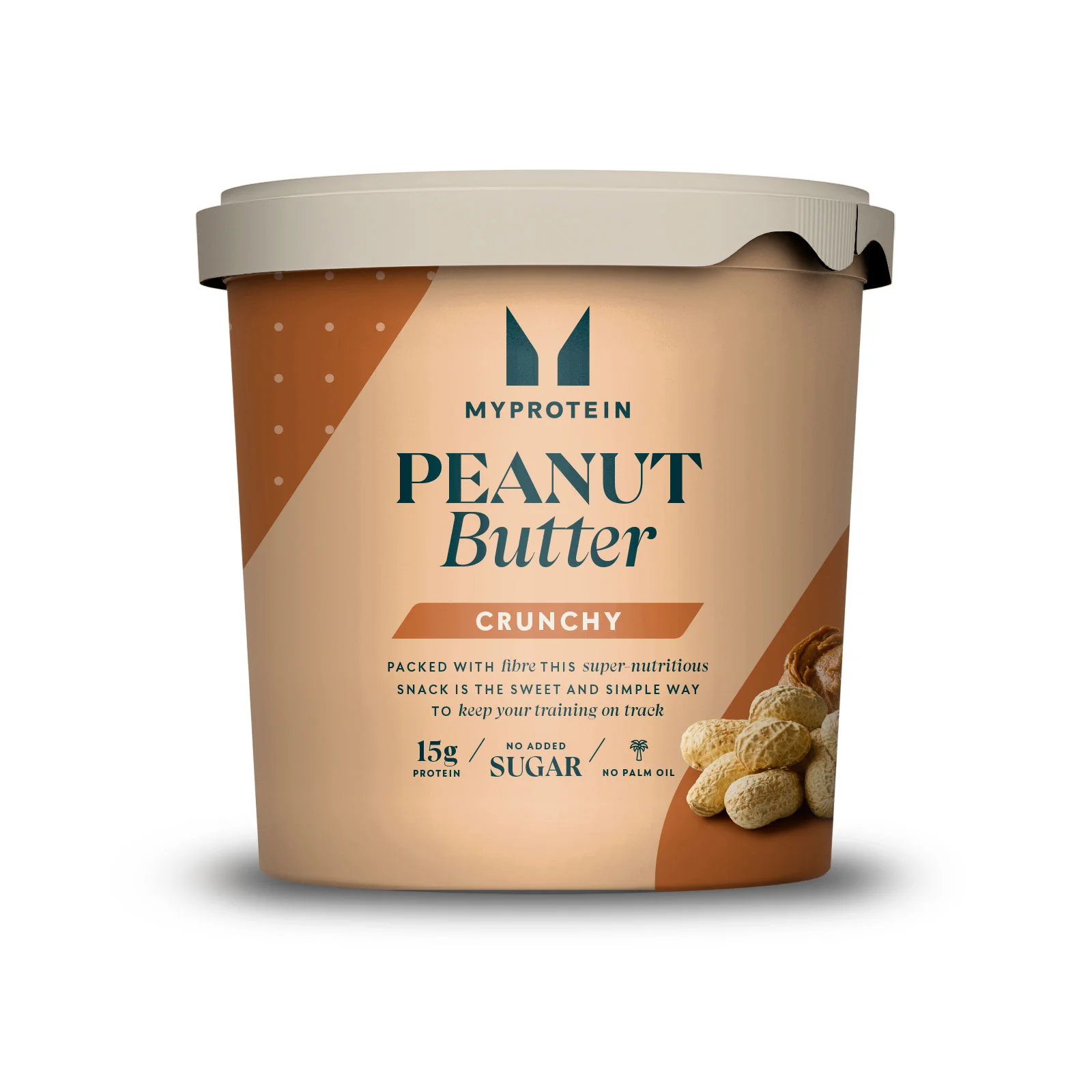
This crunchy peanut butter contains organic peanuts and sea salt, which are beneficial ingredients providing healthy fats and essential nutrients. However, it also includes organic cane sugar, which, despite being organic, is a refined sugar that can impact blood sugar levels and contribute to health issues like obesity. The product is moderately processed, which limits its score potential despite the use of organic ingredients.
Key ingredients 4
Organic peanutsGood
Organic peanuts are a good source of protein and healthy fats. Being organic, they are grown without synthetic pesticides or fertilizers, reducing potential exposure to harmful chemicals. They also provide essential nutrients like magnesium and vitamin E.
Risks
Peanuts can be a common allergen and may cause severe allergic reactions in sensitive individuals.
Benefits
Rich in protein and healthy fats, which are beneficial for heart health and muscle maintenance. They also contain antioxidants that may help reduce inflammation.
Sea saltGood
Sea salt is a natural source of sodium and trace minerals. It is minimally processed, retaining more minerals compared to refined table salt. It enhances flavor without the need for artificial additives.
Risks
Excessive sodium intake can lead to high blood pressure and cardiovascular issues.
Benefits
Contains trace minerals that can support electrolyte balance and overall health.
Organic palm stearinNeutral
Organic palm stearin is a fraction of palm oil used to improve texture and stability. Being organic, it is produced without harmful pesticides, but it is still a saturated fat. It is less processed than hydrogenated oils, but sustainability concerns exist regarding palm oil production.
Risks
High in saturated fats, which can contribute to heart disease if consumed in excess. Environmental concerns due to deforestation associated with palm oil production.
Benefits
Provides a stable fat source that helps maintain product consistency without hydrogenation.
Organic cane sugarBad
Organic cane sugar is a refined sugar that contributes to sweetness but offers little nutritional value. Despite being organic, it still impacts blood sugar levels and can contribute to obesity and dental issues. It is less processed than conventional white sugar but still lacks significant health benefits.
Risks
Excessive consumption can lead to weight gain, increased risk of type 2 diabetes, and dental cavities.
Benefits
Provides energy and sweetness, enhancing the flavor profile of the product.
Processing
Processed Foods
Get the full breakdown in the Scout appTake Scout shopping
Scan any product to see lab results, healthy alternatives, and your personalized analysis.
Download on theApp Store GET IT ONGoogle Play