


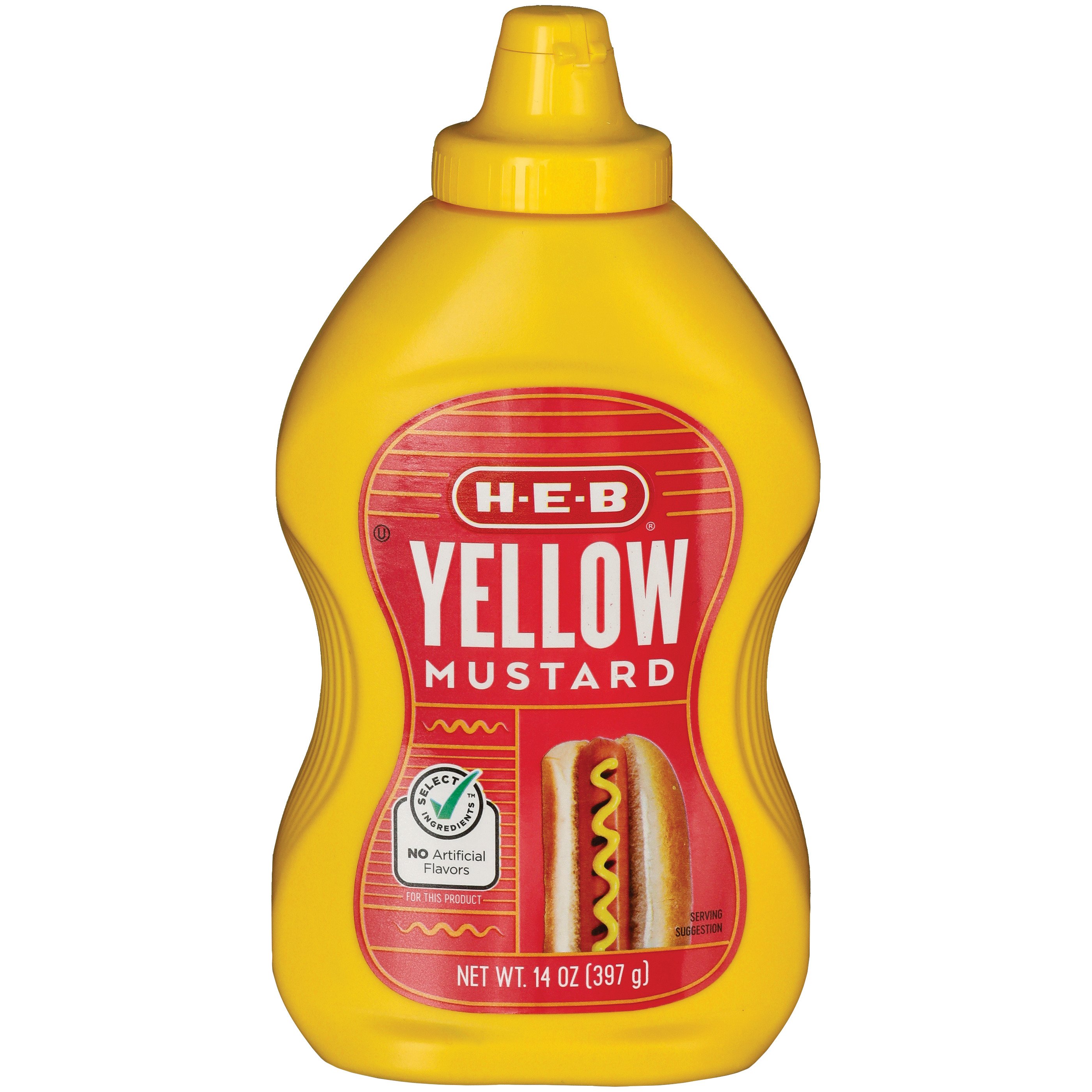
At a glance
Summary
This yellow mustard is made from simple, recognizable ingredients such as distilled vinegar, mustard seed, turmeric, and spices, which are minimally processed and retain their natural benefits. The absence of artificial additives, seed oils, or high-fructose corn syrup contributes positively to its health profile. Despite being a processed food, the clean ingredient list allows it to achieve a high score within its category.
Key ingredients 7
Mustard SeedGood
Mustard seed is a natural ingredient that provides flavor and potential health benefits. It contains compounds like glucosinolates, which may have anti-inflammatory properties. The seeds are minimally processed, retaining their nutritional value.
Risks
May cause allergic reactions in sensitive individuals.
Benefits
Rich in antioxidants and may support digestive health.
TurmericGood
Turmeric is a spice known for its anti-inflammatory and antioxidant properties. It contains curcumin, which has been studied for its potential health benefits. The spice is minimally processed, preserving its beneficial compounds.
Benefits
May reduce inflammation and support joint health.
PaprikaGood
Beneficial ingredient — whole-food or functional value in this product class.
Benefits
Contains antioxidants that may support overall health.
SpicesGood
Whole-food seasonings, antioxidant-bearing.
Risks
Potential for allergic reactions depending on the specific spices included.
Benefits
May provide flavor and some antioxidant properties depending on the spices used.
Distilled VinegarNeutral
Distilled vinegar is a common acidic ingredient used for flavor and preservation. It is produced through the fermentation of ethanol by acetic acid bacteria. While it adds tanginess, it does not provide significant nutritional benefits.
See more about Distilled Vinegar →WaterNeutral
Water is used as a solvent and to adjust the consistency of the product. It is essential for hydration but does not contribute additional nutrients in this context. Its presence is necessary for the product's texture and usability.
See more about Water →SaltNeutral
Salt is used for flavor enhancement and preservation. It is a refined ingredient that provides sodium, essential for various bodily functions. However, excessive intake can lead to health issues such as hypertension.
Risks
High sodium intake may contribute to hypertension and cardiovascular issues.
Benefits
Provides essential sodium for nerve and muscle function.
Processing
Processed Foods
Get the full breakdown in the Scout appTake Scout shopping
Scan any product to see lab results, healthy alternatives, and your personalized analysis.
Download on theApp Store GET IT ONGoogle Play