



At a glance
Summary
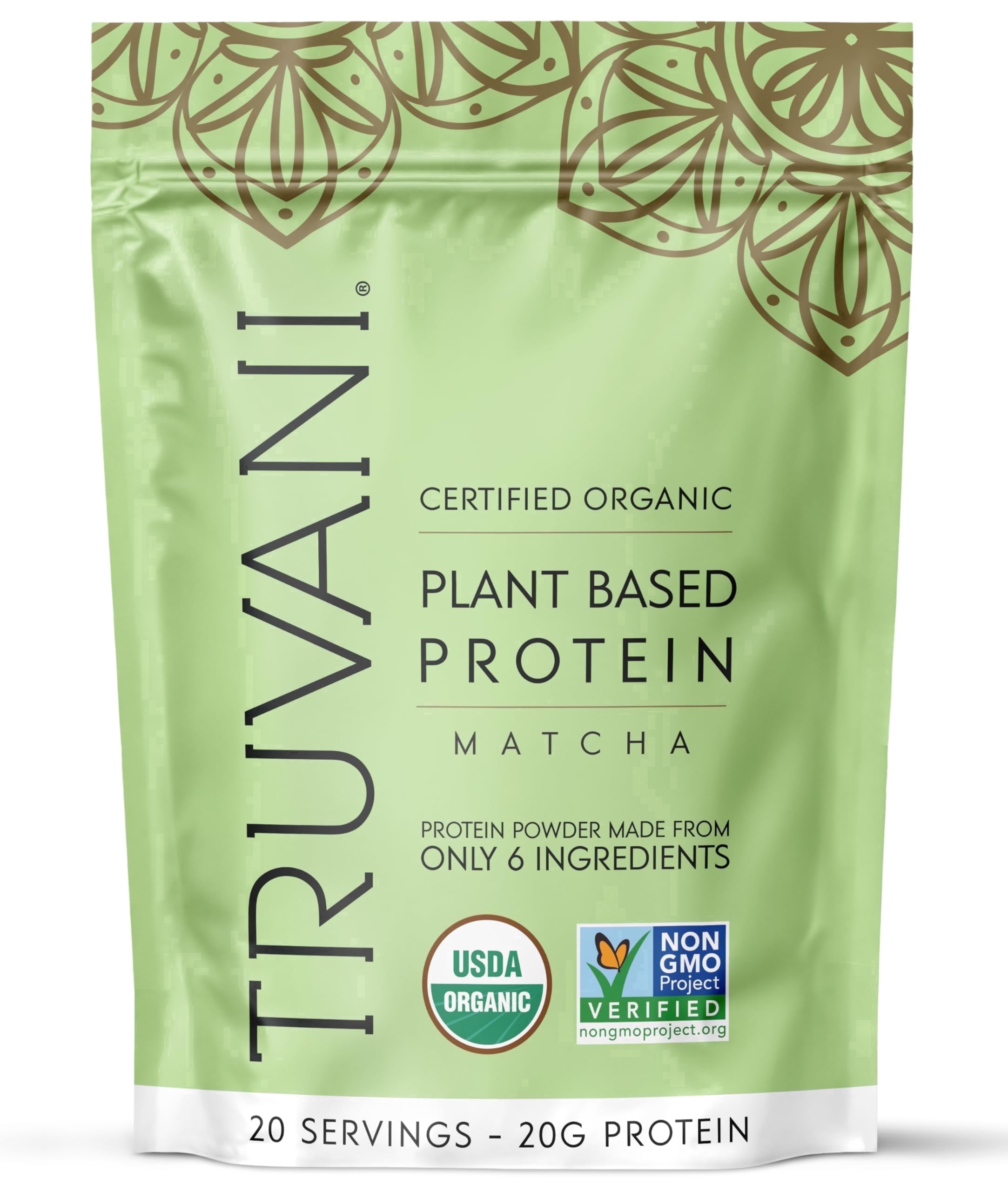
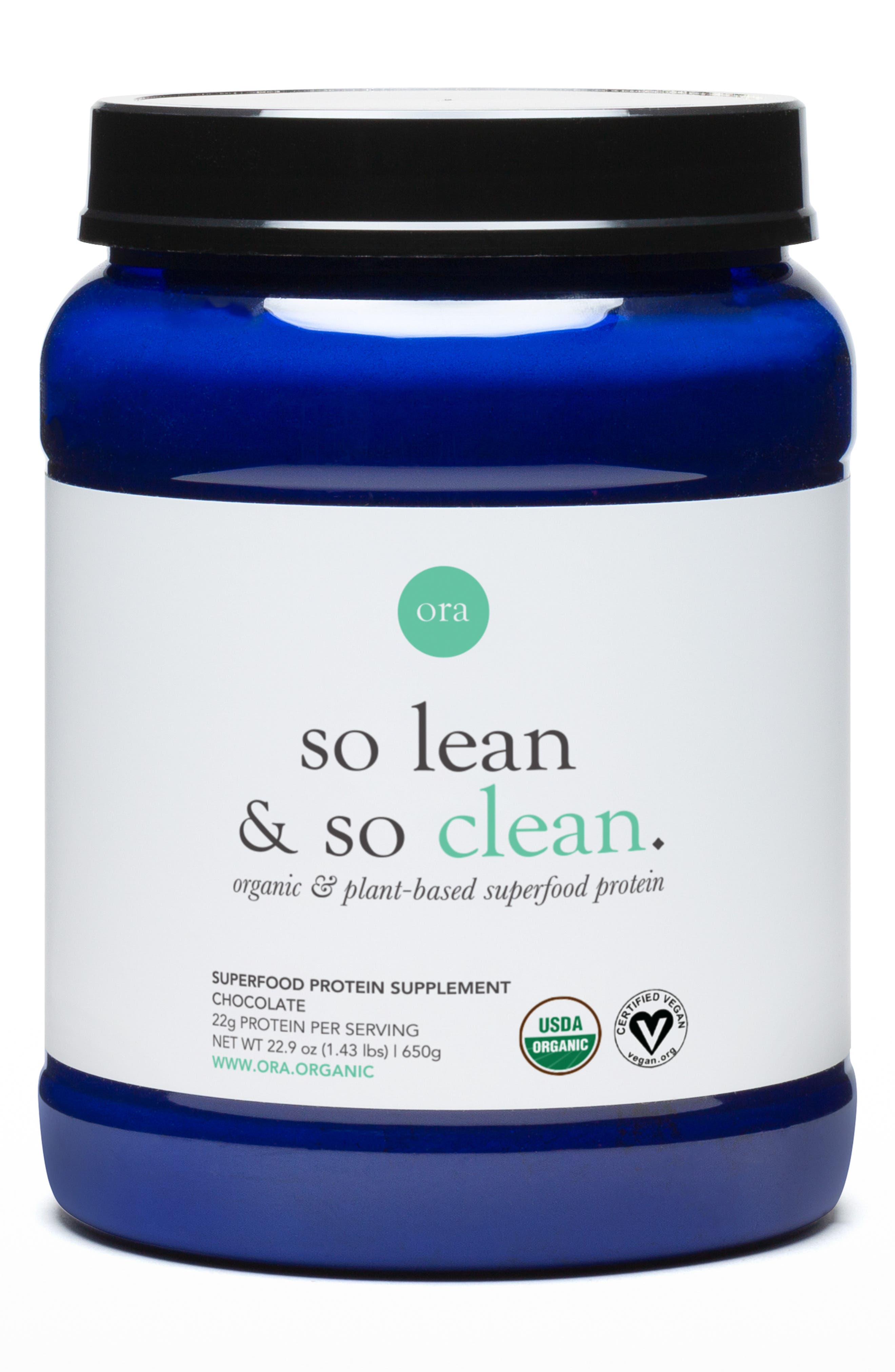
This plant-based protein powder includes beneficial ingredients like pea protein, spinach powder, and organic kale powder, which contribute to its nutritional profile. However, the presence of maltodextrin as a filler and high oleic sunflower oil, a processed seed oil, detracts from its overall quality. Additionally, the use of natural flavors without transparency adds to the processing concerns, impacting the score.
Key ingredients 14
Spinach PowderGood
Spinach powder is a concentrated source of nutrients, including vitamins and minerals. It retains many of the health benefits of fresh spinach, such as antioxidants and iron. It enhances the nutritional profile of the product.
Benefits
Rich in vitamins A, C, and K, and provides antioxidants that support overall health.
Organic Kale PowderGood
Organic kale powder is a nutrient-dense ingredient rich in vitamins, minerals, and antioxidants. It retains many of the health benefits of fresh kale, such as supporting immune function and detoxification. The organic certification indicates a higher quality and fewer pesticide residues.
Benefits
High in vitamins A, C, and K, and provides antioxidants that support overall health.
Brown Rice Protein ConcentrateGood
Brown rice protein concentrate is a plant-based protein source that is hypoallergenic and easily digestible. It provides a good amino acid profile and is suitable for those avoiding animal proteins. It is a clean protein source with minimal processing.
Benefits
Provides essential amino acids and supports muscle growth and repair.
Pea ProteinNeutral
Standard formulation ingredient — neither beneficial nor harmful at typical use.
Benefits
Rich in essential amino acids and supports muscle growth and repair.
Pea StarchNeutral
Pea starch is used as a thickening agent and has a neutral impact on health. It is derived from peas and is generally considered safe. It does not contribute significantly to the nutritional profile of the product.
See more about Pea Starch →Acacia GumNeutral
Acacia gum is a natural gum used as a stabilizer and thickener. It is derived from the sap of the acacia tree and is generally recognized as safe. It does not provide significant nutritional benefits.
Risks
Excessive consumption may cause digestive discomfort in some individuals.
Benefits
May aid in digestive health by acting as a prebiotic fiber.
Coconut Oil PowderNeutral
Coconut oil powder is a source of medium-chain triglycerides (MCTs) and is used for its creamy texture. It is derived from coconut oil and is generally considered safe. It does not significantly impact the overall health profile of the product.
Risks
High in saturated fats, which may be a concern for heart health if consumed in excess.
Benefits
Provides MCTs that may support energy metabolism and cognitive function.
Stevia Leaf ExtractNeutral
Stevia leaf extract is a natural, zero-calorie sweetener derived from the stevia plant. It is considered safe and does not significantly impact blood sugar levels. It is a preferable alternative to artificial sweeteners.
Benefits
Provides sweetness without calories, making it suitable for weight management.
Guar GumNeutral
Guar gum is a natural thickening agent derived from guar beans. It is used to improve texture and stability in food products. It is generally recognized as safe but does not contribute significantly to nutrition.
Risks
Excessive consumption may cause digestive issues such as gas or bloating.
Benefits
May aid in digestive health by acting as a soluble fiber.
XanthanNeutral
Xanthan gum is a polysaccharide used as a thickening and stabilizing agent. It is produced through fermentation and is widely used in food products. It does not provide significant nutritional benefits.
Risks
May cause digestive discomfort in some individuals when consumed in large amounts.
Gum ArabicNeutral
Gum arabic is a natural gum used as a stabilizer and emulsifier. It is derived from the sap of acacia trees and is generally recognized as safe. It does not provide significant nutritional benefits.
Benefits
May aid in digestive health by acting as a prebiotic fiber.
Natural FlavorsBad
Natural flavors are a catch-all term for flavoring agents derived from natural sources. They lack transparency and can include a wide range of substances. The lack of specificity makes it difficult to assess their health impact.
Risks
Potential for undisclosed allergens or additives that may cause reactions in sensitive individuals.
MaltodextrinBad
Maltodextrin is a highly processed carbohydrate used as a filler and thickener. It has a high glycemic index and can cause rapid spikes in blood sugar levels. It is often used in processed foods and lacks nutritional value.
Risks
May contribute to blood sugar spikes and is not suitable for individuals with diabetes.
High Oleic Sunflower OilVery Bad
High oleic sunflower oil is a seed oil high in monounsaturated fats but still considered a seed oil. It is highly processed and may contribute to an imbalance of omega-6 fatty acids in the diet. Seed oils are generally discouraged due to their processing methods and potential health concerns.
Risks
High omega-6 content may promote inflammation when consumed in excess.
Processing
Processed Foods
Get the full breakdown in the Scout appTake Scout shopping
Scan any product to see lab results, healthy alternatives, and your personalized analysis.
Download on theApp Store GET IT ONGoogle Play