



At a glance
Summary
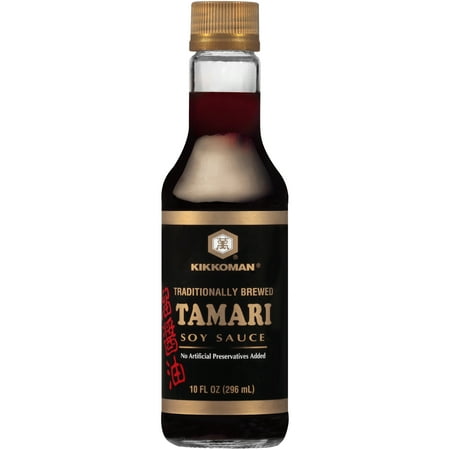
This tamari soy sauce is ultra-processed, which limits its potential score. While it contains simple ingredients like water, soybeans, and salt, the presence of glucose, a refined carbohydrate, contributes to its processing level. The use of alcohol as a preservative also indicates a higher level of processing, impacting its overall healthiness.
Key ingredients 6
WaterNeutral
Water is a neutral ingredient used as a solvent and carrier in food products. It does not contribute any nutritional value or health risks. Its presence is essential for the consistency and texture of the sauce.
See more about Water →SoybeansNeutral
Soybeans are a source of protein and essential amino acids. In fermented products like tamari, they contribute to the umami flavor. However, they may cause allergic reactions in sensitive individuals.
Risks
Soybeans can be allergenic and may cause reactions in susceptible individuals.
Benefits
They provide protein and essential amino acids, contributing to the nutritional profile of the sauce.
SaltNeutral
Salt is used for flavor enhancement and preservation in foods. It is a common ingredient in condiments but contributes to high sodium content. Excessive intake can lead to health issues like hypertension.
Risks
High sodium intake is associated with increased risk of hypertension and cardiovascular diseases.
Benefits
Salt enhances flavor and acts as a preservative in food products.
WheatNeutral
Wheat is used in the fermentation process of tamari, contributing to its flavor profile. It is a common allergen and may not be suitable for those with gluten intolerance. Its role is primarily functional in fermentation.
Risks
Wheat can cause allergic reactions and is unsuitable for individuals with gluten intolerance or celiac disease.
AlcoholNeutral
Alcohol is used as a preservative to maintain freshness in food products. It is present in small amounts and does not significantly impact health. Its primary function is to extend shelf life.
See more about Alcohol →GlucoseBad
Glucose is a simple sugar used to enhance flavor and balance the taste profile. It can contribute to increased blood sugar levels and is considered a refined carbohydrate. Excessive consumption may lead to metabolic issues.
Risks
High intake of glucose can lead to elevated blood sugar levels and contribute to metabolic disorders.
Processing
Ultra-Processed Foods
Get the full breakdown in the Scout appTake Scout shopping
Scan any product to see lab results, healthy alternatives, and your personalized analysis.
Download on theApp Store GET IT ONGoogle Play