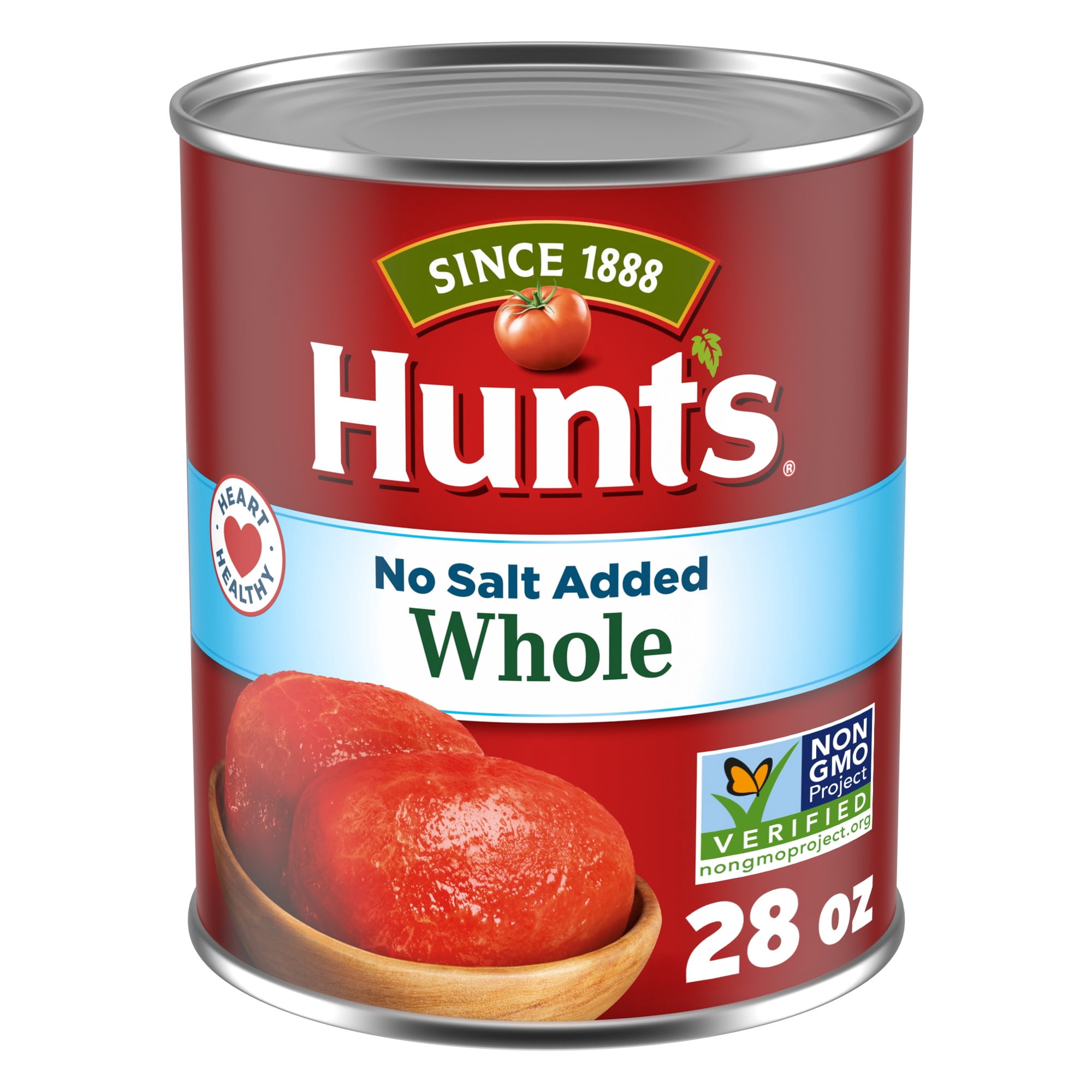
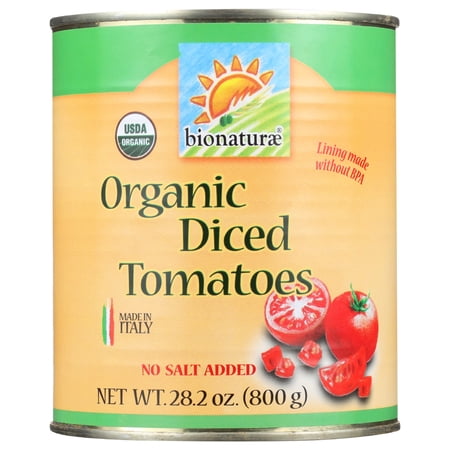
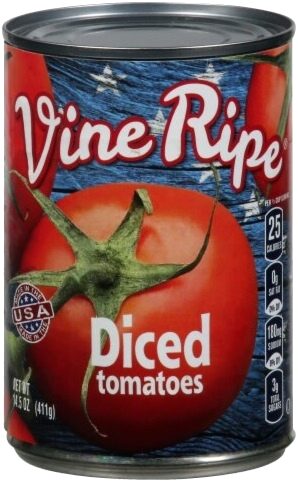
DICED TOMATOES
At a glance
Summary
Canned diced tomatoes are a minimally processed whole food, with tomatoes and tomato juice forming the entire nutritional base. The only additives are salt, calcium chloride, and citric acid—used for texture and preservation—which are safe and minor in a short, clean ingredient list. No seed oils, artificial dyes, sweeteners, or sugar are present, making this an excellent choice nutritionally.
Key ingredients 5
TomatoesVery Good
Tomatoes are a whole, minimally processed vegetable rich in vitamin C, potassium, and the antioxidant lycopene. Diced and canned tomatoes retain most of their nutritional value, and lycopene bioavailability can actually increase slightly through the canning process. This is the primary ingredient and forms the nutritional backbone of the product.
Benefits
Excellent source of lycopene, vitamin C, and potassium, which support heart health and antioxidant defense. Low calorie and nutrient-dense whole food.
Tomato JuiceGood
Tomato juice is used here as a natural packing liquid derived directly from tomatoes, helping preserve the diced tomato texture and flavor. It contributes additional vitamins and lycopene without introducing artificial ingredients or added sugars. This is a whole-food derived component rather than a processed additive.
Risks
Contributes slightly to the sodium and sugar content but not significantly at typical serving sizes.
Benefits
Adds extra lycopene and vitamin C while keeping the product free of artificial preservatives or thickeners.
SaltNeutral
Plain salt is used in small amounts (less than 2% of total ingredients) primarily for flavor enhancement and mild preservation. It is a refined table salt without the trace mineral content of unrefined sea salts, so it is classified as neutral rather than beneficial. The overall sodium contribution per serving is modest at 0.149g per 100g.
Risks
Excessive sodium intake over time can contribute to elevated blood pressure in sensitive individuals, though the amount here is low.
Benefits
Provides essential sodium for basic bodily functions and enhances the natural flavor of the tomatoes.
Calcium ChlorideNeutral
Calcium chloride is a firming agent commonly used in canned vegetables to help diced tomatoes maintain their shape and texture during processing. It is generally recognized as safe and is used in very small quantities. It does not provide significant nutritional benefit but also poses minimal health concern at typical consumption levels.
Risks
High doses could cause gastrointestinal irritation, but amounts used in food processing are far below any concerning threshold.
Benefits
Helps maintain the firmness and texture of diced tomatoes, and provides a small amount of dietary calcium.
Citric AcidNeutral
Citric acid is a naturally occurring acid often derived from fermentation of sugars by Aspergillus niger mold, used here as an acidity regulator and preservative to maintain product safety and flavor consistency. It is widely used in canned foods and considered safe at typical levels. This additive corresponds to E330 as noted in the additive list.
Risks
May cause mild irritation in individuals with acid sensitivity or certain digestive conditions, though this is uncommon.
Benefits
Helps preserve freshness and maintain proper pH balance, supporting food safety without the need for artificial preservatives.
Processing
Processed Foods
Get the full breakdown in the Scout appTake Scout shopping
Scan any product to see lab results, healthy alternatives, and your personalized analysis.
Are you p? Fix an error Get the badge Get tested