
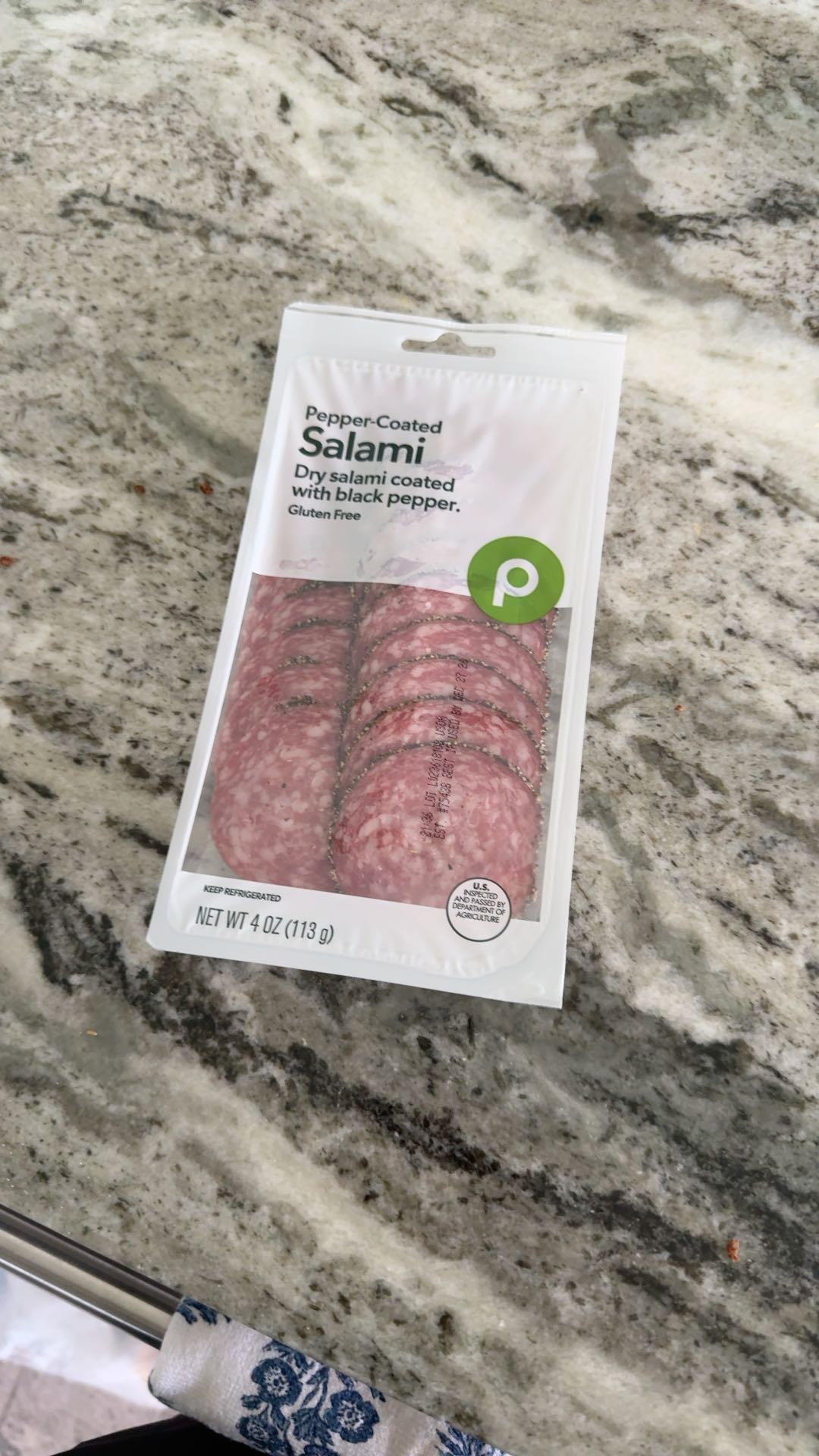



Publix Deli PEPPER-COATED SALAMI
Analysis updated September 2026 · How Scout scores
At a glance
Summary
This pepper-coated salami is ultra-processed, which limits its potential health score despite having some beneficial ingredients like pork, garlic, and black pepper. The presence of 'natural flavoring' as a vague and potentially highly processed ingredient also detracts from its overall healthiness. While it contains quality protein and spices, the level of processing and lack of transparency in some ingredients are significant factors in its rating.
Key ingredients 9
PorkGood
Pork is a rich source of high-quality protein and essential nutrients. It provides a complete amino acid profile necessary for muscle maintenance and repair. The quality of pork can vary based on farming practices, with pasture-raised options being more beneficial.
Risks
Excessive consumption of processed pork products may increase the risk of cardiovascular diseases due to high saturated fat content.
Benefits
Provides essential nutrients such as B vitamins, zinc, and iron, which are crucial for energy production and immune function.
Sea saltGood
Sea salt is a minimally processed source of sodium and trace minerals. It is often preferred over refined table salt due to its natural mineral content. The use of sea salt can enhance flavor without the need for excessive additives.
Risks
High sodium intake can lead to increased blood pressure and cardiovascular issues if consumed in excess.
Benefits
Contains trace minerals that can support electrolyte balance and overall health.
GarlicGood
Garlic is known for its potential health benefits, including antimicrobial and anti-inflammatory properties. It contains compounds like allicin, which may support cardiovascular health. Its inclusion in foods can enhance both flavor and nutritional value.
Benefits
May support heart health and immune function due to its bioactive compounds.
Black pepperGood
Black pepper is a common spice known for its antioxidant properties and ability to enhance nutrient absorption. It contains piperine, which can improve the bioavailability of certain nutrients. Its inclusion adds both flavor and potential health benefits.
Benefits
May enhance nutrient absorption and provide antioxidant benefits.
Turbinado sugarNeutral
Turbinado sugar is a less refined sugar with some molasses content, giving it a slight nutritional edge over white sugar. It is still a source of added sugars, which should be consumed in moderation. Its impact on health is similar to other sugars, contributing to energy intake.
Risks
Excessive consumption of added sugars can lead to weight gain and increased risk of metabolic diseases.
Benefits
Provides a quick source of energy but should be limited in a balanced diet.
WineNeutral
Wine is used in small amounts for flavoring and does not significantly impact the nutritional profile of the product. The alcohol content is typically evaporated during processing. It adds complexity to the flavor profile without major health implications.
Benefits
Enhances flavor complexity without adding significant calories or nutrients.
Celery powderNeutral
Celery powder is often used as a natural preservative due to its nitrate content. It is considered a more natural alternative to synthetic preservatives. Its impact on health is generally neutral, providing minimal nutritional value.
Benefits
Acts as a natural preservative, potentially reducing the need for synthetic additives.
Lactic acid starter cultureNeutral
Lactic acid starter culture is used in fermentation processes to develop flavor and preserve the product. It is generally considered safe and beneficial for gut health. Its role in this product is primarily functional, aiding in preservation and flavor development.
Benefits
May support gut health by promoting beneficial bacteria growth during fermentation.
Natural flavoringBad
Natural flavoring is a vague term that can encompass a wide range of substances, often highly processed. It lacks transparency, making it difficult to assess its health impact. Consumers may prefer products with clearly identified ingredients.
Risks
Potential for undisclosed allergens or additives that may cause sensitivities in some individuals.
Processing
Ultra-Processed Foods
Get the full breakdown in the Scout appTake Scout shopping
Scan any product to see lab results, healthy alternatives, and your personalized analysis.
Download on theApp Store GET IT ONGoogle Play