
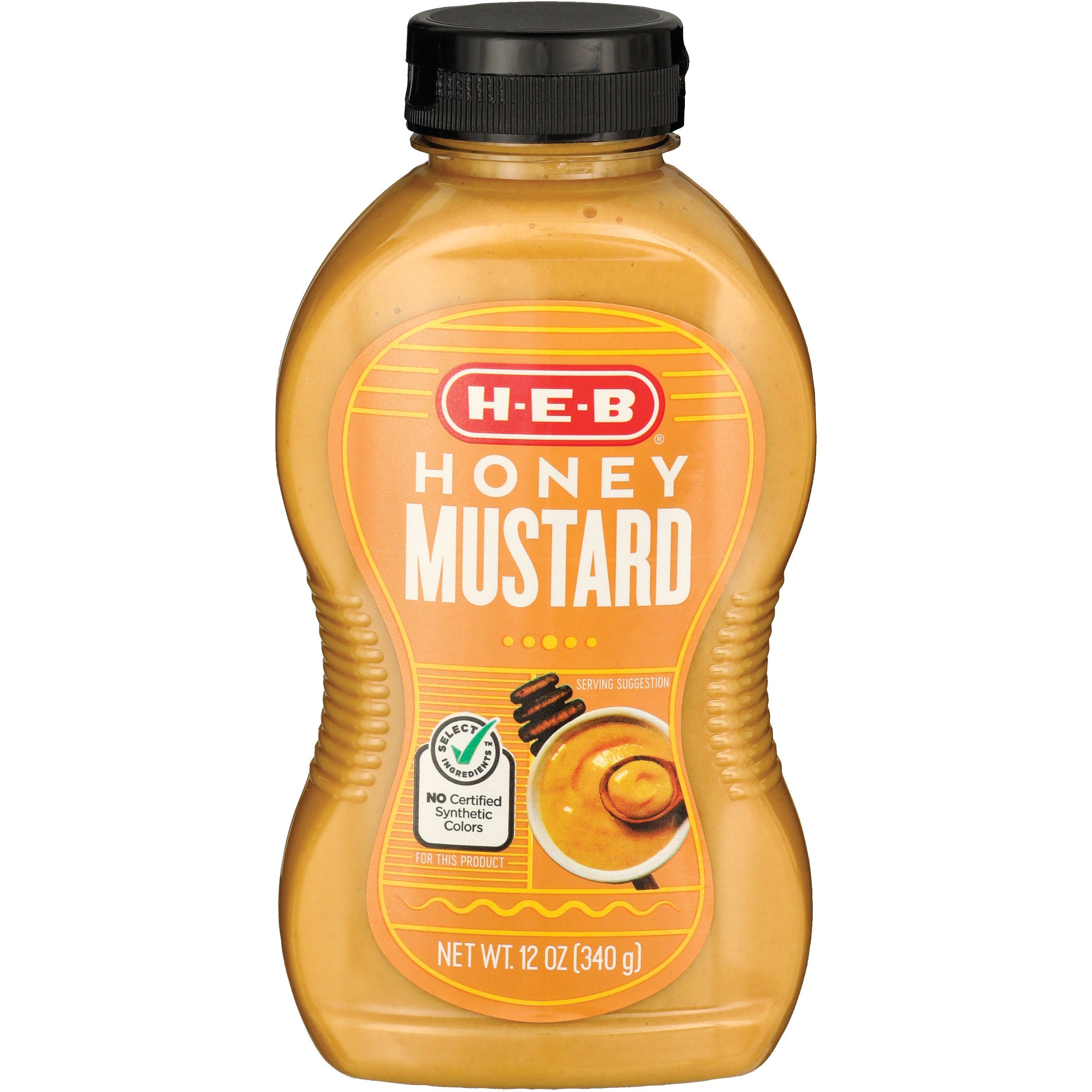


French's Honey Mustard
Analysis updated April 2026 · How Scout scores
At a glance
Summary
This honey mustard is heavily processed, containing refined sugar and natural flavors, which are considered less desirable due to their high processing and lack of nutritional value. While it includes mustard seed, a beneficial ingredient, the high sugar content and ultra-processed nature limit its healthfulness. The presence of multiple additives and the high level of processing significantly impact its overall rating.
Key ingredients 10
Mustard SeedGood
Mustard seed is a natural spice that adds flavor and potential health benefits. It contains compounds like glucosinolates, which may have anti-inflammatory properties. It is minimally processed and retains its nutritional profile.
Risks
Allergic reactions are possible in sensitive individuals.
Benefits
Contains antioxidants and anti-inflammatory compounds that may support health.
HoneyGood
Traditional whole-food sweetener with trace enzymes and antioxidants.
Risks
Excessive consumption can contribute to high sugar intake and related health issues.
Benefits
Contains trace amounts of vitamins and antioxidants.
SpicesGood
Whole-food seasonings, antioxidant-bearing.
Risks
Potential for allergic reactions in sensitive individuals.
Benefits
May contain antioxidants and anti-inflammatory compounds.
Garlic PowderGood
Concentrated whole-food seasoning.
Risks
May cause digestive discomfort in some individuals.
Benefits
Contains compounds that may support cardiovascular health.
Distilled VinegarNeutral
Distilled vinegar is a common acidic ingredient used for flavor and preservation. It is produced through the fermentation of ethanol by acetic acid bacteria. It has no significant nutritional benefits but is generally safe for consumption.
Risks
Excessive consumption may lead to digestive discomfort due to its acidity.
WaterNeutral
Water is used as a solvent and to adjust the consistency of the product. It is a natural ingredient with no processing concerns. It does not contribute any nutritional value to the product.
See more about Water →SaltNeutral
Salt is used to enhance flavor and preserve food. It is a natural mineral but can contribute to high sodium intake if consumed excessively. It is essential for bodily functions in moderate amounts.
Risks
High sodium intake is associated with increased risk of hypertension and cardiovascular disease.
Benefits
Essential for maintaining fluid balance and nerve function.
Carrot OleoresinNeutral
Carrot oleoresin is a natural coloring agent derived from carrots. It is used to enhance the visual appeal of food products. It is minimally processed and retains some carotenoids.
Benefits
Contains carotenoids, which are antioxidants.
SugarBad
Sugar is a refined carbohydrate that provides sweetness and energy. It is highly processed and can contribute to health issues like obesity and diabetes when consumed in excess. It lacks essential nutrients and is considered a source of empty calories.
Risks
High consumption of sugar is linked to increased risk of obesity, type 2 diabetes, and dental cavities.
Natural FlavorBad
Natural flavor is a catch-all term for flavoring agents derived from natural sources. It lacks transparency and can include a wide range of substances. The lack of specificity makes it difficult to assess its health impact.
Risks
Potential for undisclosed allergens and additives.
Processing
Ultra-Processed Foods
Get the full breakdown in the Scout appTake Scout shopping
Scan any product to see lab results, healthy alternatives, and your personalized analysis.
Download on theApp Store GET IT ONGoogle PlayAmazon pricing & content
Amazon price as of . Product prices and availability are accurate as of the date/time indicated and are subject to change. Any price and availability information displayed on Amazon.com at the time of purchase will apply to the purchase of this product.
CERTAIN CONTENT THAT APPEARS ON THIS SITE COMES FROM AMAZON. THIS CONTENT IS PROVIDED “AS IS” AND IS SUBJECT TO CHANGE OR REMOVAL AT ANY TIME.