

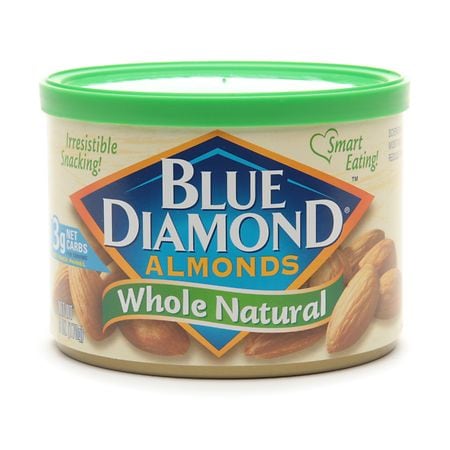



Blue Diamond Thin Dipped Chocolate Almonds
Analysis updated August 2026 · How Scout scores
At a glance
Summary
This product is ultra-processed, which limits its score potential despite containing beneficial ingredients like almonds and dark chocolate. The presence of sugar and natural flavors, along with soy lecithin as an emulsifier, contributes to its processing level. While almonds provide healthy fats and nutrients, the overall processing and added sugars reduce the healthiness of the product.
Key ingredients 5
AlmondsVery Good
Almonds are a nutrient-dense food rich in healthy fats, protein, and fiber. They provide essential vitamins and minerals, including vitamin E and magnesium. Their consumption is associated with improved heart health and reduced inflammation.
Benefits
Rich in monounsaturated fats and antioxidants, supporting heart health and reducing oxidative stress.
Dark chocolateGood
Dark chocolate contains antioxidants and flavonoids that may improve heart health. It is made from cocoa solids, which are rich in beneficial compounds. The presence of sugar and milk fat should be moderated for optimal health benefits.
Risks
Excessive consumption may lead to increased sugar intake and potential weight gain.
Benefits
Contains flavonoids that support cardiovascular health and may improve mood.
Sea saltGood
Sea salt is a natural source of sodium and trace minerals. It is less processed than regular table salt, retaining more of its natural mineral content. Its use in moderation can enhance flavor without significant health risks.
Risks
Excessive sodium intake can lead to hypertension and cardiovascular issues.
Benefits
Provides essential minerals and enhances flavor with minimal processing.
Soy lecithinBad
Soy lecithin is a common emulsifier derived from soybeans. It is highly processed and may contain traces of soy allergens. While generally recognized as safe, its consumption should be limited due to its processed nature.
Risks
May contain soy allergens and is a processed additive.
Natural flavorsBad
Natural flavors are a catch-all term for flavoring agents derived from natural sources. They are highly processed and lack transparency in their composition. Their inclusion can mask the quality of the underlying ingredients.
Risks
Potential allergens and lack of transparency in ingredient composition.
Processing
Ultra-Processed Foods
Get the full breakdown in the Scout appTake Scout shopping
Scan any product to see lab results, healthy alternatives, and your personalized analysis.
Download on theApp Store GET IT ONGoogle PlayAmazon pricing & content
Amazon price as of . Product prices and availability are accurate as of the date/time indicated and are subject to change. Any price and availability information displayed on Amazon.com at the time of purchase will apply to the purchase of this product.
CERTAIN CONTENT THAT APPEARS ON THIS SITE COMES FROM AMAZON. THIS CONTENT IS PROVIDED “AS IS” AND IS SUBJECT TO CHANGE OR REMOVAL AT ANY TIME.