


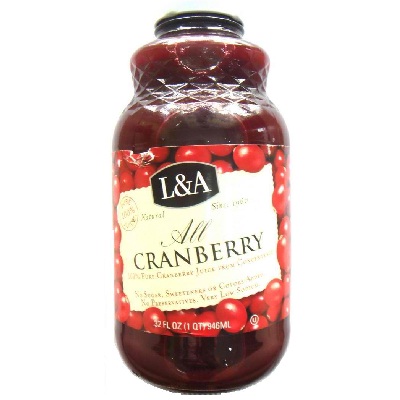

At a glance
Summary
This grape juice is primarily composed of natural ingredients like white grape juice, which provides vitamins and antioxidants. However, it includes potassium metabisulfite, a preservative that can cause allergic reactions in sensitive individuals. The juice is processed, which limits its score, and the presence of added sugars from the concentrate further impacts its healthiness.
Key ingredients 5
White Grape JuiceGood
White grape juice is a natural source of vitamins, antioxidants, and hydration. It is minimally processed, retaining more nutrients compared to concentrates. The juice provides beneficial antioxidants that can support overall health.
Risks
High natural sugar content may contribute to increased calorie intake if consumed in large quantities.
Benefits
Rich in antioxidants and vitamins, supporting immune function and providing hydration.
Ascorbic AcidGood
Ascorbic acid, also known as vitamin C, is an essential nutrient and antioxidant. It is added to enhance the nutritional value of the juice. Vitamin C supports immune function and skin health.
Benefits
Essential for collagen synthesis and immune support, and acts as an antioxidant.
White Grape Juice From ConcentrateNeutral
White grape juice from concentrate is a source of natural sugars and some vitamins. The concentration process may reduce some nutrient content compared to fresh juice. It provides hydration and a natural source of carbohydrates.
Risks
Excessive consumption may contribute to high sugar intake, which can lead to weight gain and other health issues.
Benefits
Contains natural sugars and some vitamins, providing a quick source of energy.
Citric AcidNeutral
Citric acid is used to add tartness and preserve the juice. It is a naturally occurring acid found in citrus fruits. It helps maintain the flavor and stability of the juice.
Benefits
Helps preserve the juice and enhance its flavor.
Potassium MetabisulfiteBad
Potassium metabisulfite is a preservative used to prevent spoilage and oxidation. It can cause allergic reactions in sensitive individuals, particularly those with asthma. Its use is common in processed foods and beverages to extend shelf life.
Risks
May cause allergic reactions or respiratory issues in sensitive individuals.
Benefits
Helps preserve the juice by preventing spoilage and maintaining color.
Processing
Processed Foods
Get the full breakdown in the Scout appTake Scout shopping
Scan any product to see lab results, healthy alternatives, and your personalized analysis.
Download on theApp Store GET IT ONGoogle Play