



At a glance
Summary
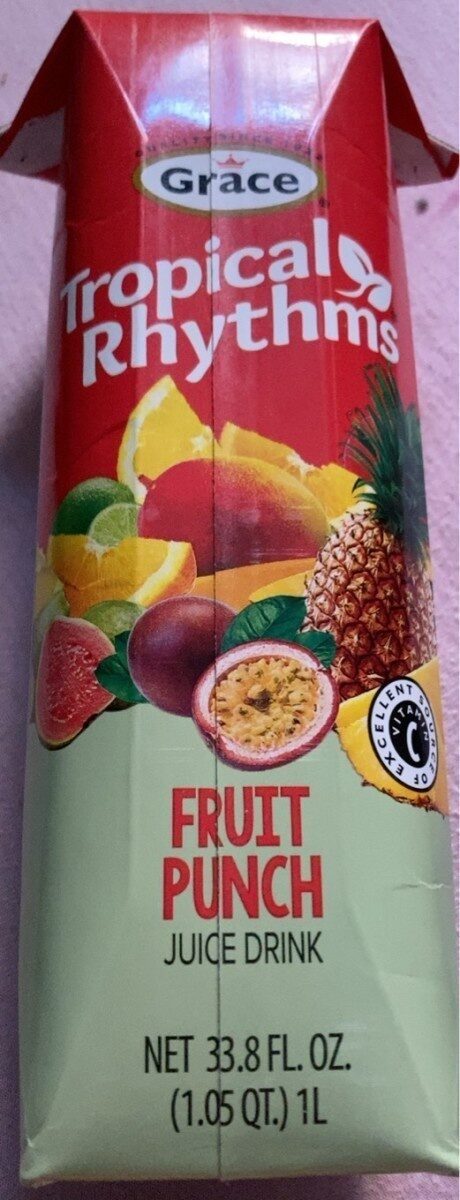
This beverage contains a variety of fruit purees and concentrates, which provide some nutritional benefits such as vitamins and antioxidants. However, the presence of invert sugar contributes to added sugar intake, which can have negative health impacts. Additionally, the use of artificial dye FD&C Red #40 and natural flavors raises concerns due to potential health risks and lack of transparency, respectively. The processing level further limits the potential score.
Key ingredients 14
Guava PureeGood
Guava puree is a natural fruit ingredient rich in vitamins, particularly vitamin C, and dietary fiber. It is minimally processed, retaining most of its nutritional value. Guava is known for its antioxidant properties and potential to support immune health.
Benefits
Rich in vitamin C and antioxidants, supporting immune function and overall health.
Pear PureeGood
Pear puree is a natural source of dietary fiber and essential nutrients. It is minimally processed, preserving its nutritional content. Pears are known for their digestive benefits and low allergenic potential.
Benefits
Provides dietary fiber and essential nutrients, supporting digestive health.
Pineapple Juice ConcentrateGood
Pineapple juice concentrate is a concentrated form of pineapple juice, providing vitamins and enzymes like bromelain. It is processed to remove water, concentrating its nutrients. Pineapple is known for its anti-inflammatory properties and digestive benefits.
Benefits
Rich in vitamins and enzymes, supporting digestion and reducing inflammation.
Orange Juice ConcentrateGood
Orange juice concentrate is a concentrated source of vitamin C and other antioxidants. It is processed to remove water, enhancing its nutrient density. Oranges are known for their immune-boosting properties and support for skin health.
Benefits
High in vitamin C and antioxidants, promoting immune health and skin vitality.
Mango PureeGood
Mango puree is a natural fruit ingredient rich in vitamins A and C, as well as dietary fiber. It is minimally processed, maintaining its nutritional integrity. Mangoes are known for their antioxidant properties and support for eye health.
Benefits
Provides vitamins A and C, supporting eye health and immune function.
Peach PureeGood
Peach puree is a natural source of vitamins and minerals, particularly vitamin C and potassium. It is minimally processed, preserving its nutritional benefits. Peaches are known for their antioxidant properties and support for skin health.
Benefits
Rich in vitamin C and potassium, supporting skin health and electrolyte balance.
Papaya PureeGood
Papaya puree is a natural fruit ingredient high in vitamins A and C, as well as digestive enzymes. It is minimally processed, retaining its health benefits. Papaya is known for its digestive support and anti-inflammatory properties.
Benefits
Provides digestive enzymes and vitamins, supporting digestion and reducing inflammation.
Lime Juice ConcentrateGood
Lime juice concentrate is a concentrated source of vitamin C and antioxidants. It is processed to remove water, enhancing its nutrient density. Lime is known for its immune-boosting properties and support for skin health.
Benefits
High in vitamin C and antioxidants, promoting immune health and skin vitality.
Ascorbic Acid (Vitamin C)Good
Ascorbic acid, also known as vitamin C, is an essential nutrient with antioxidant properties. It is added to enhance the nutritional profile and preserve the product. Vitamin C supports immune function and skin health.
Benefits
Essential for immune function and acts as an antioxidant, protecting cells from damage.
WaterNeutral
Water is a neutral ingredient that serves as a base for the beverage. It is essential for hydration but does not provide additional nutritional benefits. The quality of water can vary depending on the source and treatment.
See more about Water →Citric AcidNeutral
Citric acid is a natural preservative and acidulant used to enhance flavor and preserve freshness. It is widely used in food processing and generally recognized as safe. Citric acid can help balance acidity in beverages.
Risks
Excessive consumption may cause dental erosion or gastrointestinal discomfort.
Benefits
Helps preserve freshness and enhance flavor in food products.
Invert SugarBad
Invert sugar is a form of added sugar that can contribute to excessive calorie intake and potential weight gain. It is processed to enhance sweetness and shelf life. High consumption of added sugars is linked to various health issues, including obesity and diabetes.
Risks
Excessive consumption can lead to weight gain, insulin resistance, and increased risk of chronic diseases.
Natural FlavorBad
Natural flavor is a catch-all term for flavoring agents derived from natural sources but often processed. It lacks transparency, making it difficult to assess its health impact. The use of natural flavors can mask the quality of the underlying ingredients.
Risks
Potential for undisclosed additives and allergens, with limited transparency.
FD&C Red #40Very Bad
FD&C Red #40 is an artificial dye used to enhance color in food products. It is synthetically produced and has been linked to hyperactivity in children. Concerns exist regarding its potential allergenic and carcinogenic effects.
Risks
May cause hyperactivity in children and potential allergic reactions.
Processing
Processed Foods
Get the full breakdown in the Scout appTake Scout shopping
Scan any product to see lab results, healthy alternatives, and your personalized analysis.
Download on theApp Store GET IT ONGoogle Play