



At a glance
Summary
This vegetable barley soup contains a variety of organic vegetables and grains, which are beneficial for health due to their vitamins, minerals, and antioxidants. However, the presence of high oleic safflower and/or sunflower oil, which are processed seed oils, slightly detracts from its overall healthiness. Despite being a processed food, the use of organic ingredients and the absence of artificial additives contribute positively to its score.
Key ingredients 15
Organic onionsGood
Organic onions are a source of vitamins and antioxidants. They are grown without synthetic pesticides, enhancing their health benefits. Onions may support immune function and reduce inflammation.
Benefits
Rich in antioxidants and may help reduce inflammation and support immune health.
Organic barleyGood
Organic barley is a whole grain providing fiber and essential nutrients. It is grown without synthetic chemicals, preserving its nutritional integrity. Barley supports digestive health and may help regulate blood sugar levels.
Risks
May cause digestive discomfort in individuals with gluten sensitivity.
Benefits
High in fiber, which supports digestive health and may aid in blood sugar regulation.
Organic carrotsGood
Organic carrots are rich in beta-carotene and antioxidants. They are cultivated without harmful pesticides, enhancing their nutritional profile. Carrots support eye health and provide immune-boosting properties.
Benefits
High in beta-carotene, which supports eye health and provides antioxidant benefits.
Organic diced tomatoesGood
Organic diced tomatoes are a source of vitamins C and K and antioxidants like lycopene. They are grown without synthetic chemicals, preserving their health benefits. Tomatoes may support heart health and reduce inflammation.
Benefits
Rich in lycopene and vitamins, supporting heart health and reducing inflammation.
Organic celeryGood
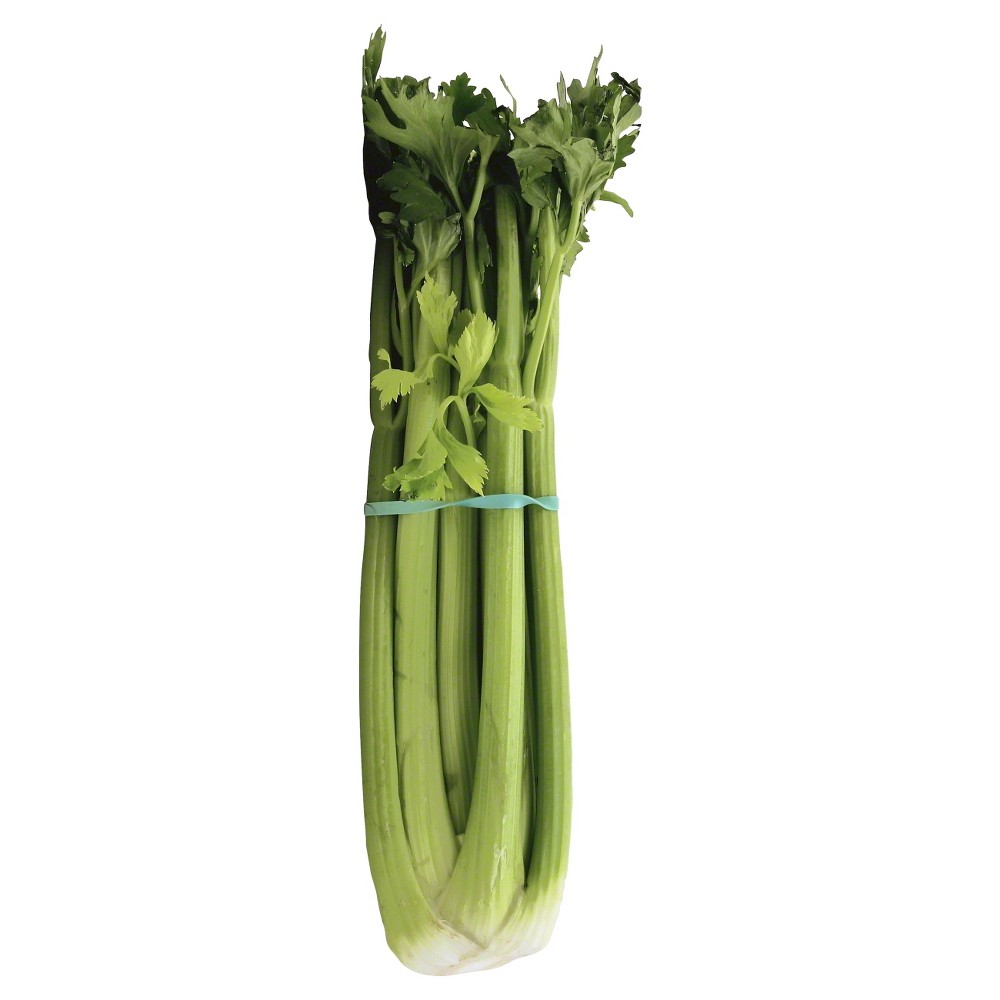
Organic celery is low in calories and provides vitamins and minerals. It is grown without synthetic pesticides, maintaining its nutritional value. Celery may aid in digestion and provide anti-inflammatory benefits.
Benefits
Provides vitamins and minerals, and may aid digestion and reduce inflammation.
Organic leeksGood
Organic leeks are a source of vitamins A, C, and K and antioxidants. They are cultivated without synthetic chemicals, enhancing their health benefits. Leeks may support cardiovascular health and improve digestion.
Benefits
Rich in vitamins and antioxidants, supporting heart health and digestion.
Organic zucchiniGood
Organic zucchini is low in calories and provides vitamins and minerals. It is grown without synthetic pesticides, preserving its nutritional integrity. Zucchini supports digestive health and provides hydration.
Benefits
Low in calories and provides vitamins and minerals, supporting digestion and hydration.
Organic peasGood
Organic peas are a good source of plant-based protein and fiber. They are grown without synthetic chemicals, enhancing their nutritional profile. Peas support muscle health and aid in digestion.
Benefits
Rich in protein and fiber, supporting muscle health and digestion.
Sea saltGood
Sea salt is a natural source of sodium and trace minerals. It is minimally processed, retaining its mineral content. Sea salt can enhance flavor and provide essential electrolytes.
Risks
Excessive consumption may contribute to high blood pressure.
Benefits
Provides essential electrolytes and enhances flavor with trace minerals.
Organic spicesGood
Organic spices add flavor and contain antioxidants. They are grown without synthetic pesticides, preserving their health benefits. Spices may support metabolism and provide anti-inflammatory properties.
Benefits
Contain antioxidants and may support metabolism and reduce inflammation.
Organic garlicGood
Organic garlic is known for its antioxidant and antimicrobial properties. It is grown without synthetic chemicals, enhancing its health benefits. Garlic may support heart health and boost the immune system.
Benefits
Provides antioxidants and may support heart health and immune function.
Organic black pepperGood
Organic black pepper contains piperine, which may enhance nutrient absorption. It is grown without synthetic pesticides, preserving its health benefits. Black pepper may support digestion and provide antioxidant properties.
Benefits
May enhance nutrient absorption and provide antioxidant benefits.
Filtered waterNeutral
Filtered water is used as a base for the soup, providing hydration. It is free from impurities and contaminants. It does not contribute any nutritional value.
See more about Filtered water →Bay leavesNeutral
Bay leaves are used for flavoring and have minimal nutritional impact. They are typically removed before consumption. Bay leaves do not provide significant health benefits or risks.
See more about Bay leaves →Organic high oleic safflower and/or sunflower oilVery Bad
High oleic safflower and sunflower oils are seed oils high in omega-6 fatty acids. They are processed and may contribute to inflammation when consumed in excess. These oils are not recommended due to their potential negative health impacts.
Risks
High omega-6 content may promote inflammation when consumed in excess.
Processing
Processed Foods
Get the full breakdown in the Scout appTake Scout shopping
Scan any product to see lab results, healthy alternatives, and your personalized analysis.
Download on theApp Store GET IT ONGoogle Play