
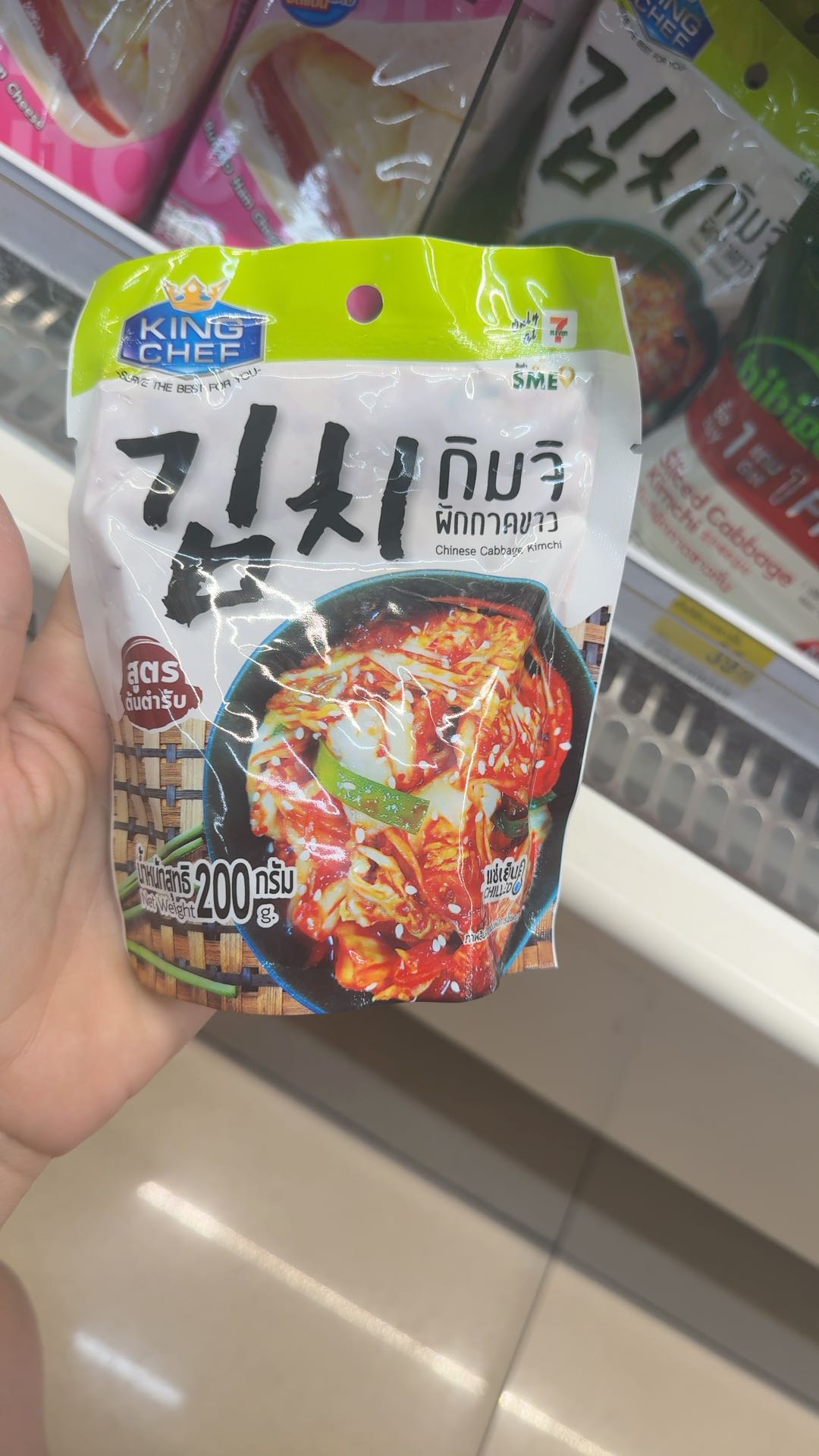




White Cabbage Kimchi with Seasoned Jellyfish
Analysis updated June 2026 · How Scout scores
At a glance
Summary
This product contains a variety of nutrient-rich vegetables such as white cabbage, carrots, and radish, which contribute to its health benefits. The fermentation process enhances its probiotic content, supporting gut health. However, the presence of added sugar and its processed nature limit its score, despite the overall clean ingredient list.
Key ingredients 12
White CabbageVery Good
White cabbage is a nutrient-dense vegetable rich in vitamins C and K. It is a good source of fiber, which supports digestive health. Fermentation in kimchi enhances its probiotic content, promoting gut health.
Benefits
Rich in vitamins and fiber, supporting immune and digestive health. Fermentation adds probiotics beneficial for gut flora.
CarrotsVery Good
Carrots are an excellent source of beta-carotene, which the body converts into vitamin A. They provide antioxidants that help protect against free radical damage. Their natural sweetness can enhance the flavor profile of dishes.
Benefits
High in beta-carotene and antioxidants, supporting vision and immune health.
RadishGood
Radishes are low-calorie vegetables rich in vitamin C and other antioxidants. They have a peppery flavor that can add a refreshing taste to dishes. Their fiber content aids in digestion.
Benefits
Provides vitamin C and fiber, supporting immune function and digestion.
PearGood
Pears are a good source of dietary fiber and vitamin C. They offer natural sweetness and can help balance flavors in savory dishes. Their fiber content supports healthy digestion.
Benefits
Rich in fiber and vitamin C, promoting digestive health and immune support.
Green OnionsGood
Green onions are low in calories and provide a mild onion flavor. They contain antioxidants and vitamins A and C. Their sulfur compounds may have anti-inflammatory properties.
Benefits
Contains antioxidants and vitamins, supporting overall health.
PeppersGood
Peppers are rich in vitamins A and C and provide a variety of antioxidants. They add vibrant color and flavor to dishes. Capsaicin in hot peppers may boost metabolism.
Benefits
High in vitamins and antioxidants, supporting immune health and metabolism.
Red DatesGood
Red dates are a traditional ingredient known for their sweet flavor and nutritional benefits. They are rich in vitamins and minerals, particularly vitamin C. Often used in traditional medicine for their health-promoting properties.
Benefits
Provides vitamins and minerals, supporting overall health.
Korean Hot Pepper FlakesGood
Korean hot pepper flakes add heat and flavor to dishes and are a staple in Korean cuisine. They contain capsaicin, which may have metabolism-boosting properties. Their vibrant color and flavor enhance culinary appeal.
Benefits
Contains capsaicin, which may support metabolism and provide antioxidants.
GarlicGood
Garlic is known for its strong flavor and numerous health benefits. It contains allicin, which has antimicrobial and anti-inflammatory properties. Regular consumption may support cardiovascular health.
Benefits
Rich in allicin, supporting immune function and cardiovascular health.
Kosher SaltNeutral
Kosher salt is a common seasoning used to enhance flavor. It is less processed than table salt and does not contain additives. Used in moderation, it is a staple in culinary applications.
Risks
Excessive consumption can lead to high blood pressure and other cardiovascular issues.
Benefits
Enhances flavor without additives, suitable for various culinary uses.
Fish SauceNeutral
Fish sauce is a fermented condiment that adds umami flavor to dishes. It is made from fish and salt, providing a unique taste profile. Used in moderation, it enhances the depth of flavor in culinary applications.
Risks
High sodium content may contribute to elevated blood pressure if consumed in excess.
Benefits
Adds umami flavor and depth to dishes, enhancing culinary complexity.
SugarBad
Sugar is a refined carbohydrate that provides sweetness but lacks nutritional value. Excessive consumption can lead to health issues such as obesity and diabetes. It is often used to balance flavors in savory dishes.
Risks
High intake is associated with increased risk of obesity, diabetes, and dental cavities.
Benefits
Provides sweetness and can enhance flavor balance in moderation.
Processing
Processed Foods
Get the full breakdown in the Scout appTake Scout shopping
Scan any product to see lab results, healthy alternatives, and your personalized analysis.
Download on theApp Store GET IT ONGoogle Play