
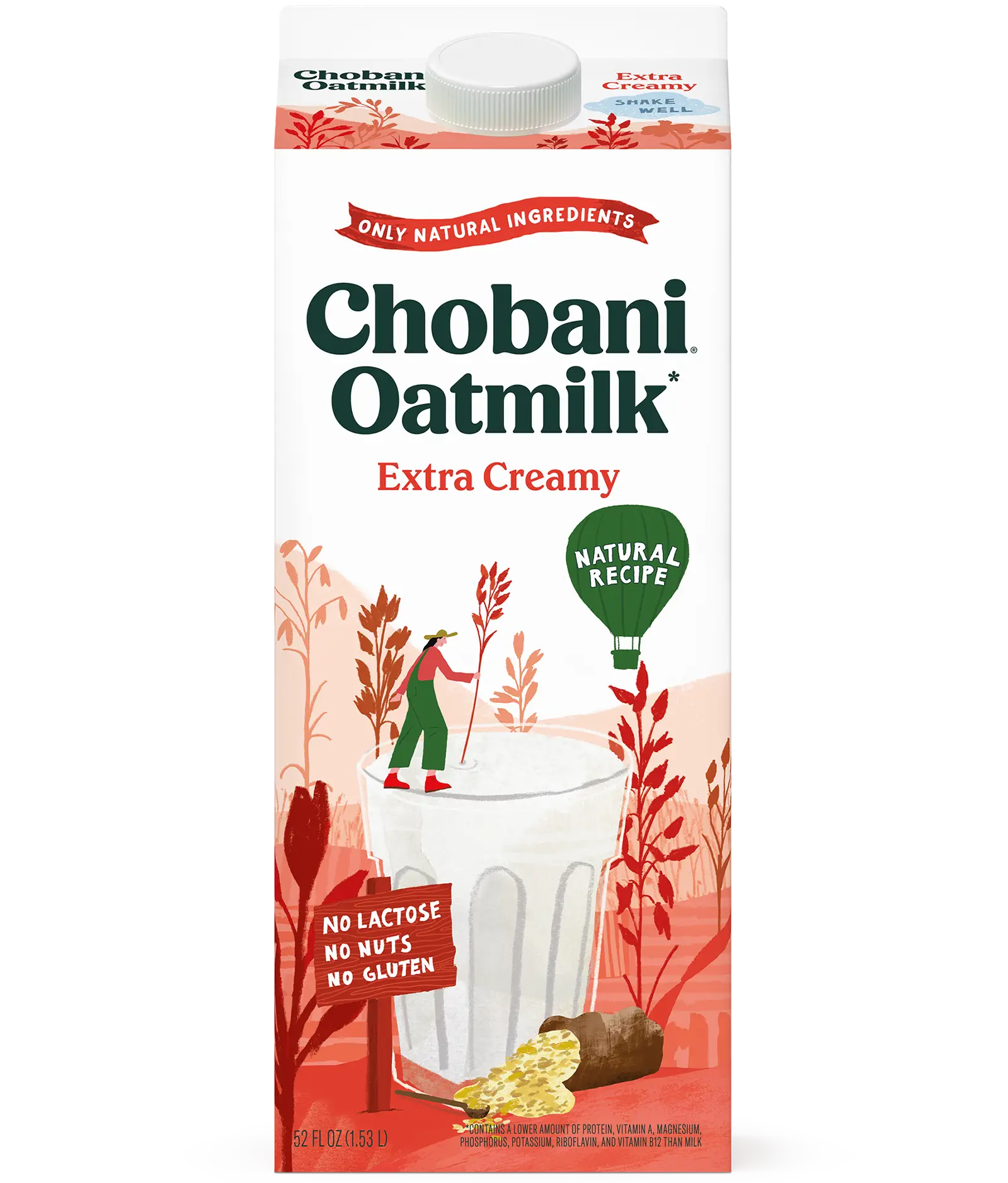

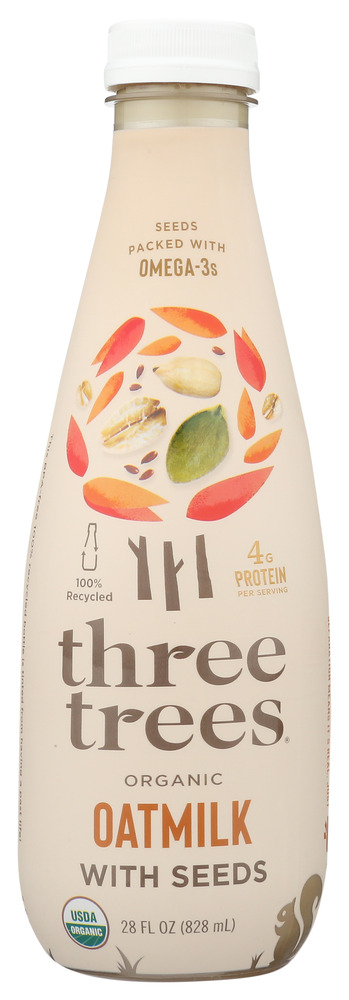
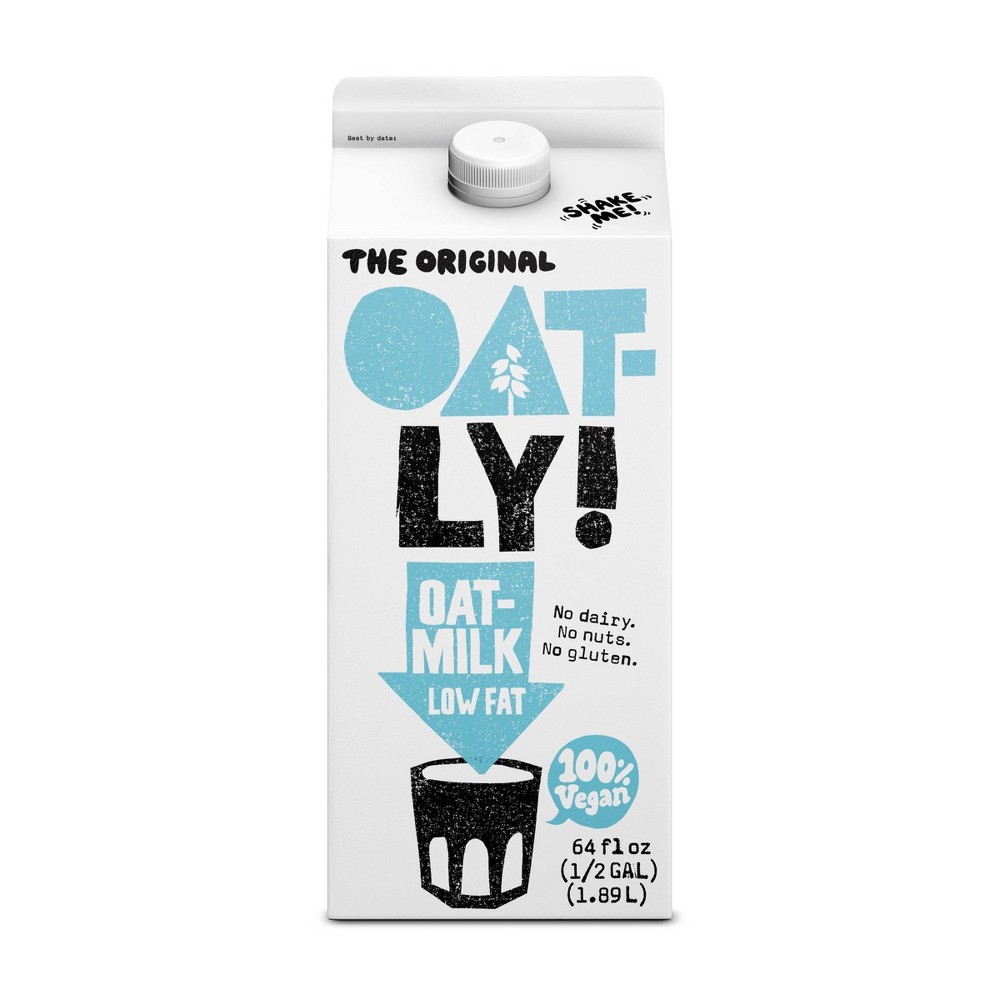
Oatmilk
Summary
This oatmilk is heavily processed, containing multiple additives such as stabilizers and emulsifiers, which contribute to its ultra-processed nature. The presence of sunflower oil, a seed oil high in omega-6 fatty acids, is a concern due to its potential inflammatory effects. While it includes beneficial nutrients like calcium and vitamins, the overall ingredient quality is compromised by the use of processed components and natural flavors.
At a glance
Key ingredients 13
Filtered WaterNeutral
Filtered water is used as a base for many beverages and is generally considered neutral. It provides hydration but does not contribute significant nutrients. It is free from contaminants and impurities.
See more about Filtered Water →OatsVery Good
Oats are a whole grain that provides fiber, vitamins, and minerals. They are minimally processed and contribute to heart health and digestive wellness. Oats can help lower cholesterol levels and stabilize blood sugar.
Benefits
Rich in beta-glucans, which support heart health and provide a source of slow-releasing energy.
Sunflower OilVery Bad
Sunflower oil is a seed oil high in omega-6 fatty acids, which can promote inflammation if consumed in excess. It is often highly processed, which may reduce its nutritional quality. Compared to other oils, it lacks beneficial omega-3 fatty acids.
Risks
High omega-6 content may promote inflammation when consumed in excess.
Calcium CarbonateGood
Calcium carbonate is used to fortify foods with calcium, supporting bone health. It is a common and effective way to increase calcium intake, especially in plant-based products. It helps meet daily calcium requirements.
Risks
Excessive intake may lead to kidney stones or impaired absorption of other minerals.
Benefits
Provides a source of calcium, essential for bone health and muscle function.
Dipotassium PhosphateNeutral
Dipotassium phosphate is used as a stabilizer and emulsifier in food products. It helps maintain texture and consistency but does not contribute significant nutrients. It is generally recognized as safe when consumed in typical amounts.
Risks
Excessive consumption may affect kidney function in susceptible individuals.
Sea SaltGood
Unrefined sea salt — a minimally processed, natural source of sodium and essential trace minerals, and a legitimate whole-food seasoning. Treated as a positive ingredient.
Risks
Excessive sodium intake can lead to high blood pressure and cardiovascular issues.
Benefits
Provides essential sodium and trace minerals.
Sunflower LecithinNeutral
Sunflower lecithin is used as an emulsifier to improve texture and mixability. It is derived from sunflower seeds and is considered a natural additive. It is generally recognized as safe and does not pose significant health risks.
Benefits
May support brain health due to its choline content.
Natural FlavorsBad
Natural flavors are a catch-all term for flavoring agents derived from natural sources. They are often highly processed and lack transparency regarding their specific composition. Their use can mask the true quality of the product.
Risks
Potential for allergic reactions or sensitivities due to undisclosed components.
Gellan GumNeutral
Gellan gum is a gelling agent used to stabilize and thicken products. It is derived from bacterial fermentation and is considered safe for consumption. It helps maintain the desired texture of the product.
Risks
Excessive consumption may cause digestive discomfort in sensitive individuals.
Vitamin A PalmitateGood
Vitamin A palmitate is a form of vitamin A used to fortify foods, supporting vision and immune function. It is a stable form of vitamin A that is easily absorbed by the body. It helps meet daily vitamin A requirements.
Risks
Excessive intake can lead to toxicity, especially in supplement form.
Benefits
Supports vision, immune function, and skin health.
Vitamin D2Good
Vitamin D2 is used to fortify foods and supports bone health by aiding calcium absorption. It is a plant-based form of vitamin D, suitable for vegans. It helps prevent vitamin D deficiency, especially in low-sunlight areas.
Risks
Excessive intake can lead to toxicity, though rare from food sources.
Benefits
Essential for bone health and immune function.
Riboflavin (Vitamin B2)Good
Riboflavin is a B vitamin that supports energy production and cellular function. It is water-soluble and must be consumed regularly as the body does not store it. It helps maintain healthy skin and eyes.
Benefits
Supports energy metabolism and antioxidant protection.
Vitamin B12Good
Vitamin B12 is essential for nerve function and the production of red blood cells. It is crucial for vegans and vegetarians who may not get enough from diet alone. It helps prevent anemia and supports cognitive health.
Benefits
Supports nerve health and red blood cell formation.
Processing
Ultra-Processed Foods
Get the full breakdown in the Scout app
Scan any product to see lab results, healthy alternatives, and your personalized analysis.
Download on theApp Store