
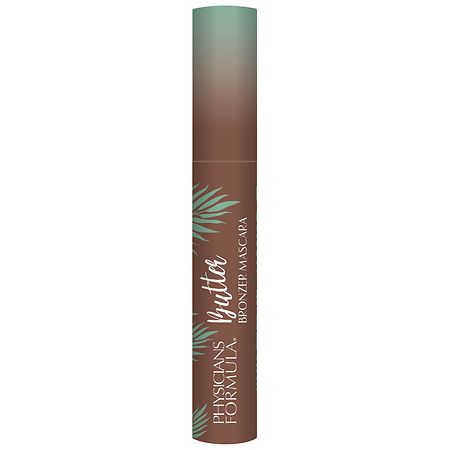
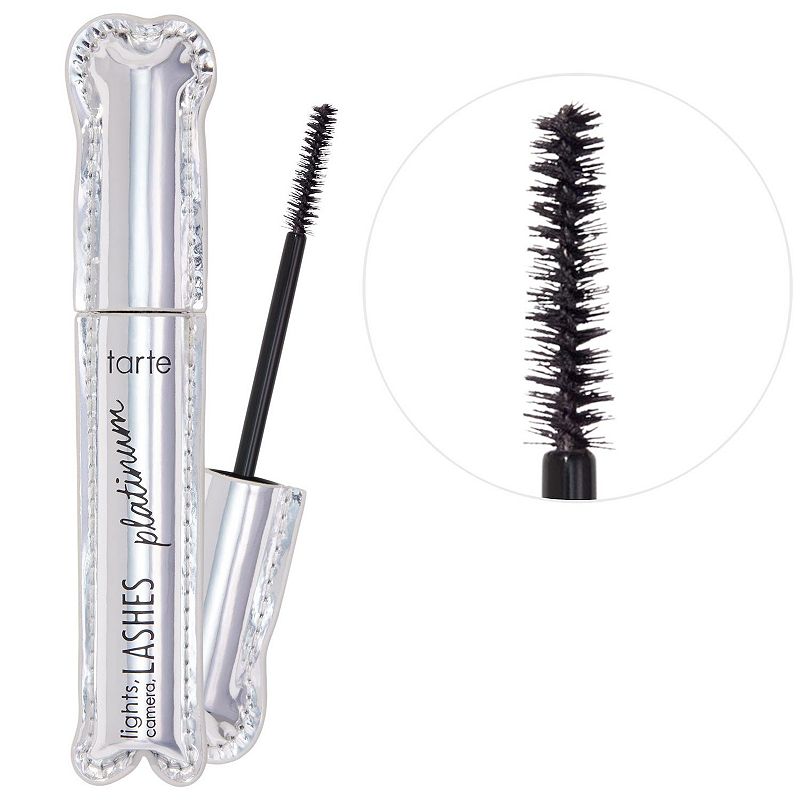
Physicians Formula Butter Bronzer Mascara - Bronze
Analysis updated August 2026 · How Scout scores
At a glance
Summary
This mascara contains several beneficial natural ingredients such as carnauba wax, rice bran wax, and various seed butters, which provide emollient and moisturizing properties. However, the presence of 'fragrance/parfum' introduces potential risks of allergic reactions and skin irritation due to its undisclosed components. The overall formulation is a mix of natural and synthetic ingredients, with the fragrance being a notable concern.
Key ingredients 29
Astrocaryum Murumuru Seed ButterVery Good
Murumuru Seed Butter is a natural butter used for its emollient properties in cosmetics. It helps moisturize and soften the skin. It is considered safe and beneficial in formulations.
Risks
There are minimal risks associated with Murumuru Seed Butter.
Benefits
Murumuru Seed Butter provides excellent moisturizing properties and helps soften the skin.
Astrocaryum Tucuma Seed ButterVery Good
Tucuma Seed Butter is a natural butter used for its emollient properties in cosmetics. It helps moisturize and soften the skin. It is considered safe and beneficial in formulations.
Risks
There are minimal risks associated with Tucuma Seed Butter.
Benefits
Tucuma Seed Butter provides excellent moisturizing properties and helps soften the skin.
Theobroma Grandiflorum Seed ButterVery Good
Cupuaçu Seed Butter is a natural butter used for its emollient properties in cosmetics. It helps moisturize and soften the skin. It is considered safe and beneficial in formulations.
Risks
There are minimal risks associated with Cupuaçu Seed Butter.
Benefits
Cupuaçu Seed Butter provides excellent moisturizing properties and helps soften the skin.
Copernicia Cerifera (Carnauba) Wax/Cire De CarnaubaGood
Carnauba Wax is a natural wax derived from the leaves of the carnauba palm. It is used to provide structure and shine to cosmetic products. It is considered safe and beneficial in formulations.
Risks
There are minimal risks associated with Carnauba Wax.
Benefits
Carnauba Wax adds a glossy finish and helps in product stability.
Oryza Sativa (Rice) Bran WaxGood
Rice Bran Wax is a natural wax derived from rice bran oil. It is used for its emollient and thickening properties in cosmetics. It is considered safe and beneficial in formulations.
Risks
There are minimal risks associated with Rice Bran Wax.
Benefits
Rice Bran Wax provides emollient properties and helps in product stability.
Hydrolyzed KeratinGood
Hydrolyzed Keratin is a protein used in cosmetics for its conditioning properties. It helps strengthen and repair hair and skin. It is considered safe and beneficial in formulations.
Risks
There are minimal risks associated with Hydrolyzed Keratin.
Benefits
Hydrolyzed Keratin helps strengthen and repair hair and skin.
Water/EauNeutral
Water is a common solvent used in cosmetics to dissolve other ingredients. It is essential for the formulation but does not provide direct benefits or risks. It acts as a base for the product.
Risks
There are no direct risks associated with water in cosmetics.
Benefits
Water helps in the application and spreadability of the product.
Stearic AcidNeutral
Stearic Acid is a fatty acid used as an emulsifier and thickener in cosmetics. It helps stabilize formulations and improve texture. It is generally safe for use in cosmetics.
Risks
Rarely, it may cause skin irritation in sensitive individuals.
Benefits
Stearic Acid helps in maintaining the consistency and stability of the product.
Butylene GlycolNeutral
Butylene Glycol is a common solvent and conditioning agent in cosmetics. It helps improve the texture and spreadability of products. It is generally considered safe for use.
Risks
In rare cases, it may cause mild irritation or allergic reactions.
Benefits
Butylene Glycol enhances the product's texture and helps retain moisture.
Polyacrylate-21Neutral
Polyacrylate-21 is a synthetic polymer used as a thickening agent in cosmetics. It helps improve the texture and stability of formulations. It is generally considered safe for use.
Risks
There are minimal risks associated with Polyacrylate-21.
Benefits
Polyacrylate-21 enhances the viscosity and stability of the product.
Cetearyl AlcoholNeutral
Cetearyl Alcohol is a fatty alcohol used as an emulsifier and thickener in cosmetics. It helps stabilize formulations and improve texture. It is generally safe for use in cosmetics.
Risks
Rarely, it may cause skin irritation in sensitive individuals.
Benefits
Cetearyl Alcohol helps in maintaining the consistency and stability of the product.
Steareth-20Neutral
Steareth-20 is an ethoxylated compound used as an emulsifier in cosmetics. It helps blend oil and water-based ingredients. It is generally considered safe for use.
Risks
There is a potential for contamination with 1,4-dioxane, a byproduct of ethoxylation.
Benefits
Steareth-20 improves the texture and stability of emulsions.
TromethamineNeutral
Tromethamine is a pH adjuster used in cosmetics to maintain product stability. It helps ensure the product remains effective over time. It is generally considered safe for use.
Risks
There are minimal risks associated with Tromethamine.
Benefits
Tromethamine helps maintain the pH balance of the product.
Acacia Senegal GumNeutral
Acacia Senegal Gum is a natural gum used as a thickening agent in cosmetics. It helps improve the texture and stability of formulations. It is generally considered safe for use.
Risks
There are minimal risks associated with Acacia Senegal Gum.
Benefits
Acacia Senegal Gum enhances the viscosity and stability of the product.
Palmitic AcidNeutral
Palmitic Acid is a fatty acid used as an emollient and thickener in cosmetics. It helps improve the texture and stability of formulations. It is generally considered safe for use.
Risks
Rarely, it may cause skin irritation in sensitive individuals.
Benefits
Palmitic Acid helps in maintaining the consistency and stability of the product.
SilicaNeutral
Silica is a mineral used as an absorbent and anti-caking agent in cosmetics. It helps improve the texture and feel of products. It is generally considered safe for use.
Risks
Inhalation of silica dust can be harmful, but this is not a concern in cosmetic formulations.
Benefits
Silica provides a smooth texture and helps control oiliness.
Steareth-2Neutral
Steareth-2 is an ethoxylated compound used as an emulsifier in cosmetics. It helps blend oil and water-based ingredients. It is generally considered safe for use.
Risks
There is a potential for contamination with 1,4-dioxane, a byproduct of ethoxylation.
Benefits
Steareth-2 improves the texture and stability of emulsions.
TribeheninNeutral
Tribehenin is a fatty acid ester used as an emollient and thickener in cosmetics. It helps improve the texture and stability of formulations. It is generally considered safe for use.
Risks
There are minimal risks associated with Tribehenin.
Benefits
Tribehenin provides emollient properties and helps in product stability.
HydroxyethylcelluloseNeutral
Hydroxyethylcellulose is a thickening agent used in cosmetics to improve texture and stability. It is derived from cellulose and is considered safe for use. It helps in forming gels and stabilizing emulsions.
Risks
There are minimal risks associated with Hydroxyethylcellulose.
Benefits
Hydroxyethylcellulose enhances the viscosity and stability of the product.
Trideceth-6 PhosphateNeutral
Trideceth-6 Phosphate is an emulsifier used in cosmetics to blend oil and water-based ingredients. It helps improve the texture and stability of formulations. It is generally considered safe for use.
Risks
There are minimal risks associated with Trideceth-6 Phosphate.
Benefits
Trideceth-6 Phosphate improves the texture and stability of emulsions.
Caprylyl GlycolNeutral
Caprylyl Glycol is a conditioning agent used in cosmetics to improve texture and moisture retention. It is also a preservative booster. It is generally considered safe for use.
Risks
There are minimal risks associated with Caprylyl Glycol.
Benefits
Caprylyl Glycol enhances moisture retention and boosts preservative efficacy.
EthylhexylglycerinNeutral
Ethylhexylglycerin is a conditioning agent and preservative booster used in cosmetics. It helps improve the texture and efficacy of preservatives. It is generally considered safe for use.
Risks
There are minimal risks associated with Ethylhexylglycerin.
Benefits
Ethylhexylglycerin enhances the efficacy of preservatives and improves product texture.
Dipropylene GlycolNeutral
Dipropylene Glycol is a solvent used in cosmetics to dissolve other ingredients. It helps improve the texture and spreadability of products. It is generally considered safe for use.
Risks
There are minimal risks associated with Dipropylene Glycol.
Benefits
Dipropylene Glycol enhances the texture and spreadability of the product.
Glyceryl CaprylateNeutral
Glyceryl Caprylate is an emollient and emulsifier used in cosmetics. It helps improve the texture and stability of formulations. It is generally considered safe for use.
Risks
There are minimal risks associated with Glyceryl Caprylate.
Benefits
Glyceryl Caprylate provides emollient properties and helps in product stability.
Iron Oxides (CI 77491, CI 77492, CI 77499)Neutral
Iron Oxides are pigments used in cosmetics for color. They are stable and non-toxic, making them safe for use in formulations. They provide a range of colors for cosmetic products.
Risks
There are minimal risks associated with Iron Oxides.
Benefits
Iron Oxides provide stable and non-toxic color to cosmetic products.
ParaffinBad
Processed additive flagged under Scout's ingredient doctrine.
Risks
There is a potential for skin irritation in sensitive individuals.
Benefits
Paraffin provides a protective layer that helps retain skin moisture.
PhenoxyethanolBad
Processed additive flagged under Scout's ingredient doctrine.
Risks
High concentrations can cause skin irritation and allergic reactions.
Benefits
Phenoxyethanol helps maintain product safety by preventing microbial contamination.
CitralBad
Processed additive flagged under Scout's ingredient doctrine.
Risks
Citral can cause skin irritation and allergic reactions in sensitive individuals.
Benefits
Citral provides a pleasant lemon scent to the product.
Fragrance/ParfumVery Bad
Fragrance is used to impart scent to cosmetic products. It can cause allergic reactions and skin irritation in sensitive individuals. It is often criticized for its lack of transparency regarding specific components.
Risks
Fragrance can cause skin irritation and allergic reactions.
Benefits
Fragrance enhances the sensory experience of the product.
Get the full breakdown in the Scout appTake Scout shopping
Scan any product to see lab results, healthy alternatives, and your personalized analysis.
Download on theApp Store GET IT ONGoogle PlayAmazon pricing & content
Amazon price as of . Product prices and availability are accurate as of the date/time indicated and are subject to change. Any price and availability information displayed on Amazon.com at the time of purchase will apply to the purchase of this product.
CERTAIN CONTENT THAT APPEARS ON THIS SITE COMES FROM AMAZON. THIS CONTENT IS PROVIDED “AS IS” AND IS SUBJECT TO CHANGE OR REMOVAL AT ANY TIME.