



At a glance
Summary
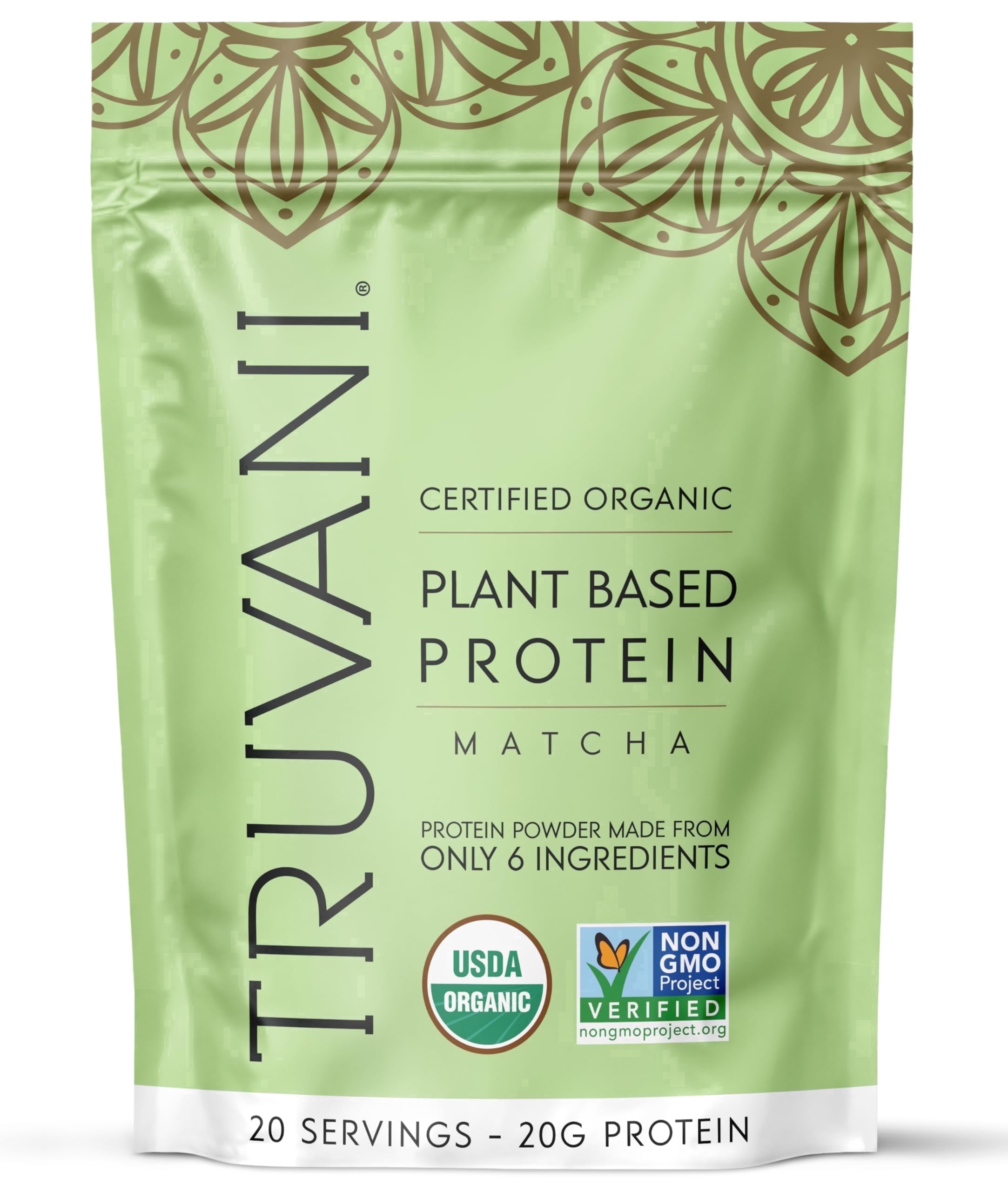
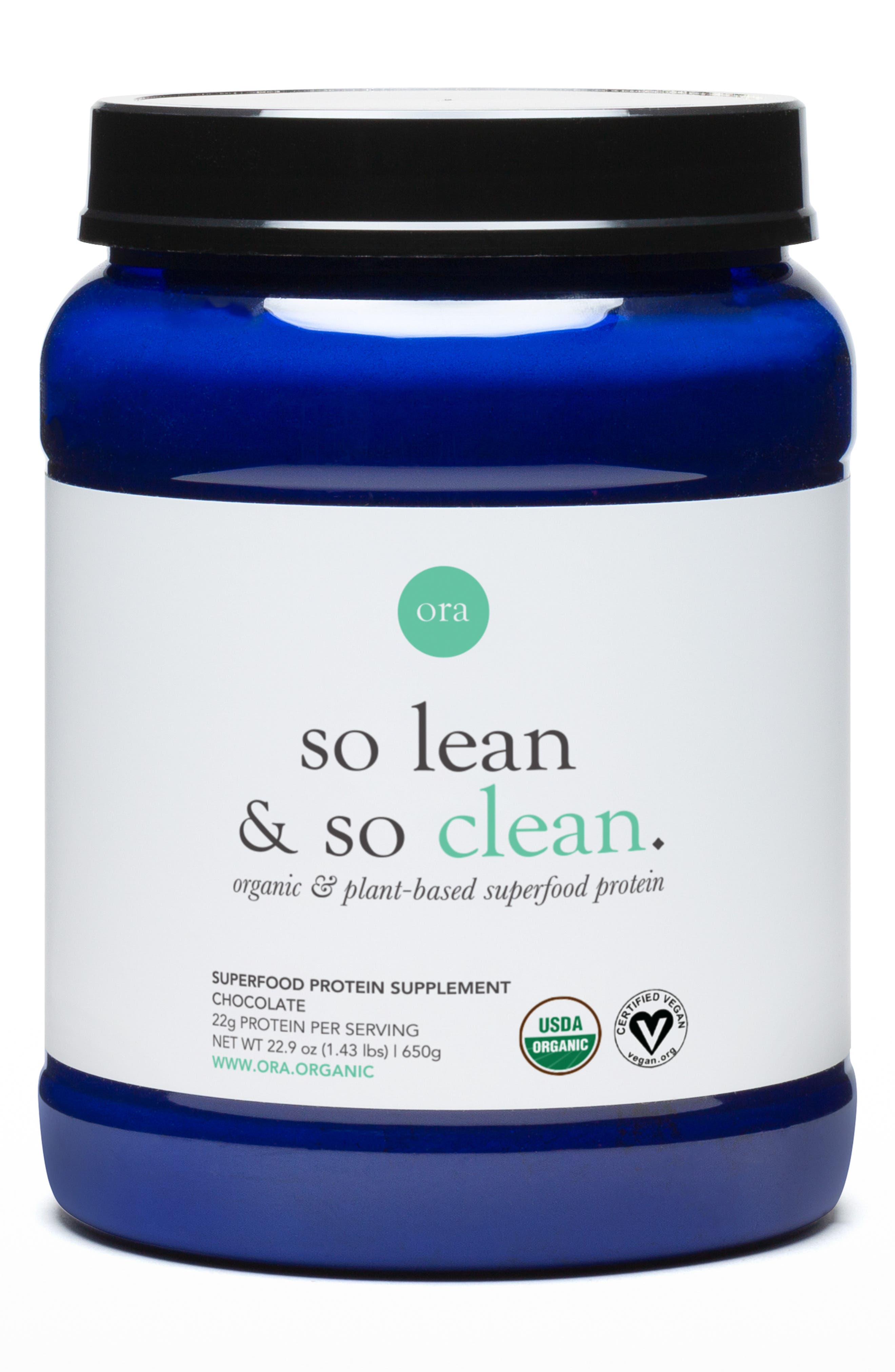
This plant-based protein powder contains beneficial protein sources like pea and brown rice protein isolates, which are good for muscle building. However, the inclusion of high oleic sunflower oil and natural flavors raises concerns due to their processing and potential health impacts. The product is also highly processed, which detracts from its overall healthiness despite the presence of quality protein ingredients.
Key ingredients 9
WaterNeutral
Water is a neutral ingredient that serves as a base for the product. It is essential for hydration but does not contribute any nutritional value. It is a common ingredient in beverages and supplements.
See more about Water →Pea Protein IsolateNeutral
Pea protein isolate is a plant-based protein source that provides a good amino acid profile. It is less allergenic compared to soy and dairy proteins. However, it may not be as complete as animal-based proteins.
Benefits
Provides a plant-based protein option that is suitable for vegans and those with dairy allergies.
Canola Protein IsolateNeutral
Canola protein isolate is a plant-based protein derived from canola seeds. It is a relatively new protein source with a decent amino acid profile. However, it is less studied compared to other protein isolates.
Benefits
Offers an alternative plant-based protein source with potential nutritional benefits.
Brown Rice Protein IsolateNeutral
Brown rice protein isolate is a plant-based protein that is hypoallergenic and easily digestible. It is often combined with other proteins to improve amino acid profiles. However, it is not as complete as animal-based proteins.
Benefits
Provides a hypoallergenic protein source suitable for those with dietary restrictions.
Potassium PhosphateNeutral
Potassium phosphate is used as a stabilizer and electrolyte source. It helps maintain pH balance and supports muscle function. However, excessive intake can lead to imbalances in mineral levels.
Risks
Excessive consumption may lead to mineral imbalances and affect kidney function.
Benefits
Provides essential electrolytes that support muscle function and hydration.
SodiumNeutral
Sodium is an essential mineral that helps regulate fluid balance and nerve function. It is necessary for health but should be consumed in moderation to avoid hypertension. It is commonly added to enhance flavor.
Risks
Excessive sodium intake can lead to high blood pressure and cardiovascular issues.
Benefits
Essential for maintaining fluid balance and proper nerve and muscle function.
SugarBad
Refined added sugar.
Risks
Excessive sugar intake can contribute to weight gain and increase the risk of metabolic diseases.
Benefits
Provides energy and enhances the flavor of the product.
Natural FlavorBad
Natural flavors are often used to enhance taste but can be a catch-all term for various additives. They lack transparency and may include processed ingredients. This can be concerning for those with allergies or sensitivities.
Risks
Potential allergen risk due to undisclosed components and lack of transparency.
High Oleic Sunflower OilVery Bad
High oleic sunflower oil is a seed oil high in monounsaturated fats but still considered harmful due to its processing and omega-6 content. Seed oils are often highly processed and can contribute to inflammation.
Risks
High omega-6 content may promote inflammation when consumed in excess.
Benefits
Rich in monounsaturated fats that support heart health and provide anti-inflammatory properties.
Processing
Ultra-Processed Foods
Get the full breakdown in the Scout appTake Scout shopping
Scan any product to see lab results, healthy alternatives, and your personalized analysis.
Download on theApp Store GET IT ONGoogle Play