



At a glance
Summary
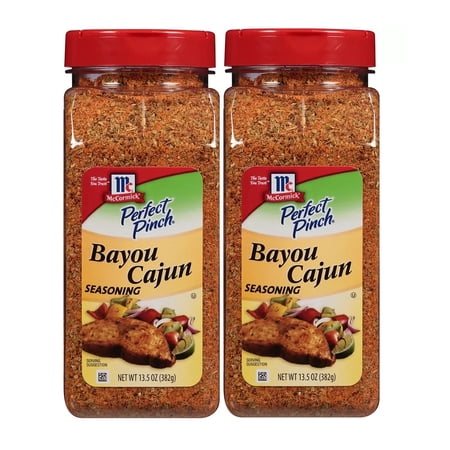
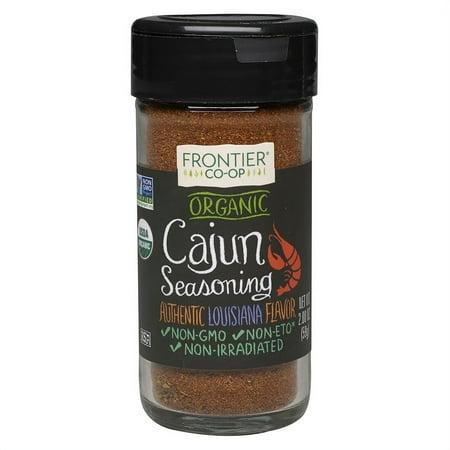
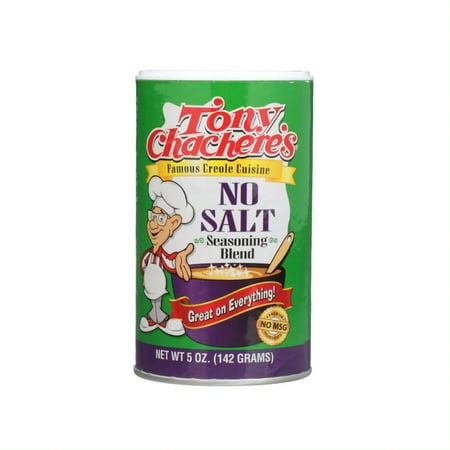
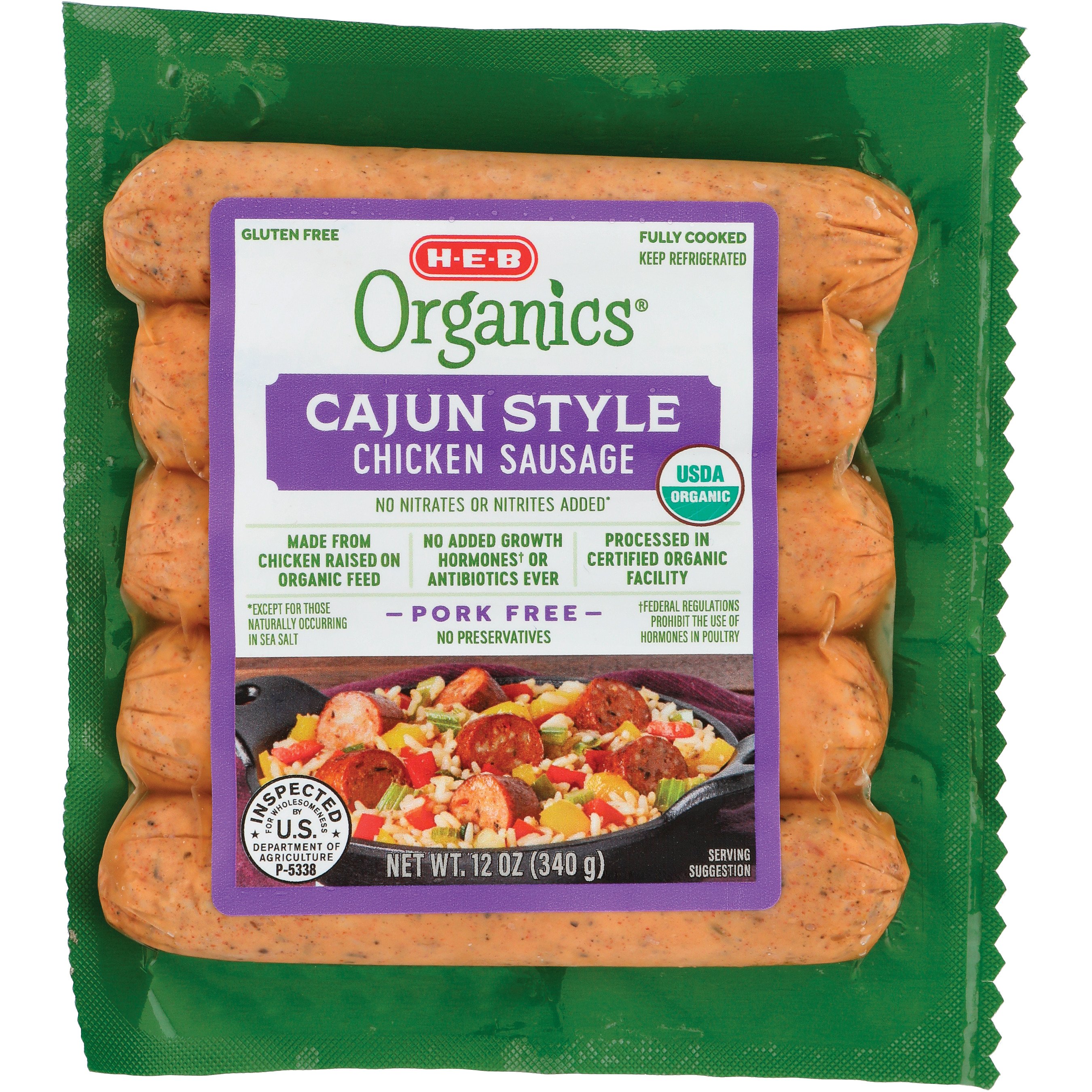
This product consists of simple, whole ingredients such as garlic, spices, onion, paprika, and red pepper, which are known for their health benefits and minimal processing. The absence of harmful additives or seed oils contributes positively to its rating. However, as a processed food, its score is capped, but the clean ingredient list allows it to reach the upper limit of this category.
Key ingredients 6
GarlicGood
Garlic is known for its potential health benefits, including antimicrobial and antioxidant properties. It contains allicin, which may help reduce inflammation and improve cardiovascular health. Fresh garlic is minimally processed, retaining its beneficial compounds.
Risks
Some individuals may experience digestive discomfort or allergic reactions to garlic.
Benefits
Garlic may support heart health and boost the immune system due to its antioxidant and anti-inflammatory properties.
SpicesGood
Spices are rich in antioxidants and can enhance the flavor of foods without adding calories. They often contain bioactive compounds that may have anti-inflammatory and health-promoting effects. The variety of spices used can provide a broad spectrum of health benefits.
Risks
Excessive consumption of certain spices may cause gastrointestinal irritation in sensitive individuals.
Benefits
Spices can improve digestion and provide antioxidant benefits, contributing to overall health.
OnionGood
Onion is a nutrient-rich vegetable that provides vitamins, minerals, and antioxidants. It contains quercetin, which may have anti-inflammatory and heart health benefits. Onions are typically consumed fresh or minimally processed, preserving their nutritional value.
Risks
Some individuals may experience digestive discomfort or allergic reactions to onions.
Benefits
Onions may support heart health and provide antioxidant benefits due to their quercetin content.
PaprikaGood
Paprika is a spice made from ground peppers, rich in vitamins A and E, and antioxidants. It adds color and flavor to dishes while providing potential anti-inflammatory benefits. The drying and grinding process retains most of its nutritional properties.
Benefits
Paprika is a source of antioxidants and vitamins, contributing to its potential health benefits.
Red pepperGood
Red pepper, often used in its dried form as chili powder, is rich in capsaicin, which may boost metabolism and reduce inflammation. It adds heat and flavor to dishes while providing potential health benefits. The drying process concentrates its beneficial compounds.
Risks
Excessive consumption may cause digestive irritation or discomfort in sensitive individuals.
Benefits
Red pepper may support metabolism and provide anti-inflammatory benefits due to its capsaicin content.
SaltNeutral
Salt is a common seasoning that enhances flavor but should be consumed in moderation. It is a source of sodium, which is essential for fluid balance and nerve function. However, excessive intake can lead to health issues such as hypertension.
Risks
High sodium intake is associated with increased risk of hypertension and cardiovascular disease.
Benefits
Salt is necessary for maintaining electrolyte balance and proper muscle function.
Processing
Processed Foods
Get the full breakdown in the Scout appTake Scout shopping
Scan any product to see lab results, healthy alternatives, and your personalized analysis.
Download on theApp Store GET IT ONGoogle Play