



At a glance
Summary
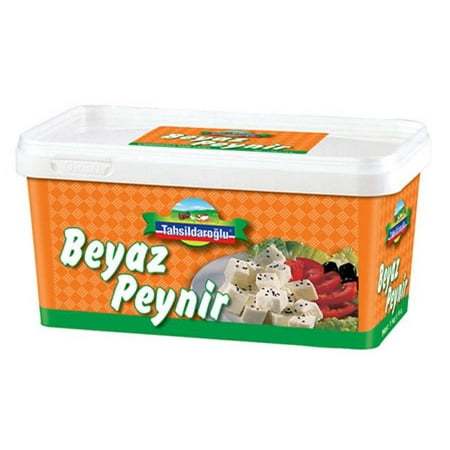
This feta cheese is made from pasteurized sheep's milk, lactic acid bacteria, and sea salt, which are all high-quality ingredients contributing to its nutritional value. The presence of beneficial probiotics and minimal additives supports its health benefits. Despite being processed, the clean ingredient list and traditional cheese-making process allow it to score well within its category.
Key ingredients 5
Pasteurized sheep's milkGood
Sheep's milk is rich in protein and essential nutrients like calcium and vitamin B12. Pasteurization ensures safety by eliminating harmful bacteria. It provides a creamy texture and distinct flavor profile compared to cow's milk.
Benefits
High in protein and essential nutrients, supporting bone health and metabolic functions. Offers a unique flavor and texture that enhances culinary applications.
Lactic acid bacteriaGood
Lactic acid bacteria are beneficial probiotics that aid in digestion and gut health. They are essential in the fermentation process of cheese, contributing to flavor and texture. These bacteria can enhance the immune system and improve lactose digestion.
Benefits
Supports gut health and digestion through probiotic activity. Contributes to the development of cheese flavor and texture.
RennetGood
Beneficial ingredient — whole-food or functional value in this product class.
Benefits
Essential for the cheese-making process, allowing milk to form curds and whey.
Sea saltGood
Sea salt is a natural source of sodium and trace minerals, used for flavor and preservation. It is less processed than table salt, retaining more minerals. Sea salt enhances the taste and shelf-life of cheese.
Risks
Excessive sodium intake can lead to hypertension and cardiovascular issues.
Benefits
Provides essential sodium and trace minerals, enhancing flavor and preservation of food.
WaterNeutral
Water is used as a solvent in the brine solution for cheese preservation. It is a neutral ingredient with no direct nutritional impact. Its primary role is to dissolve salt and maintain cheese moisture.
See more about Water →Processing
Processed Foods
Get the full breakdown in the Scout appTake Scout shopping
Scan any product to see lab results, healthy alternatives, and your personalized analysis.
Download on theApp Store GET IT ONGoogle Play