



At a glance
Summary
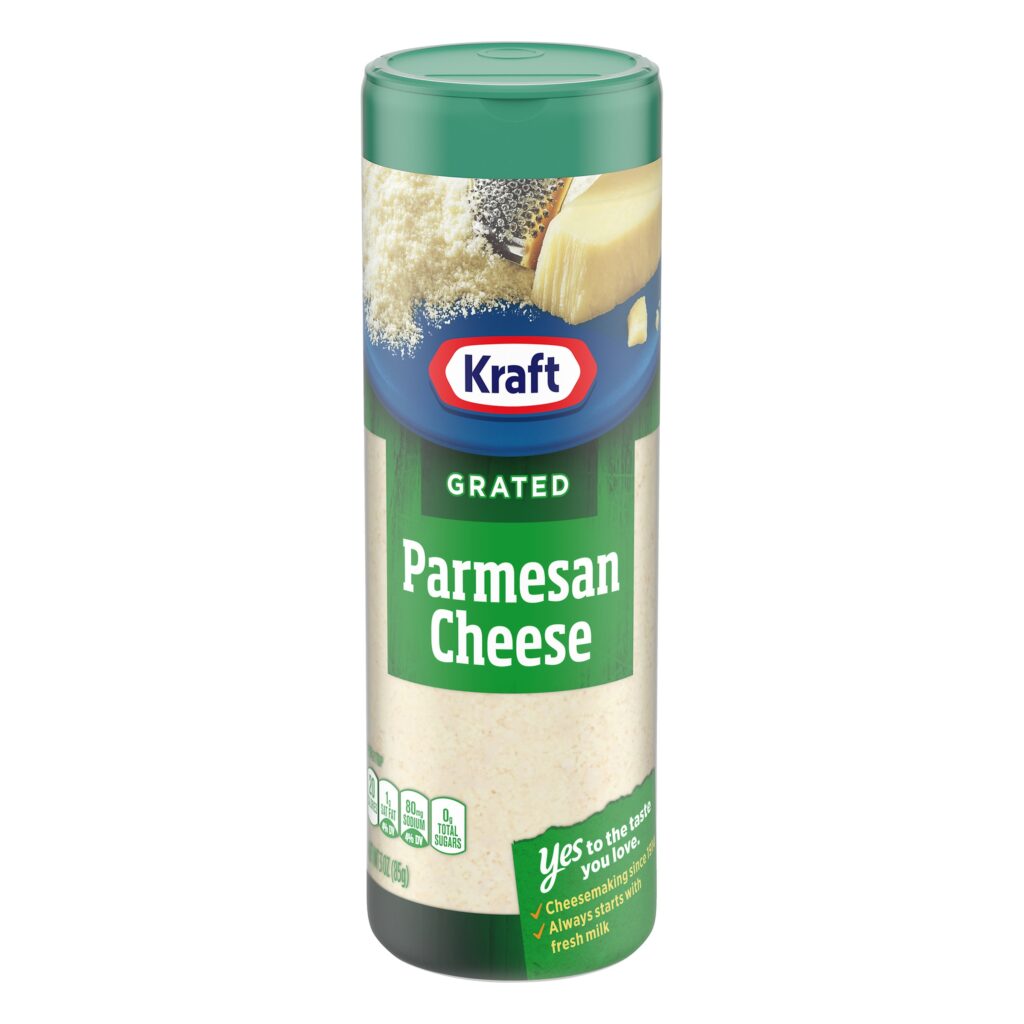
This finely shredded Parmesan cheese is a processed product with a clean ingredient list, primarily consisting of traditional cheese-making components like pasteurized milk, cheese culture, salt, and enzymes. The addition of natamycin as a natural mold inhibitor is a minor concern, but it does not significantly detract from the overall quality. The product's processing level limits its score, but it remains a good source of protein and calcium.
Key ingredients 3
Parmesan cheeseGood
Parmesan cheese is a high-quality source of protein and calcium, beneficial for bone health. It is made from pasteurized part-skim milk, cheese culture, salt, and enzymes, which are traditional cheese-making ingredients. The aging process enhances its flavor and nutritional profile.
Risks
Contains lactose, which may be a concern for individuals with lactose intolerance.
Benefits
Rich in protein and calcium, supporting muscle and bone health. Contains beneficial bacteria from cheese cultures that may aid digestion.
Anticaking agentNeutral
Anticaking agents like potato starch, corn starch, and calcium sulfate prevent clumping in shredded cheese. These are generally recognized as safe and used in small amounts. They do not significantly alter the nutritional profile of the cheese.
Benefits
Helps maintain the texture and usability of shredded cheese by preventing clumping.
NatamycinBad
Natamycin is a natural mold inhibitor used to extend the shelf life of cheese. While it is effective in preventing spoilage, its use as a preservative may be unnecessary in fresh, high-quality cheese. Overuse of preservatives can lead to reduced food quality perception.
Risks
Potential for allergic reactions in sensitive individuals, though generally considered safe in small amounts.
Benefits
Prevents mold growth, extending the shelf life of cheese without altering its flavor.
Processing
Processed Foods
Get the full breakdown in the Scout appTake Scout shopping
Scan any product to see lab results, healthy alternatives, and your personalized analysis.
Download on theApp Store GET IT ONGoogle Play