


At a glance
Summary
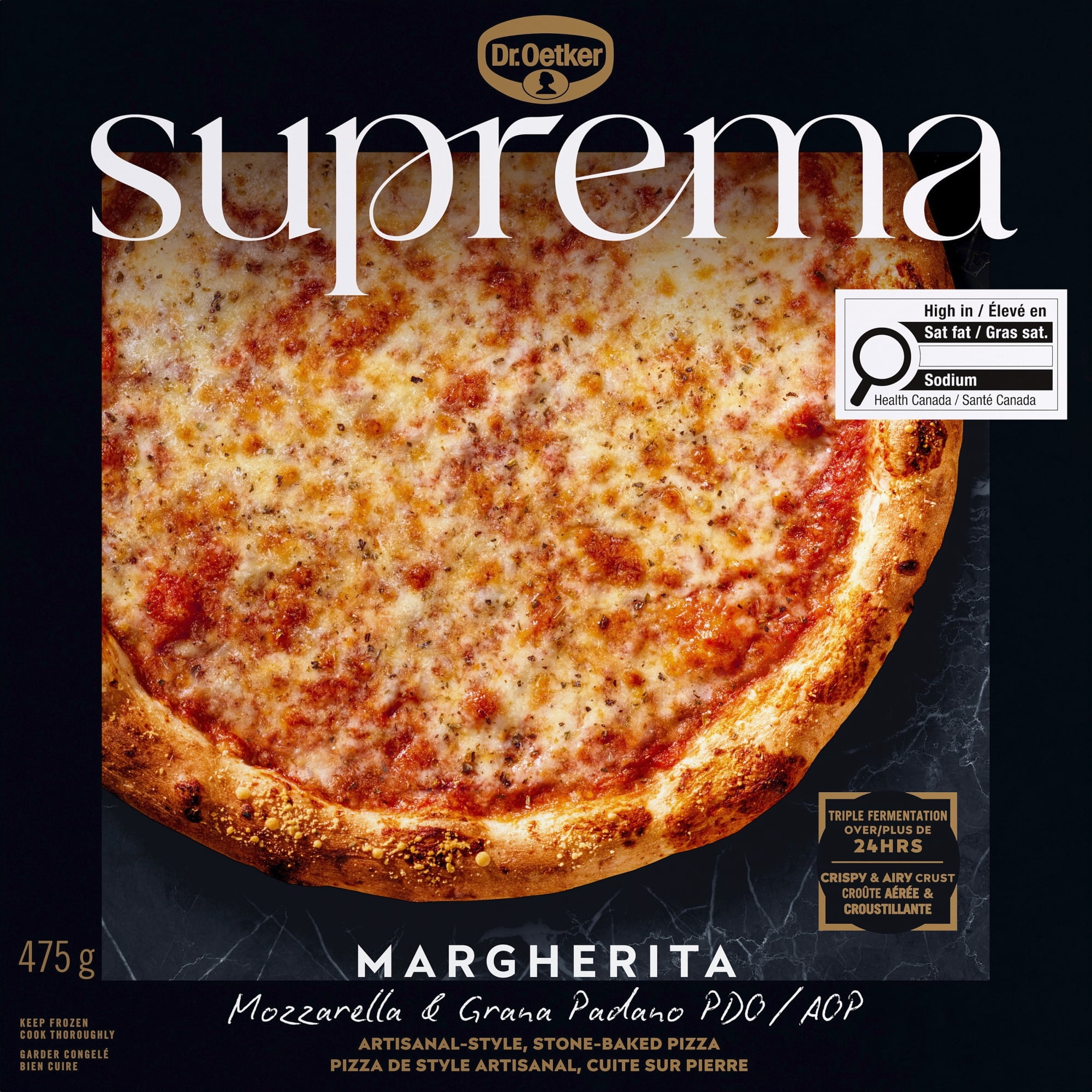
This pizza features a relatively clean ingredient list with beneficial components like tomato purée, mozzarella, and pecorino cheese, which provide essential nutrients and flavor. The use of extra virgin olive oil is a positive aspect, contributing healthy fats and antioxidants. Despite being processed, the absence of harmful additives and the inclusion of high-quality ingredients support a favorable rating within its category.
Key ingredients 10
Extra virgin olive oilVery Good
High-quality monounsaturated fat with anti-inflammatory properties. Contains antioxidants that support heart health. Cold-pressed extraction preserves beneficial compounds.
Benefits
Rich in monounsaturated fats that support heart health and provide anti-inflammatory properties. Contains antioxidants like vitamin E and polyphenols that may reduce oxidative stress.
Tomato puréeGood
Tomato purée is rich in vitamins A and C, as well as antioxidants like lycopene. It is minimally processed, retaining most of its nutritional benefits. Lycopene has been linked to reduced risk of heart disease and certain cancers.
Benefits
Rich in antioxidants and vitamins that support immune function and may reduce inflammation.
Mozzarella cheeseGood
Mozzarella cheese is a good source of protein and calcium, essential for bone health. It is less processed compared to many other cheeses, retaining more natural nutrients. The cheese provides a creamy texture and flavor to dishes.
Risks
Contains lactose, which may be problematic for those with lactose intolerance.
Benefits
Provides protein and calcium, supporting muscle and bone health.
Pecorino cheeseGood
Pecorino cheese is a flavorful cheese made from sheep's milk, rich in protein and calcium. It is aged, which enhances its flavor and nutritional profile. The cheese adds a distinct taste and nutritional benefits to dishes.
Risks
May contain lactose, which can be an issue for those with lactose intolerance.
Benefits
Rich in protein and calcium, supporting bone health and providing a unique flavor.
BasilGood
Basil is a fresh herb that adds flavor and aroma to dishes. It contains antioxidants and essential oils that may have anti-inflammatory properties. Fresh herbs like basil enhance the nutritional profile of meals.
Benefits
Rich in antioxidants and essential oils that may support health and reduce inflammation.
OreganoGood
Oregano is a herb known for its strong flavor and potential health benefits. It contains antioxidants and compounds that may have antimicrobial properties. Enhances the flavor and nutritional value of dishes.
Benefits
Contains antioxidants and may have antimicrobial properties, supporting overall health.
WaterNeutral
Water is used as a solvent and to adjust the consistency of the dough. It is a neutral ingredient with no nutritional value. Essential for hydration and processing in food production.
See more about Water →SaltNeutral
Salt is used to enhance flavor and as a preservative. It is a refined ingredient with no additional nutritional benefits. Excessive consumption can lead to health issues such as high blood pressure.
Risks
High sodium intake can contribute to hypertension and cardiovascular issues.
Benefits
Essential for flavor enhancement and preservation in food.
YeastNeutral
Yeast is a microorganism used in baking to leaven dough. It is a natural ingredient that helps bread rise and develop flavor. Provides some B vitamins and minerals in small amounts.
Benefits
Contributes to the leavening process and flavor development in baked goods.
Wheat flourBad
Refined grain flour stripped of bran and germ.
Risks
May contribute to blood sugar spikes and is a common allergen for those with gluten sensitivity or celiac disease.
Benefits
Provides essential carbohydrates for energy, though whole grain options are more nutritious.
Processing
Processed Foods
Get the full breakdown in the Scout appTake Scout shopping
Scan any product to see lab results, healthy alternatives, and your personalized analysis.
Download on theApp Store GET IT ONGoogle Play