
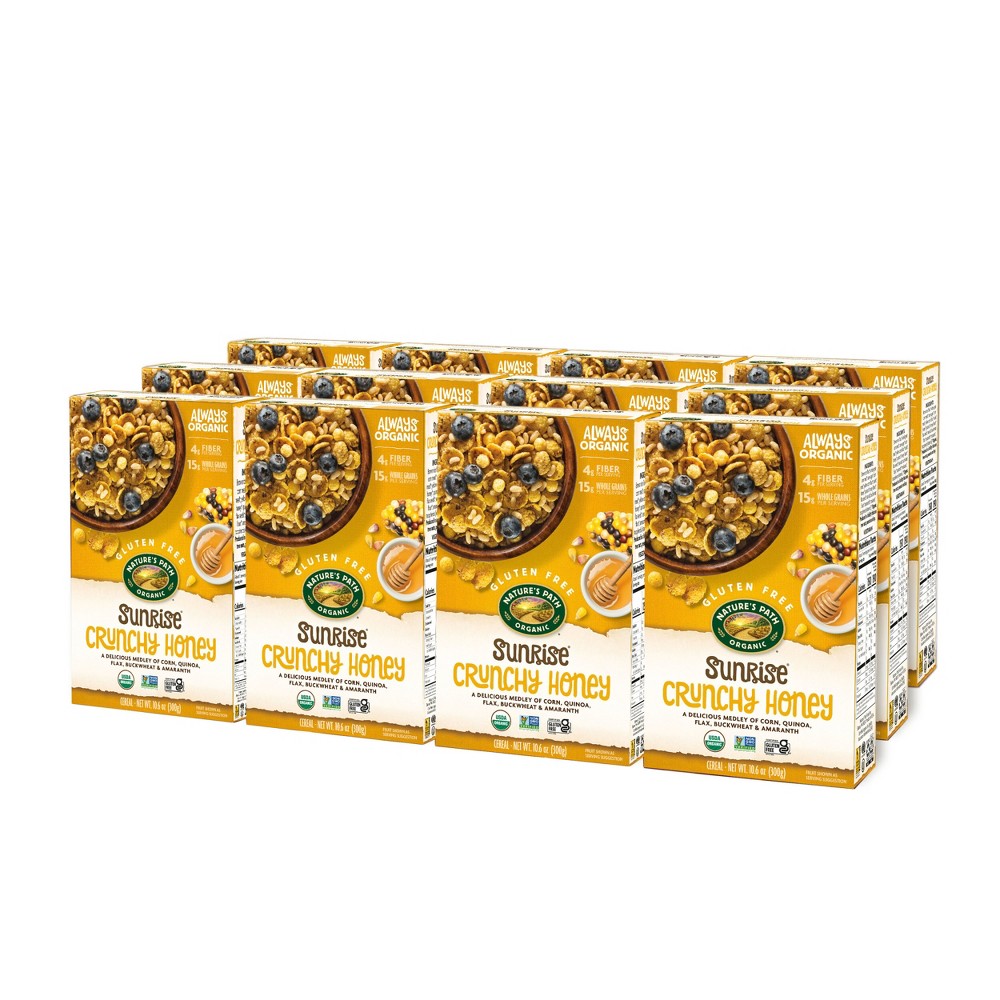
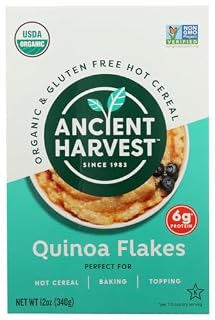

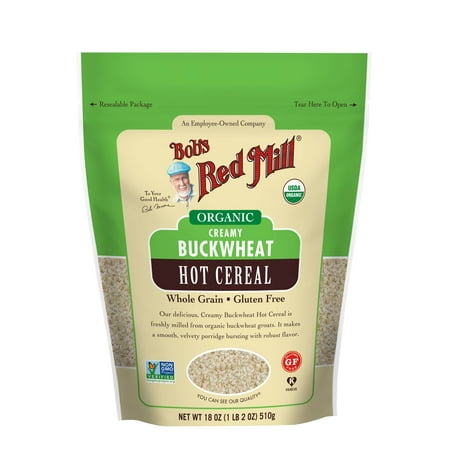

CORN, QUINOA, FLAX, BUCKWHEAT & AMARANTH CEREAL
Summary
This cereal contains several beneficial whole grain ingredients like quinoa, flax seeds, and amaranth, which provide fiber and essential nutrients. However, it is heavily processed and includes added sugars and unspecified flavoring agents, which detract from its overall healthiness. The presence of these processed elements and added sugars limits its score despite the nutritious components.
At a glance
Key ingredients 15
Brown rice flourGood
Brown rice flour is a whole grain flour that retains the bran and germ, providing more nutrients than refined flours. It is a good source of fiber and essential minerals. Its mild flavor makes it versatile for various recipes.
Benefits
Provides dietary fiber and essential minerals like magnesium and phosphorus, supporting digestive health and bone strength.
Whole grain corn mealGood
Whole grain corn meal is made from the entire kernel, preserving its nutrients and fiber content. It is a source of complex carbohydrates and provides energy. The whole grain aspect contributes to better nutrient retention compared to refined corn products.
Benefits
Rich in fiber and essential nutrients, supporting digestive health and providing sustained energy.
Cane sugarBad
Cane sugar is a refined sugar that contributes to increased calorie intake without providing essential nutrients. Excessive consumption can lead to health issues such as obesity and dental problems. It is often used for sweetness but lacks nutritional benefits.
Risks
High intake can lead to obesity, insulin resistance, and dental cavities.
Corn mealNeutral
Corn meal is a ground form of corn that provides carbohydrates and some fiber. It is less nutritious than whole grain corn meal due to the removal of the germ and bran. It is commonly used in baking and cooking for texture and flavor.
Benefits
Provides carbohydrates for energy but lacks significant nutritional benefits compared to whole grain options.
Yellow corn flourNeutral
Yellow corn flour is a finely ground form of corn that is often used in baking and cooking. It provides carbohydrates and some vitamins but is less nutritious than whole grain corn products. It is valued for its texture and color in recipes.
Benefits
Provides carbohydrates and some vitamins, though less nutritious than whole grain alternatives.
InulinGood
Inulin is a type of soluble fiber that acts as a prebiotic, promoting healthy gut bacteria. It can improve digestive health and enhance mineral absorption. It is often added to foods to increase fiber content without altering taste.
Risks
Excessive consumption may cause digestive discomfort in some individuals.
Benefits
Supports digestive health by promoting beneficial gut bacteria and improving mineral absorption.
HoneyNeutral
Honey is a natural sweetener that contains small amounts of vitamins and antioxidants. It is often used as a healthier alternative to refined sugars. However, it is still high in sugars and should be consumed in moderation.
Risks
High sugar content can contribute to weight gain and blood sugar spikes if consumed in excess.
Benefits
Contains antioxidants and has antibacterial properties, offering some health benefits over refined sugars.
QuinoaVery Good
Quinoa is a nutrient-dense seed that is high in protein and contains all nine essential amino acids. It is also rich in fiber, vitamins, and minerals. Its versatility and nutritional profile make it a popular choice for health-conscious diets.
Benefits
Provides complete protein and essential nutrients, supporting muscle health and overall nutrition.
Flax seedsVery Good
Flax seeds are rich in omega-3 fatty acids, fiber, and lignans, which have antioxidant properties. They support heart health and may reduce inflammation. Ground flax seeds are better absorbed by the body compared to whole seeds.
Benefits
Rich in omega-3 fatty acids and fiber, supporting heart health and reducing inflammation.
FlavorBad
The term 'flavor' is often used to denote a mixture of natural and artificial flavoring agents. It lacks transparency and may include additives that are not disclosed. This can be concerning for individuals with allergies or sensitivities.
Risks
Potential for undisclosed additives and allergens, which may cause reactions in sensitive individuals.
Buckwheat flourGood
Buckwheat flour is a gluten-free flour rich in fiber, protein, and essential nutrients like magnesium and manganese. It supports heart health and provides a good source of energy. Its nutty flavor enhances the taste of baked goods.
Benefits
Rich in fiber and essential nutrients, supporting heart health and providing energy.
Sea saltGood
Unrefined sea salt — a minimally processed, natural source of sodium and essential trace minerals, and a legitimate whole-food seasoning. Treated as a positive ingredient.
Risks
Excessive sodium intake can lead to high blood pressure and cardiovascular issues.
Benefits
Contains trace minerals and enhances flavor, though benefits are minimal compared to potential risks of overconsumption.
AmaranthVery Good
Amaranth is a highly nutritious grain that is rich in protein, fiber, and essential micronutrients like iron and magnesium. It is gluten-free and supports digestive health and muscle function. Its high nutrient density makes it a valuable addition to a balanced diet.
Benefits
Provides high-quality protein and essential nutrients, supporting overall health and nutrition.
MolassesNeutral
Molasses is a byproduct of sugar refining that contains some vitamins and minerals. It is used as a natural sweetener and flavor enhancer. While it offers more nutrients than refined sugar, it is still high in sugar content.
Risks
High sugar content can contribute to weight gain and blood sugar spikes if consumed in excess.
Benefits
Contains some vitamins and minerals, offering more nutrients than refined sugar.
Tocopherols (vitamin e)Good
Tocopherols are a form of vitamin E, an antioxidant that helps protect cells from oxidative damage. It supports immune function and skin health. Often used as a natural preservative in foods due to its antioxidant properties.
Benefits
Acts as an antioxidant, supporting immune function and protecting cells from damage.
Processing
Ultra-Processed Foods
Get the full breakdown in the Scout app
Scan any product to see lab results, healthy alternatives, and your personalized analysis.
Download on theApp Store