


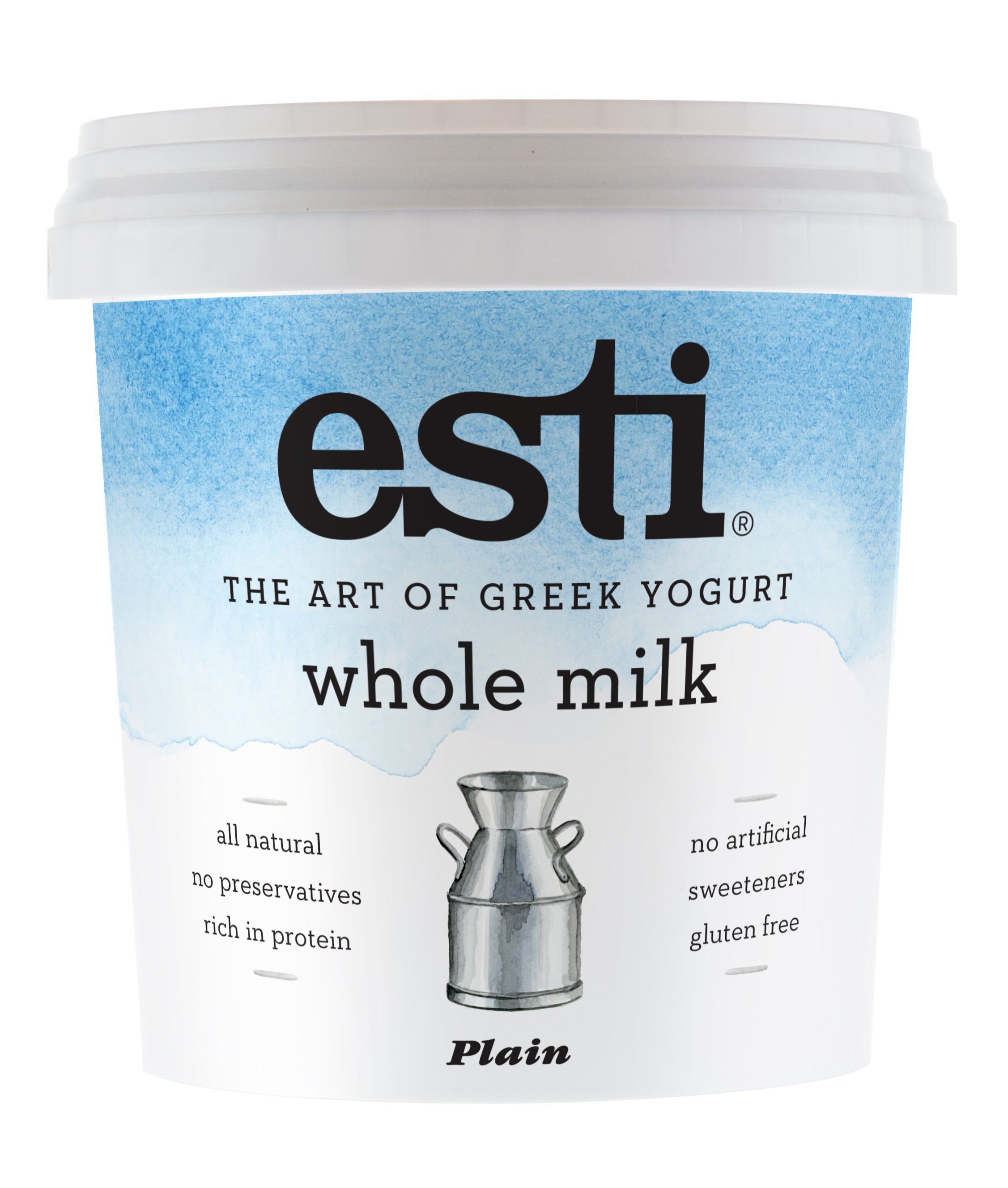
At a glance
Summary
This plain yogurt contains beneficial ingredients such as whole milk, milk proteins, and active bacterial cultures, which provide essential nutrients and probiotics for gut health. However, despite its good nutritional profile, the product is classified as ultra-processed due to its processing level, which limits its maximum score. The absence of harmful additives or artificial ingredients helps maintain a relatively high score within the constraints of its processing category.
Key ingredients 4
Whole milkGood
Whole milk is a source of high-quality protein and essential nutrients like calcium and vitamin D. It is minimally processed, retaining its natural fat content which can support satiety and nutrient absorption. Compared to skim milk, it provides a richer flavor and texture.
Risks
Whole milk contains saturated fats, which may be a concern for individuals with specific dietary restrictions or heart health issues.
Benefits
Rich in calcium and vitamin D, supporting bone health. Provides high-quality protein and healthy fats that can aid in satiety and nutrient absorption.
Milk proteinsGood
Milk proteins are a concentrated source of essential amino acids necessary for muscle repair and growth. They are derived from milk and retain the nutritional benefits of dairy proteins. Compared to plant-based proteins, they offer a more complete amino acid profile.
Risks
Potential allergen for individuals with milk protein allergies or lactose intolerance.
Benefits
Rich in essential amino acids, supporting muscle repair and growth. Provides a complete protein source with high bioavailability.
Active bacterial cultureGood
Active bacterial cultures are beneficial probiotics that support gut health and digestion. They are naturally present in yogurt and contribute to its tangy flavor and creamy texture. Regular consumption can enhance the gut microbiome and improve digestive health.
Benefits
Supports gut health and digestion through beneficial probiotics. Can enhance the gut microbiome and improve overall digestive health.
Skim milkNeutral
Skim milk is a low-fat dairy option that provides protein and calcium without the fat content of whole milk. It undergoes processing to remove fat, which may reduce the flavor and creaminess. It is often used to lower the calorie content of dairy products.
Benefits
Provides protein and calcium with reduced fat content, making it suitable for low-fat diets.
Processing
Ultra-Processed Foods
Get the full breakdown in the Scout appTake Scout shopping
Scan any product to see lab results, healthy alternatives, and your personalized analysis.
Download on theApp Store GET IT ONGoogle Play