



At a glance
Summary
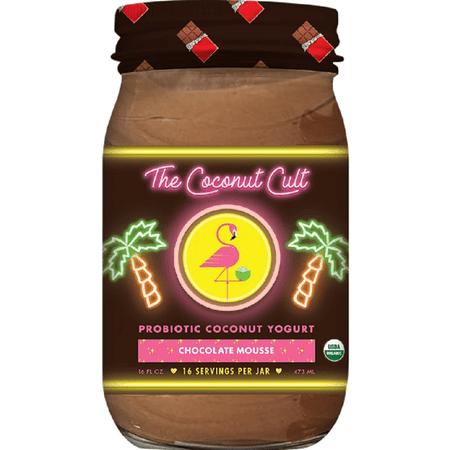
This product contains beneficial ingredients like coconut milk, blueberries, and elderberry, which provide healthy fats and antioxidants. However, it is classified as ultra-processed due to the inclusion of raw cane sugar and multiple starches, which detract from its overall healthfulness. The presence of refined sugar and the level of processing limit its score despite the presence of some nutritious components.
Key ingredients 9
BlueberriesVery Good
Blueberries are rich in antioxidants, particularly anthocyanins, which support heart health and reduce inflammation. They are minimally processed and retain their natural nutrients. Consuming blueberries can improve cognitive function and support overall health.
Benefits
High in antioxidants that support heart health and reduce inflammation. May improve cognitive function and provide essential vitamins and minerals.
Coconut milkGood
Coconut milk is a source of healthy fats, particularly medium-chain triglycerides (MCTs), which can provide quick energy. It is minimally processed and often used in organic products. The presence of MCTs may support metabolism and weight management.
Risks
Excessive consumption may lead to increased calorie intake and potential weight gain.
Benefits
Rich in MCTs that can support energy levels and metabolism. Provides a creamy texture and flavor without the need for dairy.
LemonGood
Lemon is a natural source of vitamin C and antioxidants, supporting immune health and providing a fresh flavor. It is minimally processed and often used in organic products. The acidity of lemon can enhance flavor and preserve freshness.
Benefits
Rich in vitamin C and antioxidants that support immune health. Provides a natural, refreshing flavor and aids in preservation.
ElderberryGood
Elderberry is known for its high antioxidant content, particularly anthocyanins, which support immune health and reduce inflammation. It is minimally processed and often used in natural remedies. Elderberry may help reduce the severity and duration of cold and flu symptoms.
Benefits
High in antioxidants that support immune health and reduce inflammation. May help alleviate cold and flu symptoms.
Vegan yogurt culturesGood
Vegan yogurt cultures are beneficial bacteria that support gut health and digestion. They are used to ferment plant-based yogurts, providing probiotics without dairy. These cultures can improve gut flora balance and enhance digestive health.
Benefits
Supports gut health and digestion through beneficial probiotics. Suitable for those avoiding dairy.
Corn starchNeutral
Corn starch is a common thickening agent used in many food products. It is highly processed and provides no significant nutritional benefits. It is used to improve texture and consistency in food products.
See more about Corn starch →Tapioca starchNeutral
Tapioca starch is a gluten-free thickening agent derived from cassava root. It is processed to remove impurities and improve texture in food products. It is often used in gluten-free cooking due to its neutral flavor and thickening properties.
Benefits
Provides a gluten-free alternative for thickening and improving texture in food products.
Locust bean gumNeutral
Locust bean gum is a natural thickening agent derived from carob seeds. It is minimally processed and used to stabilize and thicken food products. It is often used in organic and natural products due to its plant-based origin.
Risks
May cause digestive discomfort in sensitive individuals when consumed in large amounts.
Benefits
Provides a natural thickening and stabilizing effect in food products. Suitable for use in organic and natural formulations.
Raw cane sugarBad
Raw cane sugar is a refined sugar that contributes to increased calorie intake without providing essential nutrients. It is processed to remove impurities but still retains some molasses content. Excessive consumption can lead to health issues such as obesity and diabetes.
Risks
High sugar intake is associated with increased risk of obesity, type 2 diabetes, and dental cavities.
Benefits
Provides a natural sweetness and some trace minerals from retained molasses, but these benefits are minimal compared to the risks.
Processing
Ultra-Processed Foods
Get the full breakdown in the Scout appTake Scout shopping
Scan any product to see lab results, healthy alternatives, and your personalized analysis.
Download on theApp Store GET IT ONGoogle Play