
:format(jpg)/d2lnr5mha7bycj.cloudfront.net/product-image/file/large_4dd0cb05-9b18-4332-bf4f-0bf8c3a2b6c4.jpg)


At a glance
Summary
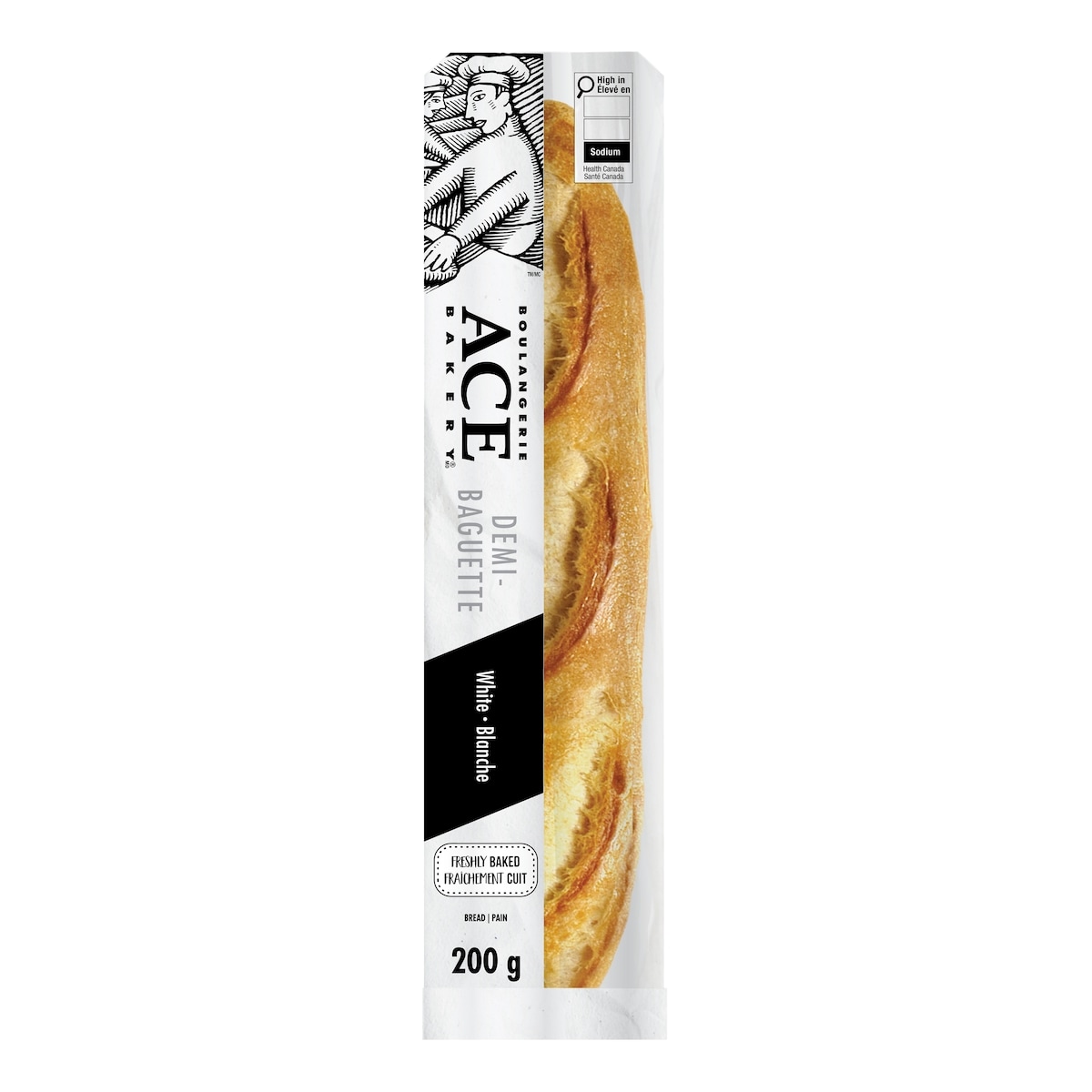
The white baguette is made with enriched flour, which is refined and lacks the nutrients found in whole grains, and contains added sugar, contributing to its processed nature. While it does not contain seed oils or artificial additives, the presence of refined ingredients and moderate processing level limits its health benefits compared to more wholesome bread options. The use of synthetic vitamins to fortify the flour does not fully compensate for the loss of natural nutrients during processing.
Key ingredients 17
NiacinGood
Beneficial ingredient — whole-food or functional value in this product class.
Benefits
Supports energy metabolism and skin health.
RiboflavinGood
Essential B vitamin — beneficial micronutrient.
Benefits
Supports energy production and cellular function.
Ascorbic AcidGood
Vitamin C — beneficial even when serving as a preservative.
Benefits
Improves dough quality and handling.
Barley MaltNeutral
Barley malt is used as a sweetener and flavor enhancer in baked goods. It is derived from barley grains and contains some vitamins and minerals. However, it is primarily a source of sugar and should be consumed in moderation.
Risks
Excessive consumption can contribute to increased sugar intake, potentially leading to metabolic issues.
Benefits
Adds flavor and some micronutrients to baked goods.
Reduced IronNeutral
Reduced iron is added to enriched flour to replace iron lost during processing. It is essential for oxygen transport in the blood. However, it is not as easily absorbed as iron from animal sources.
Risks
Excessive iron intake can lead to toxicity, but this is rare from dietary sources alone.
Benefits
Essential for oxygen transport and energy production.
Thiamine MononitrateNeutral
Thiamine mononitrate is a synthetic form of vitamin B1 added to enriched flour. It is crucial for carbohydrate metabolism and nerve function. While beneficial, it is often added in synthetic form.
Benefits
Supports carbohydrate metabolism and nerve function.
Folic AcidNeutral
Folic acid is a synthetic form of vitamin B9 added to enriched flour. It is essential for DNA synthesis and cell division. While beneficial, it is often added in synthetic form.
Risks
Excessive intake of synthetic folic acid may mask vitamin B12 deficiency.
Benefits
Supports DNA synthesis and cell division.
WaterNeutral
Water is a fundamental ingredient in bread making, providing moisture and aiding in the mixing process. It is essential for the activation of yeast and gluten development. Water itself has no nutritional value but is crucial for the baking process.
Benefits
Essential for hydration and the baking process.
YeastNeutral
Yeast is a microorganism used in baking to leaven bread, creating a light and airy texture. It ferments sugars, producing carbon dioxide and alcohol. Yeast contributes to the flavor and texture of bread.
Benefits
Contributes to the leavening and flavor of bread.
SaltNeutral
Salt is used in bread to enhance flavor and control yeast activity. It is essential for the development of gluten structure. While necessary in small amounts, excessive salt intake can lead to health issues.
Risks
High salt intake can contribute to hypertension and cardiovascular disease.
Benefits
Enhances flavor and aids in gluten development.
Iodised SaltNeutral
Iodised salt is regular salt fortified with iodine, an essential mineral for thyroid function. It helps prevent iodine deficiency disorders. While beneficial for iodine intake, it should be consumed in moderation due to sodium content.
Risks
Excessive sodium intake can lead to hypertension and cardiovascular issues.
Benefits
Provides iodine, essential for thyroid health.
Potassium IodateNeutral
Potassium iodate is used to fortify salt with iodine, preventing deficiency. It is a stable form of iodine used in food processing. While beneficial for iodine intake, it should be consumed in moderation.
Risks
Excessive iodine intake can lead to thyroid dysfunction.
Benefits
Ensures adequate iodine intake, supporting thyroid health.
GlutenNeutral
Gluten is a protein found in wheat that provides elasticity and structure to bread. It is essential for the texture of baked goods. However, it can cause issues for those with gluten intolerance or celiac disease.
Risks
May cause digestive issues for individuals with gluten intolerance or celiac disease.
Benefits
Provides structure and elasticity to bread.
AntioxidantNeutral
Antioxidants are added to prevent oxidation and extend shelf life. They help maintain the quality of the product. While they have health benefits, the specific type and amount used in this product are not detailed.
Benefits
Helps preserve product quality and extend shelf life.
Enriched FlourBad
Enriched flour is refined and lacks the fiber and nutrients found in whole grains. It is often fortified with synthetic vitamins to replace lost nutrients. The refining process strips away beneficial components, making it less nutritious.
Risks
Consumption of refined flour can lead to spikes in blood sugar levels and may contribute to weight gain and metabolic issues.
Wheat FlourBad
Refined grain flour stripped of bran and germ.
Risks
May cause digestive issues for individuals with gluten intolerance or celiac disease.
Benefits
Provides carbohydrates and some protein, essential for energy and muscle maintenance.
SugarBad
Sugar is added to bread to enhance flavor and feed yeast. It is a refined carbohydrate that can contribute to metabolic issues when consumed in excess. While it aids in fermentation, it provides no essential nutrients.
Risks
Excessive sugar intake can lead to obesity, diabetes, and other metabolic disorders.
Processing
Processed Foods
Get the full breakdown in the Scout appTake Scout shopping
Scan any product to see lab results, healthy alternatives, and your personalized analysis.
Download on theApp Store GET IT ONGoogle Play