Bacon

At a glance
Summary
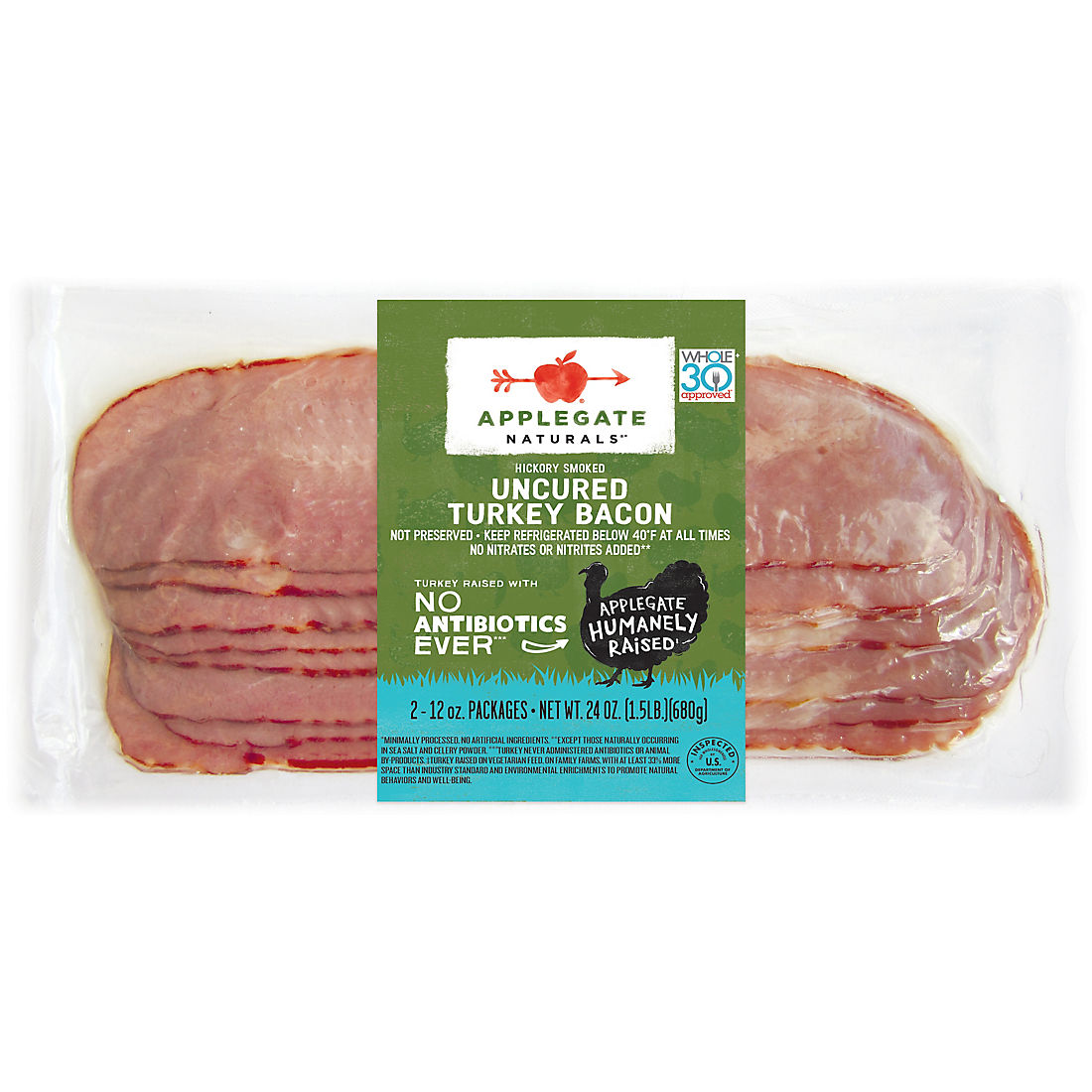
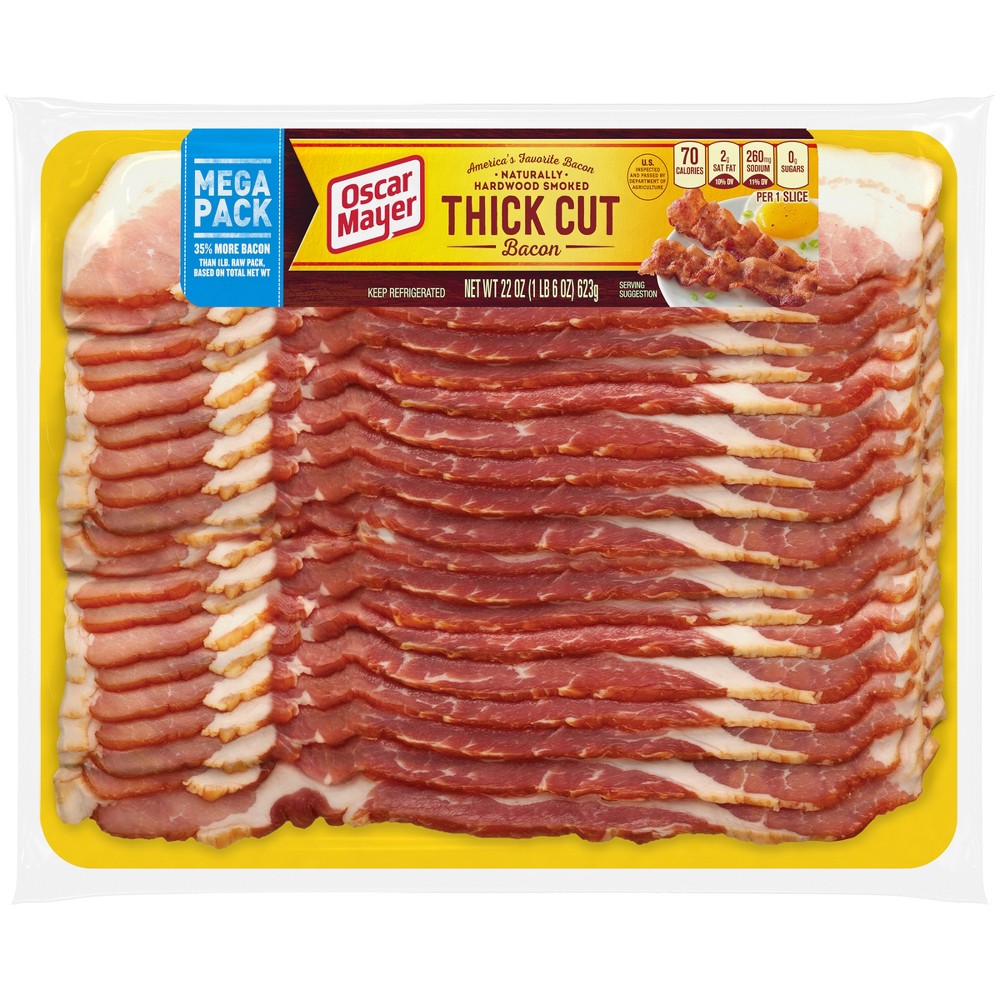
This bacon product is processed and contains added cane sugar, which is a refined sugar contributing to increased calorie intake. However, it uses sea salt, which is a minimally processed ingredient, and the overall ingredient list is relatively short and recognizable. The presence of cultured celery extract and natural spices adds to its flavor profile without introducing artificial additives. Its plastic packaging can shed microplastics into the food and lowers its score.
Key ingredients 7
Sea saltGood
Sea salt is a minimally processed source of sodium and trace minerals. It enhances flavor and aids in the preservation of bacon. Unlike refined salt, it retains some beneficial minerals.
Risks
Excessive sodium intake can lead to hypertension and cardiovascular issues.
Benefits
Provides essential sodium and trace minerals that are important for bodily functions.
PorkNeutral
Pork is a primary source of protein and fat in bacon. It provides essential amino acids and nutrients but can be high in saturated fats. The quality of pork can vary based on farming practices and feed.
Risks
High saturated fat content may contribute to cardiovascular issues if consumed in excess.
Benefits
Provides a good source of protein and essential nutrients like B vitamins and minerals.
WaterNeutral
Water is used in bacon to maintain moisture and texture. It is a neutral ingredient with no direct health impact. The presence of water helps in the curing process.
See more about Water →Cultured celery extractNeutral
Cultured celery extract is used as a natural preservative and source of nitrates. It helps in curing and preserving the meat. The nitrates from celery are considered more natural compared to synthetic ones.
Risks
Excessive consumption of nitrates can be linked to health concerns, though naturally derived nitrates are generally considered safer.
Benefits
Acts as a natural preservative, reducing the need for synthetic additives.
SpiceNeutral
Spices are used to enhance the flavor profile of bacon. They provide aromatic compounds and can have antioxidant properties. The specific spices used are not detailed, which affects precise analysis.
Benefits
May provide antioxidant benefits depending on the specific spices used.
SmokeNeutral
Smoke is used to impart flavor and aid in preservation. It is a traditional method for enhancing the taste of bacon. The process can introduce some compounds that may have health implications.
Risks
Some smoked foods may contain polycyclic aromatic hydrocarbons (PAHs), which are potential carcinogens.
Benefits
Enhances flavor and provides a traditional preservation method.
Cane sugarBad
Cane sugar is added for flavor and to aid in the curing process. It is a refined sugar that can contribute to increased calorie intake. Excessive consumption of refined sugars is linked to various health issues.
Risks
High intake of refined sugars can lead to obesity, diabetes, and other metabolic disorders.
Processing
Processed Foods
Get the full breakdown in the Scout appTake Scout shopping
Scan any product to see lab results, healthy alternatives, and your personalized analysis.
Are you Greenfield? Fix an error Get the badge Get tested