
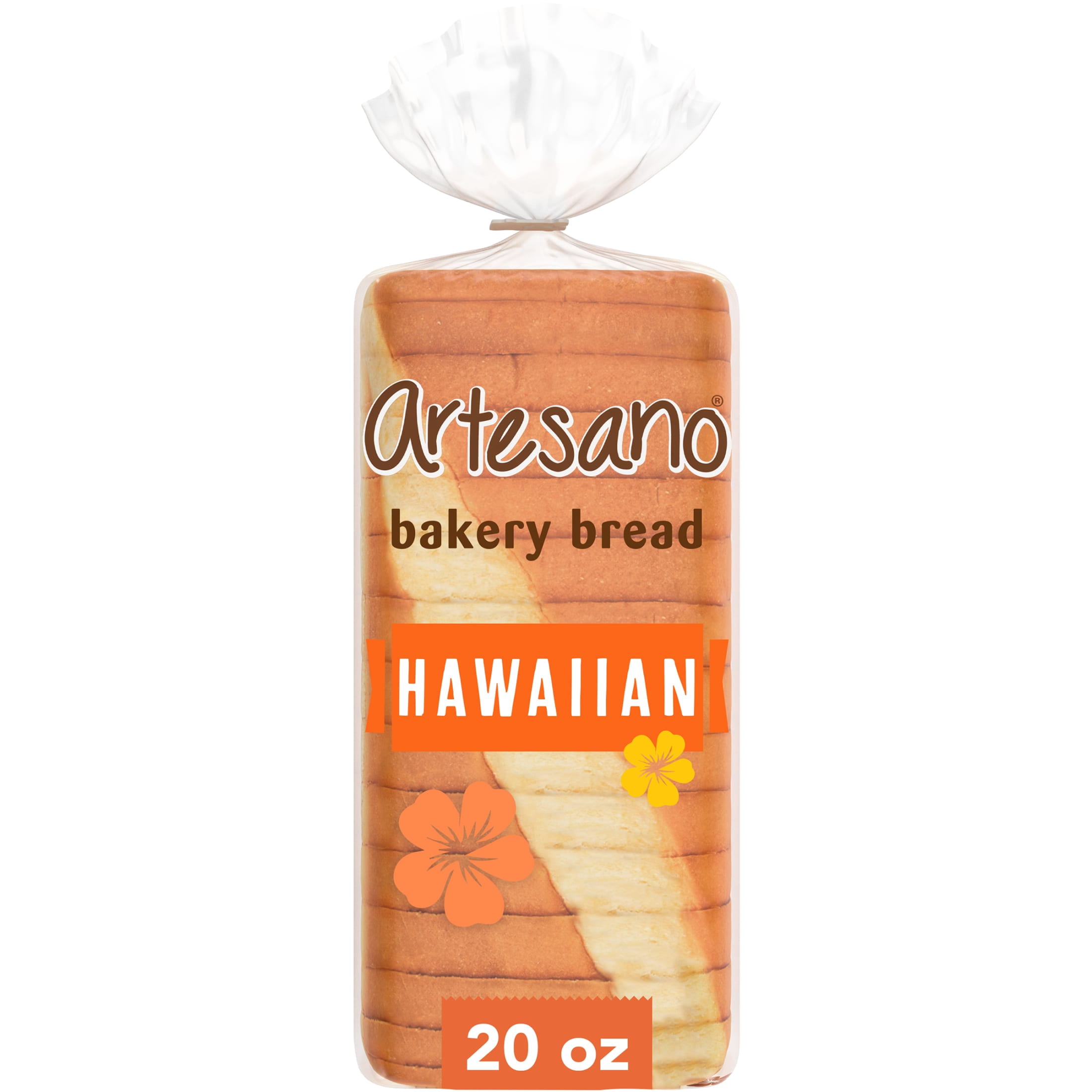


Artesano Hawaiian Bread
Analysis updated August 2026 · How Scout scores
At a glance
Summary
Hawaiian Bread is a processed food with enriched wheat flour as its primary ingredient, which contributes to its moderate processing level. While it does not contain harmful additives like high-fructose corn syrup or artificial dyes, the use of enriched flour and added sugars limits its nutritional quality. The ingredient list is relatively short, which is a positive aspect, but the overall processing and refined ingredients prevent it from scoring higher.
Key ingredients 8
NiacinGood
Beneficial ingredient — whole-food or functional value in this product class.
Benefits
Supports energy metabolism and overall health as part of the B-vitamin complex.
RiboflavinGood
Essential B vitamin — beneficial micronutrient.
Benefits
Supports energy production and cellular health as part of the B-vitamin complex.
Malted barley flourNeutral
Malted barley flour is used to enhance flavor and improve the texture of baked goods. It is minimally processed and retains some nutrients. It is often used in small quantities in bread making.
Benefits
Can improve the flavor and texture of baked goods, contributing to a more appealing product.
Reduced ironNeutral
Reduced iron is added to enriched flour to restore iron lost during processing. It is a common fortification practice in many processed foods. The bioavailability of iron in this form can vary.
Risks
Excessive iron intake can lead to toxicity, but this is unlikely from fortified foods alone.
Benefits
Helps prevent iron deficiency anemia by providing a source of dietary iron.
Thiamin mononitrateNeutral
Thiamin mononitrate is a synthetic form of vitamin B1 used to fortify foods. It is essential for carbohydrate metabolism and nerve function. Fortification helps prevent deficiencies in populations consuming refined grains.
Benefits
Essential for energy production and nerve function, supporting overall health.
Folic acidNeutral
Folic acid is a synthetic form of vitamin B9 used to fortify foods. It is crucial for DNA synthesis and cell division. Fortification helps prevent neural tube defects in developing fetuses.
Risks
Excessive intake can mask vitamin B12 deficiency, but this is unlikely from fortified foods alone.
Benefits
Essential for DNA synthesis and preventing neural tube defects during pregnancy.
WaterNeutral
Water is a basic ingredient used in the preparation of dough. It is essential for hydration and the activation of yeast in bread making. It is a natural and unprocessed component of the recipe.
Benefits
Essential for hydration and necessary for the chemical reactions in baking.
Enriched wheat flourBad
Refined grain flour stripped of bran and germ.
Risks
May contribute to blood sugar spikes due to its refined nature and lack of fiber.
Benefits
Provides essential vitamins and minerals such as iron and B vitamins due to fortification.
Processing
Processed Foods
Get the full breakdown in the Scout appTake Scout shopping
Scan any product to see lab results, healthy alternatives, and your personalized analysis.
Download on theApp Store GET IT ONGoogle PlayAmazon pricing & content
Amazon price as of . Product prices and availability are accurate as of the date/time indicated and are subject to change. Any price and availability information displayed on Amazon.com at the time of purchase will apply to the purchase of this product.
CERTAIN CONTENT THAT APPEARS ON THIS SITE COMES FROM AMAZON. THIS CONTENT IS PROVIDED “AS IS” AND IS SUBJECT TO CHANGE OR REMOVAL AT ANY TIME.