
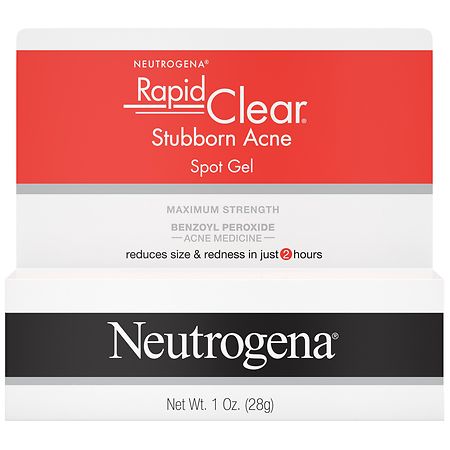


Neutrogena Rapid Clear Stubborn Acne Spot Treatment Gel with Maximum Strength for Acne Prone Skin - 1 oz: Paraben-Free, Aluminum-Free, Dye-Free
Analysis updated July 2026 · How Scout scores
At a glance
Summary
This acne treatment gel contains benzoyl peroxide, a common and effective active ingredient for treating acne, which is generally safe but can be irritating for some skin types. The product is free from parabens, aluminum, and dyes, which is positive, but it includes synthetic ingredients like carbomer and laureth-4, which are associated with moderate processing. The presence of benzyl alcohol and disodium EDTA, while not highly concerning, indicates a level of processing that prevents it from being rated as a top-tier product.
Key ingredients 9
Benzoyl PeroxideNeutral
Benzoyl Peroxide is a common acne treatment known for its antibacterial properties. It helps to reduce acne-causing bacteria and clear pores. However, it can be drying and irritating to the skin.
Risks
Potential risks include skin dryness, irritation, and peeling.
Benefits
It effectively reduces acne by killing bacteria and decreasing inflammation.
WaterNeutral
Water is used as a solvent in cosmetic formulations. It helps to dissolve other ingredients and provides a base for the product. It is generally considered safe and non-irritating.
Risks
There are no significant risks associated with water in cosmetics.
Benefits
It hydrates the skin and helps in the application of the product.
Carbomer Homopolymer Type BNeutral
Carbomer is used as a thickening agent in cosmetics. It helps to stabilize and control the viscosity of the product. It is generally considered safe for use in skincare products.
Risks
May cause mild irritation in sensitive individuals.
Benefits
It provides a smooth texture and consistency to the product.
Hydroxypropyl MethylcelluloseNeutral
Hydroxypropyl Methylcellulose is a thickening and film-forming agent. It helps to improve the texture and spreadability of the product. It is widely used in cosmetics and is considered safe.
Risks
Rarely, it may cause mild irritation.
Benefits
It enhances the product's texture and application.
Laureth-4Neutral
Laureth-4 is an emulsifier and surfactant used in cosmetics. It helps to mix oil and water components and improve the texture of the product. It is generally considered safe but can be irritating to sensitive skin.
Risks
Potential for skin irritation, especially in sensitive individuals.
Benefits
It improves the product's texture and helps in emulsification.
Citric AcidNeutral
Citric Acid is used to adjust the pH of cosmetic products. It helps to maintain the stability and efficacy of the formulation. It is generally safe but can be irritating in high concentrations.
Risks
May cause irritation if used in high concentrations.
Benefits
It helps to maintain the product's pH balance and stability.
Sodium HydroxideNeutral
Sodium Hydroxide is used to adjust the pH of cosmetic formulations. It helps to neutralize acidic components and stabilize the product. It is safe in low concentrations but can be corrosive in high amounts.
Risks
Can be corrosive and irritating in high concentrations.
Benefits
It helps to balance the pH and stabilize the formulation.
Benzyl AlcoholBad
Processed additive flagged under Scout's ingredient doctrine.
Risks
Potential for skin irritation, especially in sensitive individuals.
Benefits
It acts as a preservative, preventing spoilage and contamination.
Disodium EDTABad
Processed additive flagged under Scout's ingredient doctrine.
Risks
May cause mild irritation in some individuals.
Benefits
It enhances the stability and efficacy of the product.
Get the full breakdown in the Scout appTake Scout shopping
Scan any product to see lab results, healthy alternatives, and your personalized analysis.
Download on theApp Store GET IT ONGoogle PlayAmazon pricing & content
Amazon price as of . Product prices and availability are accurate as of the date/time indicated and are subject to change. Any price and availability information displayed on Amazon.com at the time of purchase will apply to the purchase of this product.
CERTAIN CONTENT THAT APPEARS ON THIS SITE COMES FROM AMAZON. THIS CONTENT IS PROVIDED “AS IS” AND IS SUBJECT TO CHANGE OR REMOVAL AT ANY TIME.