

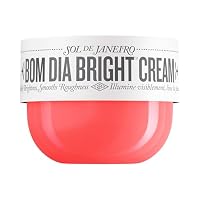
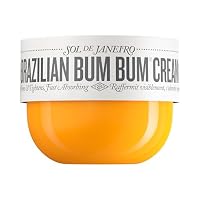
Sol De Janeiro Bom Dia Bright Cream 3-Pcs Travel Set / New With Box
Analysis updated July 2026 · How Scout scores
At a glance
Summary
This product contains a mix of natural extracts and oils, such as coconut oil and açaí fruit oil, which are beneficial for skin health. However, the presence of synthetic fragrance and colorants like Red 33 and Yellow 5, along with preservatives such as phenoxyethanol and potassium sorbate, contribute to its processed nature. These additives can pose potential irritation risks and lower the overall ingredient safety score.
Key ingredients 35
Caprylic/Capric TriglycerideVery Good
This ingredient is an emollient derived from coconut oil and glycerin. It is known for its skin-replenishing properties.
Risks
There are minimal risks, though it may cause breakouts in acne-prone skin.
Benefits
It helps moisturize and soften the skin, enhancing the skin barrier.
Cocos Nucifera (Coconut) OilVery Good
Coconut oil is a natural emollient known for its moisturizing properties. It is rich in fatty acids.
Risks
It may cause breakouts in acne-prone skin due to its comedogenic nature.
Benefits
It helps nourish and soften the skin, providing deep hydration.
Theobroma Grandiflorum (Cupuaçu) Seed ButterVery Good
Cupuaçu seed butter is a natural emollient known for its moisturizing properties. It is rich in fatty acids.
Risks
There are minimal risks, though it may cause irritation in very sensitive skin.
Benefits
It helps nourish and soften the skin, providing deep hydration.
Euterpe Oleracea (Açaí) Fruit OilVery Good
Açaí fruit oil is rich in antioxidants and fatty acids. It is used for its nourishing and protective properties.
Risks
There are minimal risks, though it may cause irritation in very sensitive skin.
Benefits
It helps protect the skin from oxidative stress and improves skin health.
Tetrahexyldecyl AscorbateVery Good
Tetrahexyldecyl ascorbate is a stable form of Vitamin C. It is used for its brightening and antioxidant properties.
Risks
There are minimal risks, though it may cause irritation in very sensitive skin.
Benefits
It helps brighten the skin and protect against environmental damage.
TocopherolVery Good
Tocopherol, or Vitamin E, is a powerful antioxidant. It is used for its moisturizing and protective properties.
Risks
There are minimal risks, though it may cause irritation in very sensitive skin.
Benefits
It helps protect the skin from oxidative stress and improves skin health.
GlycerinGood
Glycerin is a humectant that attracts moisture to the skin. It is widely used for its hydrating properties.
Risks
There are minimal risks, though it may cause irritation in very sensitive skin.
Benefits
It helps keep the skin hydrated and improves skin barrier function.
Spondias Mombin (Caja) Pulp ExtractGood
Caja pulp extract is rich in vitamins and antioxidants. It is used for its skin-nourishing properties.
Risks
There are minimal risks, though it may cause irritation in very sensitive skin.
Benefits
It helps protect the skin from oxidative stress and improves skin health.
Musa Sapientum (Banana) Pulp ExtractGood
Banana pulp extract is rich in vitamins and minerals. It is used for its moisturizing and soothing properties.
Risks
There are minimal risks, though it may cause irritation in very sensitive skin.
Benefits
It helps hydrate and nourish the skin, improving its texture.
Mangifera Indica (Mango) Pulp ExtractGood
Mango pulp extract is rich in vitamins and antioxidants. It is used for its nourishing and hydrating properties.
Risks
There are minimal risks, though it may cause irritation in very sensitive skin.
Benefits
It helps protect the skin from environmental damage and improves skin health.
Carica Papaya (Papaya) Fruit ExtractGood
Papaya fruit extract is rich in enzymes and vitamins. It is used for its exfoliating and brightening properties.
Risks
There are minimal risks, though it may cause irritation in very sensitive skin.
Benefits
It helps improve skin texture and promotes a brighter complexion.
Salix Alba (Willow) Bark ExtractGood
Willow bark extract is a natural source of salicylic acid. It is used for its exfoliating and anti-inflammatory properties.
Risks
There are minimal risks, though it may cause irritation in very sensitive skin.
Benefits
It helps improve skin texture and reduces inflammation.
Gardenia Taitensis Flower ExtractGood
Gardenia flower extract is used for its soothing and fragrant properties. It is rich in antioxidants.
Risks
There are minimal risks, though it may cause irritation in very sensitive skin.
Benefits
It helps soothe the skin and provides a pleasant fragrance.
Aqua (Water, Eau)Neutral
Water is a common solvent used in cosmetics. It helps dissolve other ingredients and provides a base for the formulation.
Risks
There are no significant risks associated with water in cosmetics.
Benefits
Water helps in hydrating the skin and acts as a carrier for other beneficial ingredients.
Methyl Glucose SesquistearateNeutral
This ingredient is an emulsifier that helps blend oil and water components. It is derived from glucose and stearic acid.
Risks
There are minimal risks associated with this ingredient, though it may cause irritation in very sensitive skin.
Benefits
It helps stabilize the product and ensures a smooth texture.
DodecaneNeutral
Dodecane is a hydrocarbon used as an emollient and solvent. It provides a silky feel to the product.
Risks
There are no significant risks associated with dodecane in cosmetics.
Benefits
It helps improve the spreadability of the product on the skin.
Cetearyl AlcoholNeutral
Cetearyl Alcohol is a fatty alcohol used as an emollient and thickener. It is derived from natural oils.
Risks
It is generally safe, but may cause irritation in very sensitive skin.
Benefits
It helps improve the texture and consistency of the product.
Phenyl TrimethiconeNeutral
Phenyl Trimethicone is a silicone used to improve the texture and spreadability of the product. It provides a silky feel.
Risks
There are minimal risks, though it may cause buildup on the skin over time.
Benefits
It helps create a smooth application and enhances the product's feel.
Cetyl AlcoholNeutral
Cetyl Alcohol is a fatty alcohol used as an emollient and thickener. It is derived from natural oils.
Risks
It is generally safe, but may cause irritation in very sensitive skin.
Benefits
It helps improve the texture and consistency of the product.
Glyceryl CaprylateNeutral
Glyceryl caprylate is an emulsifier and skin conditioning agent. It is derived from glycerin and caprylic acid.
Risks
There are minimal risks, though it may cause irritation in very sensitive skin.
Benefits
It helps stabilize the product and improve skin feel.
EthylhexylglycerinNeutral
Ethylhexylglycerin is a preservative and skin conditioning agent. It is used to enhance the efficacy of other preservatives.
Risks
There are minimal risks, though it may cause irritation in very sensitive skin.
Benefits
It helps preserve the product and improve skin feel.
Sorbitan IsostearateNeutral
Sorbitan isostearate is an emulsifier used to blend oil and water components. It is derived from sorbitol and stearic acid.
Risks
There are minimal risks, though it may cause irritation in very sensitive skin.
Benefits
It helps stabilize the product and ensures a smooth texture.
Ethylene BrassylateNeutral
Ethylene brassylate is a fragrance ingredient used to impart a pleasant scent. It is a synthetic compound.
Risks
There are minimal risks, though it may cause irritation in very sensitive skin.
Benefits
It enhances the sensory experience of using the product.
Xanthan GumNeutral
Xanthan gum is a thickening agent used to stabilize emulsions. It is derived from fermented sugars.
Risks
There are minimal risks, though it may cause irritation in very sensitive skin.
Benefits
It helps improve the texture and consistency of the product.
Glyceryl Stearate CitrateNeutral
Glyceryl stearate citrate is an emulsifier used to blend oil and water components. It is derived from glycerin and stearic acid.
Risks
There are minimal risks, though it may cause irritation in very sensitive skin.
Benefits
It helps stabilize the product and ensures a smooth texture.
Hydroxyethyl Acrylate/Sodium Acryloyldimethyl Taurate CopolymerNeutral
This copolymer is used as a thickening and stabilizing agent. It helps improve the texture of the product.
Risks
There are minimal risks, though it may cause irritation in very sensitive skin.
Benefits
It helps maintain the product's consistency and enhances its application.
Sodium Stearoyl GlutamateNeutral
Sodium stearoyl glutamate is an emulsifier used to blend oil and water components. It is derived from stearic acid and glutamic acid.
Risks
There are minimal risks, though it may cause irritation in very sensitive skin.
Benefits
It helps stabilize the product and ensures a smooth texture.
Citric AcidNeutral
Citric acid is used to adjust the pH of the product. It is derived from citrus fruits.
Risks
There are minimal risks, though it may cause irritation in very sensitive skin.
Benefits
It helps maintain the stability and effectiveness of the product.
CI 17200 (Red 33)Neutral
Red 33 is a synthetic dye used to impart color to the product. It is approved for use in cosmetics.
Risks
There are minimal risks, though it may cause irritation in very sensitive skin.
Benefits
It helps enhance the visual appeal of the product.
PhenoxyethanolBad
Processed additive flagged under Scout's ingredient doctrine.
Risks
There are minimal risks, though it may cause irritation in very sensitive skin.
Benefits
It helps preserve the product and extend its shelf life.
Benzyl AlcoholBad
Processed additive flagged under Scout's ingredient doctrine.
Risks
There are minimal risks, though it may cause irritation in very sensitive skin.
Benefits
It helps preserve the product and enhance its fragrance.
Potassium SorbateBad
Synthetic preservative — flagged in daily-use products.
Risks
There are minimal risks, though it may cause irritation in very sensitive skin.
Benefits
It helps preserve the product and extend its shelf life.
Sorbic AcidBad
Processed additive flagged under Scout's ingredient doctrine.
Risks
There are minimal risks, though it may cause irritation in very sensitive skin.
Benefits
It helps preserve the product and extend its shelf life.
Parfum (Fragrance)Very Bad
Fragrance is used to impart a pleasant scent to the product. However, it can be a mixture of many chemicals.
Risks
Fragrances can cause allergic reactions and skin irritation, especially in sensitive individuals.
Benefits
It enhances the sensory experience of using the product.
CI 19140 (Yellow 5)Very Bad
Heavily flagged ingredient class under Scout's doctrine.
Risks
There are minimal risks, though it may cause irritation in very sensitive skin.
Benefits
It helps enhance the visual appeal of the product.
Get the full breakdown in the Scout appTake Scout shopping
Scan any product to see lab results, healthy alternatives, and your personalized analysis.
Download on theApp Store GET IT ONGoogle PlayAmazon pricing & content
Amazon price as of . Product prices and availability are accurate as of the date/time indicated and are subject to change. Any price and availability information displayed on Amazon.com at the time of purchase will apply to the purchase of this product.
CERTAIN CONTENT THAT APPEARS ON THIS SITE COMES FROM AMAZON. THIS CONTENT IS PROVIDED “AS IS” AND IS SUBJECT TO CHANGE OR REMOVAL AT ANY TIME.