

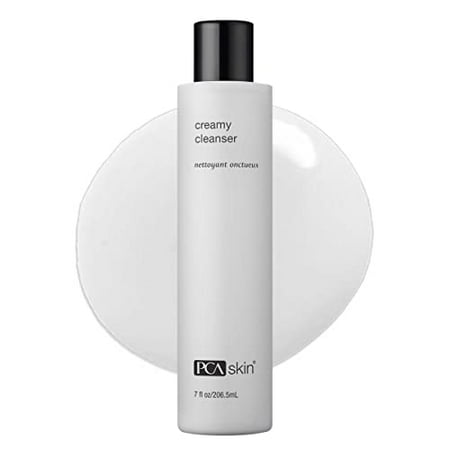
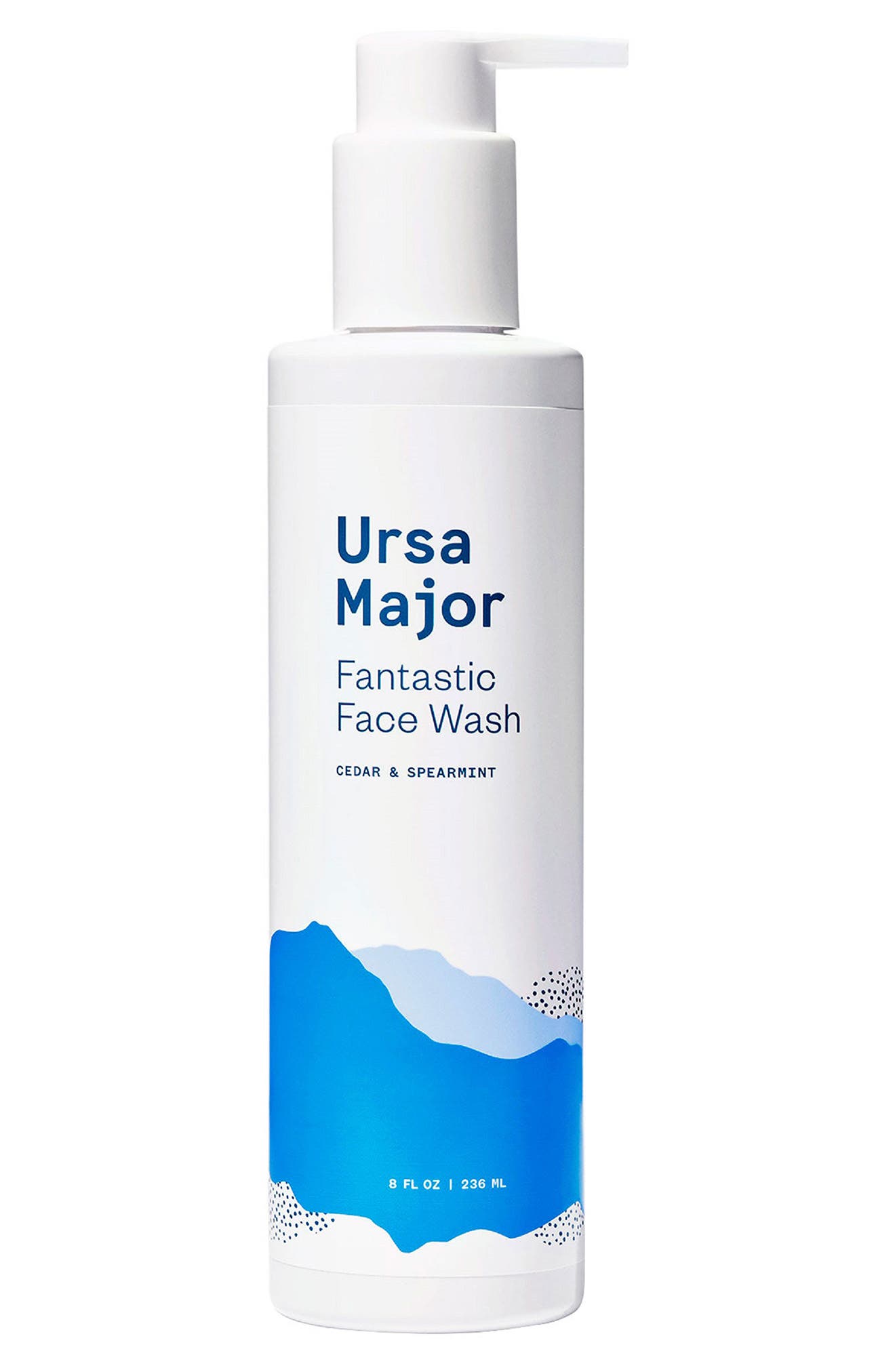

Skinceuticals Retinol 0.3 - 30ml, Refining Night Cream With 0.3% Retinol.
Analysis updated October 2026 · How Scout scores
At a glance
Summary
This product contains beneficial ingredients like retinol, Boswellia Serrata Resin Extract, and bisabolol, which are known for their anti-aging and soothing properties. However, the presence of denatured alcohol as a top ingredient is concerning due to its potential to dry and irritate the skin. Additionally, the inclusion of synthetic compounds like dimethicone and phenoxyethanol suggests a moderate level of processing, which impacts the overall score.
Key ingredients 22
RetinolVery Good
Retinol is a form of Vitamin A that is widely used for its anti-aging properties. It helps to reduce the appearance of fine lines and wrinkles and improve skin texture. It is considered a highly effective skin active.
Risks
Can cause irritation and sensitivity, especially when first introduced.
Benefits
Promotes cell turnover and improves skin appearance.
Boswellia Serrata Resin ExtractGood
Boswellia Serrata Resin Extract is known for its anti-inflammatory properties. It can help soothe irritated skin and reduce redness. It is considered beneficial in skincare formulations.
Risks
Low risk of irritation or allergic reaction.
Benefits
Provides anti-inflammatory benefits and soothes the skin.
BisabololGood
Bisabolol is known for its soothing and anti-inflammatory properties. It helps to calm irritated skin and reduce redness. It is considered beneficial in skincare formulations.
Risks
Low risk of irritation or allergic reaction.
Benefits
Provides soothing and calming effects on the skin.
Aqua / Water / EauNeutral
Water is a common solvent used in cosmetics to dissolve other ingredients. It helps in the application and absorption of the product. It does not provide any direct benefits or risks.
Benefits
No direct benefits, but it aids in the formulation of the product.
PropanediolNeutral
Propanediol is used as a solvent and skin-conditioning agent. It helps improve the texture and feel of the product. It is generally considered safe for use in cosmetics.
Risks
May cause mild irritation in sensitive individuals.
Benefits
Helps in moisturizing the skin and improving product texture.
Cetearyl EthylhexanoateNeutral
Cetearyl Ethylhexanoate is an emollient that helps to soften and smooth the skin. It is used to improve the texture of the product. It is generally considered safe for use in cosmetics.
Risks
Minimal risk of irritation or allergic reaction.
Benefits
Improves skin texture and provides a smooth feel.
Dipropylene GlycolNeutral
Dipropylene Glycol is a solvent and viscosity-decreasing agent. It helps in the even distribution of the product on the skin. It is generally considered safe for use in cosmetics.
Risks
Low risk of irritation or allergic reaction.
Benefits
Improves product spreadability and texture.
Ammonium Polyacryloyldimethyl TaurateNeutral
This ingredient is used as a thickening agent in cosmetics. It helps stabilize emulsions and improve product texture. It is generally considered safe for use in cosmetics.
Risks
Minimal risk of irritation.
Benefits
Enhances product stability and texture.
Hydrogenated LecithinNeutral
Hydrogenated Lecithin is an emulsifying agent that helps blend oil and water components. It can also act as a skin-conditioning agent. It is generally considered safe for use in cosmetics.
Risks
Low risk of irritation or allergic reaction.
Benefits
Improves product consistency and skin feel.
Allyl Methacrylates CrosspolymerNeutral
This ingredient is used as a film-forming agent in cosmetics. It helps in providing a smooth and even application. It is generally considered safe for use in cosmetics.
Risks
Minimal risk of irritation.
Benefits
Enhances product application and finish.
Caprylyl GlycolNeutral
Caprylyl Glycol is used as a skin-conditioning agent and preservative booster. It helps to hydrate the skin and enhance the efficacy of preservatives. It is generally considered safe for use in cosmetics.
Risks
Low risk of irritation or allergic reaction.
Benefits
Improves skin hydration and product preservation.
Isopropyl MyristateNeutral
Isopropyl Myristate is an emollient that helps improve the texture and absorption of the product. It is used to create a smooth and non-greasy feel. It is generally considered safe for use in cosmetics.
Risks
May cause breakouts in acne-prone skin.
Benefits
Enhances product texture and absorption.
Polysorbate 20Neutral
Polysorbate 20 is an emulsifier used to stabilize formulations. It helps blend oil and water components in the product. It is generally considered safe for use in cosmetics.
Risks
Low risk of irritation or allergic reaction.
Benefits
Improves product stability and consistency.
Sodium CitrateNeutral
Sodium Citrate is used as a buffering agent to maintain the pH of the product. It helps in stabilizing the formulation. It is generally considered safe for use in cosmetics.
Risks
Minimal risk of irritation.
Benefits
Helps maintain product stability and pH balance.
DimethiconolNeutral
Dimethiconol is a silicone-based polymer used for its conditioning properties. It helps provide a smooth and silky feel to the skin. It is generally considered safe for use in cosmetics.
Risks
May cause breakouts in acne-prone skin due to its occlusive nature.
Benefits
Enhances skin feel and provides a protective barrier.
Trisodium Ethylenediamine DisuccinateNeutral
This ingredient is used as a chelating agent to improve product stability. It helps in binding metal ions that can affect product performance. It is generally considered safe for use in cosmetics.
Risks
Minimal risk of irritation.
Benefits
Enhances product stability and performance.
Citric AcidNeutral
Citric Acid is used as a pH adjuster and exfoliant in cosmetics. It helps maintain the stability of the product and can provide mild exfoliation. It is generally considered safe for use in cosmetics.
Risks
May cause irritation in sensitive skin types.
Benefits
Helps maintain product stability and provides mild exfoliation.
Propyl GallateNeutral
Propyl Gallate is an antioxidant used to prevent the oxidation of ingredients in cosmetics. It helps extend the shelf life of the product. It is generally considered safe for use in cosmetics.
Risks
May cause irritation in sensitive individuals.
Benefits
Prevents product spoilage and extends shelf life.
DimethiconeBad
Occlusive silicone film-former — flagged under clean-beauty doctrine.
Risks
May cause breakouts in acne-prone skin due to its occlusive nature.
Benefits
Provides a silky texture and helps in moisture retention.
PhenoxyethanolBad
Processed additive flagged under Scout's ingredient doctrine.
Risks
May cause irritation in sensitive skin types.
Benefits
Prevents product spoilage and extends shelf life.
BHTBad
Processed additive flagged under Scout's ingredient doctrine.
Risks
Concerns about potential skin irritation and long-term effects.
Benefits
Prevents product spoilage and extends shelf life.
Alcohol Denat.Very Bad
Denatured alcohol is used as a solvent and astringent in cosmetics. It can be drying and irritating to the skin, especially in high concentrations. It is often used to enhance the penetration of other ingredients.
Risks
Can cause dryness and irritation, especially in sensitive skin.
Benefits
Helps in the quick absorption of the product.
Get the full breakdown in the Scout appTake Scout shopping
Scan any product to see lab results, healthy alternatives, and your personalized analysis.
Download on theApp Store GET IT ONGoogle Play