




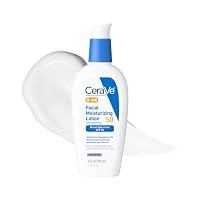

Cerave Makeup Remover Wipes 25 ct
Analysis updated September 2026 · How Scout scores
At a glance
Summary
This product contains beneficial ingredients like glycerin and ceramides, which help maintain skin hydration and barrier function. However, it also includes PEG compounds and acrylates, which are synthetic and can be concerning for some users due to their processing level. The presence of these synthetic ingredients alongside beneficial ones results in a mixed assessment of the product's overall safety and effectiveness.
Key ingredients 25
Ceramide APVery Good
Ceramide AP is a type of ceramide that helps maintain the skin's natural barrier and prevent moisture loss. It is beneficial for dry and sensitive skin types. It is a well-researched ingredient known for its skin-repairing properties.
Risks
There are minimal risks associated with ceramides.
Benefits
Ceramide AP helps improve skin hydration and barrier function.
Ceramide EOPVery Good
Ceramide EOP is a lipid that plays a crucial role in maintaining the skin's barrier function. It helps in retaining moisture and protecting the skin from environmental damage. It is a beneficial ingredient for all skin types.
Risks
There are minimal risks associated with ceramides.
Benefits
Ceramide EOP helps enhance skin hydration and barrier integrity.
GlycerinGood
Glycerin is a humectant that attracts moisture to the skin, helping to keep it hydrated. It is a well-tolerated ingredient that is beneficial for all skin types. It is widely used in skincare for its moisturizing properties.
Risks
There are minimal risks associated with glycerin, though it may cause irritation in very rare cases.
Benefits
Glycerin helps maintain skin hydration and improves the skin barrier function.
Ceramide NPGood
Ceramide NP is a lipid that helps restore the skin barrier and retain moisture. It is essential for maintaining healthy skin and is well-tolerated by most skin types. It is a key ingredient in skincare for its barrier-repairing properties.
Risks
There are minimal risks associated with ceramides.
Benefits
Ceramide NP helps strengthen the skin barrier and improve hydration.
CholesterolGood
Cholesterol is a lipid that helps maintain the skin's barrier function and retain moisture. It is naturally found in the skin and is beneficial for dry and sensitive skin types. It is well-tolerated and helps improve skin hydration.
Risks
There are minimal risks associated with cholesterol in cosmetics.
Benefits
Cholesterol helps strengthen the skin barrier and improve hydration.
TocopherolGood
Tocopherol, also known as Vitamin E, is an antioxidant that helps protect the skin from free radical damage. It is beneficial for maintaining healthy skin and is well-tolerated by most skin types. It is widely used in skincare for its protective properties.
Risks
There are minimal risks associated with tocopherol.
Benefits
Tocopherol helps protect the skin from environmental damage and improve skin health.
PhytosphingosineGood
Phytosphingosine is a lipid that helps maintain the skin's barrier function and has antimicrobial properties. It is beneficial for improving skin health and is well-tolerated by most skin types. It is used in skincare for its barrier-repairing and protective properties.
Risks
There are minimal risks associated with phytosphingosine.
Benefits
Phytosphingosine helps strengthen the skin barrier and protect against microbial damage.
Aqua/Water/EauNeutral
Water is a common solvent used in cosmetic formulations. It helps dissolve other ingredients and provides a base for the product. It is generally considered safe and non-irritating.
Risks
There are no significant risks associated with water in cosmetics.
Benefits
Water helps in hydrating the skin and acts as a carrier for other beneficial ingredients.
IsohexadecaneNeutral
Isohexadecane is a synthetic ingredient used as an emollient and texture enhancer. It provides a silky feel and helps in spreading the product evenly. It is generally considered safe for use in cosmetics.
Risks
There are minimal risks, but it may cause irritation in very sensitive skin types.
Benefits
It helps in improving the texture and spreadability of the product.
Isopropyl MyristateNeutral
Isopropyl Myristate is used as an emollient and thickening agent in cosmetics. It helps in enhancing the absorption of other ingredients. It is generally safe but can be comedogenic for some skin types.
Risks
It may clog pores and cause acne in individuals with oily or acne-prone skin.
Benefits
It improves the texture and absorption of the product, making it feel smooth on the skin.
PEG-7 Glyceryl CocoateNeutral
PEG-7 Glyceryl Cocoate is an emulsifier and surfactant derived from coconut oil and glycerin. It helps in mixing oil and water-based ingredients. It is generally considered safe for use in cosmetics.
Risks
There is a potential risk of contamination with 1,4-dioxane, a byproduct of ethoxylation.
Benefits
It helps in stabilizing formulations and improving the texture of the product.
Hexylene GlycolNeutral
Hexylene Glycol is used as a solvent and viscosity agent in cosmetics. It helps in improving the texture and spreadability of the product. It is generally considered safe for use in cosmetics.
Risks
It may cause irritation in sensitive skin types if used in high concentrations.
Benefits
It enhances the texture and application of the product.
Dicaprylyl EtherNeutral
Dicaprylyl Ether is an emollient that provides a lightweight feel and enhances the spreadability of products. It is derived from natural fatty acids and is considered safe for use in cosmetics. It is non-greasy and absorbs quickly into the skin.
Risks
There are minimal risks associated with this ingredient.
Benefits
It provides a smooth application and helps in moisturizing the skin without leaving a greasy residue.
CarbomerNeutral
Carbomer is a thickening agent used to stabilize and control the viscosity of cosmetic products. It is a synthetic polymer that is generally considered safe for use. It helps in creating a smooth and consistent texture.
Risks
There are minimal risks, though it may cause irritation in sensitive individuals.
Benefits
It helps in stabilizing formulations and providing a desirable texture.
Triethyl CitrateNeutral
Triethyl Citrate is used as a fragrance ingredient and solvent in cosmetics. It is derived from citric acid and is considered safe for use. It helps in enhancing the scent and stability of the product.
Risks
There are minimal risks, though it may cause irritation in sensitive individuals.
Benefits
It helps in stabilizing the formulation and enhancing the fragrance.
Sodium HydroxideNeutral
Sodium Hydroxide is used to adjust the pH of cosmetic formulations. It is a strong base that is used in small amounts to ensure product stability. It is generally considered safe when used in low concentrations.
Risks
In high concentrations, it can be irritating to the skin and eyes.
Benefits
It helps in maintaining the stability and effectiveness of the product by adjusting pH levels.
Sodium Lauroyl LactylateNeutral
Sodium Lauroyl Lactylate is a mild surfactant and emulsifier used in cosmetics. It is derived from lauric acid and lactic acid and is considered safe for use. It helps in mixing oil and water-based ingredients.
Risks
There are minimal risks, though it may cause irritation in very sensitive skin types.
Benefits
It helps in stabilizing formulations and improving the texture of the product.
Piroctone OlamineNeutral
Piroctone Olamine is an antifungal agent used in cosmetics to prevent the growth of fungi and bacteria. It is considered safe for use in cosmetics. It helps in preserving the product and preventing microbial contamination.
Risks
There are minimal risks, though it may cause irritation in sensitive individuals.
Benefits
It helps in preserving the product and ensuring its safety and efficacy.
HydroxyacetophenoneNeutral
Hydroxyacetophenone is an antioxidant and preservative used in cosmetics. It helps in stabilizing formulations and protecting them from oxidative damage. It is considered safe for use in cosmetics.
Risks
There are minimal risks, though it may cause irritation in sensitive individuals.
Benefits
It helps in preserving the product and enhancing its stability.
Caprylyl GlycolNeutral
Caprylyl Glycol is a humectant and skin conditioning agent used in cosmetics. It helps in retaining moisture and improving the texture of the product. It is considered safe for use in cosmetics.
Risks
There are minimal risks, though it may cause irritation in sensitive individuals.
Benefits
It helps in moisturizing the skin and improving the product's texture.
Citric AcidNeutral
Citric Acid is used to adjust the pH of cosmetic formulations and acts as an antioxidant. It is derived from citrus fruits and is considered safe for use. It helps in maintaining the stability and effectiveness of the product.
Risks
In high concentrations, it can be irritating to the skin and eyes.
Benefits
It helps in maintaining the stability and effectiveness of the product by adjusting pH levels.
Trisodium Ethylenediamine DisuccinateNeutral
Trisodium Ethylenediamine Disuccinate is a chelating agent used in cosmetics to improve stability. It helps in binding metal ions and preventing them from affecting the product's performance. It is considered safe for use in cosmetics.
Risks
There are minimal risks associated with this ingredient.
Benefits
It helps in stabilizing formulations and enhancing product performance.
Xanthan GumNeutral
Xanthan Gum is a natural thickening agent used to stabilize and improve the texture of cosmetic products. It is derived from fermented sugars and is considered safe for use. It helps in creating a smooth and consistent texture.
Risks
There are minimal risks, though it may cause irritation in sensitive individuals.
Benefits
It helps in stabilizing formulations and providing a desirable texture.
Benzoic AcidNeutral
Benzoic Acid is used as a preservative in cosmetics to prevent microbial growth. It is considered safe for use in low concentrations. It helps in preserving the product and ensuring its safety and efficacy.
Risks
In high concentrations, it can be irritating to the skin and eyes.
Benefits
It helps in preserving the product and preventing microbial contamination.
Acrylates/C10-30 Alkyl Acrylate CrosspolymerBad
Processed additive flagged under Scout's ingredient doctrine.
Risks
There are minimal risks, though it may cause irritation in sensitive individuals.
Benefits
It helps in stabilizing formulations and improving the texture of the product.
Get the full breakdown in the Scout appTake Scout shopping
Scan any product to see lab results, healthy alternatives, and your personalized analysis.
Download on theApp Store GET IT ONGoogle PlayAmazon pricing & content
Amazon price as of . Product prices and availability are accurate as of the date/time indicated and are subject to change. Any price and availability information displayed on Amazon.com at the time of purchase will apply to the purchase of this product.
CERTAIN CONTENT THAT APPEARS ON THIS SITE COMES FROM AMAZON. THIS CONTENT IS PROVIDED “AS IS” AND IS SUBJECT TO CHANGE OR REMOVAL AT ANY TIME.