
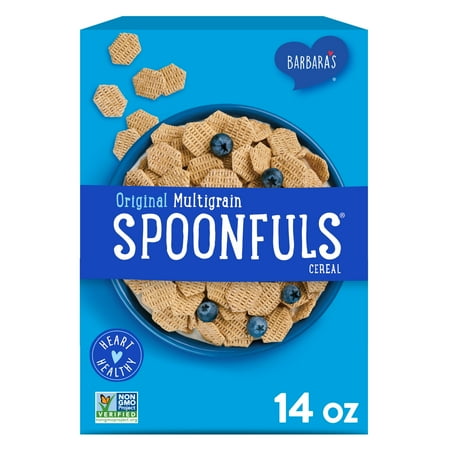
Barbara's Cereal

Barbara's
73 Good
11 oz
View on Amazon
Verified Amazon match

Summary

This cereal contains beneficial whole grain ingredients like whole oat flour and whole wheat flour, which provide fiber and essential nutrients. However, the presence of evaporated cane sugar contributes to added sugars, which can impact health negatively if consumed in excess. The product is moderately processed, and while it avoids major harmful additives, the inclusion of refined sugar and moderate processing level limits its overall healthiness.

At a glance

Beneficial ingredients 2
Harmful ingredients 1
Owned by Barbara's Bakery, Inc.
Category Oats And Cereal

Key ingredients 9

Whole Oat Flour
Good

Whole oat flour is a whole grain ingredient rich in dietary fiber and essential nutrients. It is minimally processed, retaining its bran and germ, which contribute to its nutritional profile. The added oat bran enhances its fiber content, promoting digestive health.

Benefits

Provides soluble fiber that can help lower cholesterol levels and improve heart health. Rich in vitamins and minerals, supporting overall well-being.

Yellow Corn Flour
Neutral

Yellow corn flour is a common ingredient in processed foods, providing carbohydrates and some essential nutrients. The addition of corn bran increases its fiber content, which can be beneficial for digestion. However, it lacks the complete nutrient profile of whole grains.

Risks

May contribute to high glycemic load if consumed in excess, potentially affecting blood sugar levels.

Benefits

Contains dietary fiber and essential nutrients like B vitamins and iron, supporting energy metabolism and digestive health.

Evaporated Cane Sugar
Bad

Evaporated cane sugar is a refined sugar that contributes to the product's sweetness but offers little nutritional value. It is processed to remove impurities, resulting in a high glycemic index. Excessive consumption can lead to health issues such as obesity and diabetes.

Risks

High sugar intake is associated with increased risk of obesity, type 2 diabetes, and dental cavities.

Whole Wheat Flour
Good

Whole wheat flour is a whole grain flour that retains its bran and germ, providing fiber and essential nutrients. It is less processed than refined flours, maintaining a higher nutritional value. This ingredient supports digestive health and provides sustained energy.

Risks

Contains gluten, which may cause adverse reactions in individuals with celiac disease or gluten sensitivity.

Benefits

Rich in dietary fiber, vitamins, and minerals, supporting heart health and digestion.

See more about Whole Wheat Flour →
Unsulfured Molasses
Neutral

Unsulfured molasses is a natural sweetener that retains some nutrients from the sugarcane plant. It is less processed than refined sugars, providing trace minerals like iron and calcium. However, it is still a sugar and should be consumed in moderation.

Risks

Excessive consumption can contribute to high sugar intake and related health issues.

Benefits

Contains trace minerals such as iron, calcium, and magnesium, which can support bone health and energy production.

Salt
Neutral

Salt is used to enhance flavor and preserve food, but excessive intake can lead to health issues. It is a common ingredient in processed foods, contributing to sodium intake. Moderation is key to avoid potential negative health impacts.

Risks

High sodium intake is linked to increased risk of hypertension and cardiovascular diseases.

Benefits

Essential for maintaining fluid balance and nerve function in the body.

See more about Salt →
Baking Soda
Neutral

Baking soda is a leavening agent used to help baked goods rise. It is chemically processed but generally recognized as safe in small quantities. It does not contribute significant nutritional value to the product.

Risks

Excessive consumption can lead to metabolic alkalosis and electrolyte imbalances.

See more about Baking Soda →
Tocopherols
Neutral

Tocopherols are natural antioxidants used to preserve freshness in food products. They are derived from vitamin E and help prevent oxidation of fats. While beneficial in preserving food quality, they do not contribute significant nutritional value.

Benefits

Acts as an antioxidant, potentially supporting cellular health by reducing oxidative stress.

See more about Tocopherols →
Vitamin C
Neutral

Vitamin C is added as an antioxidant to preserve the product's freshness and nutritional quality. It is a water-soluble vitamin essential for immune function and collagen synthesis. While beneficial, the amount added may not significantly impact overall vitamin C intake.

Benefits

Supports immune function and acts as an antioxidant, protecting cells from damage.

See more about Vitamin C →

Processing

Group 3 · Processed

Processed Foods

Get the full breakdown in the Scout app

Scan any product to see lab results, healthy alternatives, and your personalized analysis.

Download on theApp Store