
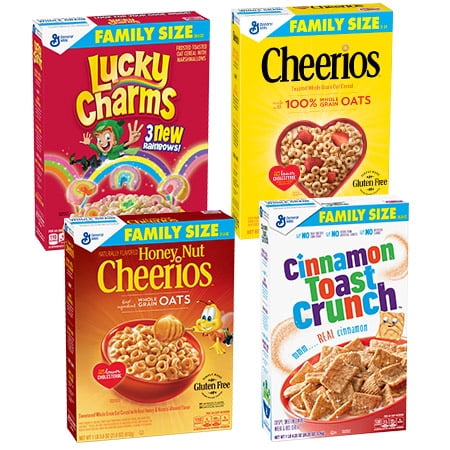


Cheerios Cereal, Family Size
Analysis updated May 2026 · How Scout scores
At a glance
Summary
Cheerios Cereal is primarily made from whole grain oats, which are beneficial for heart health and provide dietary fiber. The product is fortified with essential vitamins and minerals, enhancing its nutritional profile. However, it contains added sugar and is moderately processed, which slightly reduces its overall healthiness score.
Key ingredients 17
Whole Grain OatsVery Good
Whole grain oats are a rich source of dietary fiber and essential nutrients. They are minimally processed, retaining most of their natural nutrients. Oats are known for their heart health benefits and ability to stabilize blood sugar levels.
Benefits
Rich in beta-glucan, a type of soluble fiber that can help lower cholesterol levels and improve heart health.
Vitamin E (Mixed Tocopherols)Good
Vitamin E is an antioxidant that helps protect cells from oxidative damage. It is added to preserve freshness and extend shelf life. It supports immune function and skin health.
Benefits
Acts as an antioxidant, protecting cells from damage and supporting overall health.
IronGood
Iron is an essential mineral that supports oxygen transport in the blood. It is added to prevent iron deficiency anemia. Iron fortification helps meet daily nutritional requirements.
Risks
Excessive iron intake can lead to toxicity and gastrointestinal issues.
Benefits
Essential for the production of hemoglobin and overall energy metabolism.
ZincGood
Zinc is an essential trace mineral important for immune function and wound healing. It is added to support overall health and prevent deficiency. Zinc plays a role in numerous enzymatic reactions in the body.
Risks
Excessive intake can interfere with copper absorption and cause gastrointestinal distress.
Benefits
Supports immune function, DNA synthesis, and cell division.
Vitamin C (Sodium Ascorbate)Good
Vitamin C is a powerful antioxidant that supports immune health and collagen synthesis. Sodium ascorbate is a more stable form of vitamin C used in fortification. It helps enhance iron absorption from plant-based sources.
Benefits
Boosts immune function and acts as an antioxidant, protecting cells from damage.
NiacinamideGood
Niacinamide is a form of vitamin B3 that supports energy metabolism and skin health. It is added to fortify foods and prevent niacin deficiency. It plays a role in converting food into energy.
Risks
High doses may cause flushing and gastrointestinal discomfort.
Benefits
Supports energy production and maintains healthy skin.
Vitamin B6 (Pyridoxine Hydrochloride)Good
Vitamin B6 is essential for protein metabolism and cognitive development. Pyridoxine hydrochloride is a stable form used in fortification. It supports neurotransmitter synthesis and immune function.
Risks
Excessive intake can lead to nerve damage and sensory neuropathy.
Benefits
Supports brain health and helps in the production of neurotransmitters.
Vitamin B1 (Thiamin Mononitrate)Good
Vitamin B1 is important for energy metabolism and nerve function. Thiamin mononitrate is a stable form used in fortification. It helps convert carbohydrates into energy.
Benefits
Supports energy production and proper nerve function.
Vitamin B12Good
Vitamin B12 is essential for red blood cell formation and neurological function. It is added to support overall health and prevent deficiency. It is crucial for DNA synthesis and energy production.
Benefits
Supports nerve health and the production of red blood cells.
Vitamin D3Good
Vitamin D3 is important for calcium absorption and bone health. It is added to prevent deficiency and support immune function. It plays a role in maintaining healthy bones and teeth.
Risks
Excessive intake can lead to hypercalcemia and associated health issues.
Benefits
Supports bone health and immune system function.
Corn StarchNeutral
Corn starch is used as a thickening agent and is highly processed. It provides no significant nutritional benefits. It is primarily used for texture and consistency in food products.
Risks
Excessive consumption may lead to blood sugar spikes due to its high glycemic index.
SaltNeutral
Salt is used to enhance flavor but should be consumed in moderation. It is a common additive in processed foods. Excessive intake can lead to health issues such as hypertension.
Risks
High sodium intake is associated with increased blood pressure and cardiovascular risk.
Benefits
Essential for maintaining fluid balance and nerve function in the body.
Calcium CarbonateNeutral
Standard formulation ingredient — neither beneficial nor harmful at typical use.
Risks
Excessive intake can lead to hypercalcemia and kidney stones.
Benefits
Provides a significant source of calcium, supporting bone health and preventing osteoporosis.
Vitamin A (Palmitate)Neutral
Standard formulation ingredient — neither beneficial nor harmful at typical use.
Risks
Excessive intake can lead to toxicity, causing liver damage and other health issues.
Benefits
Essential for maintaining healthy vision and immune system function.
Folic AcidNeutral
Standard formulation ingredient — neither beneficial nor harmful at typical use.
Risks
Excessive intake can mask vitamin B12 deficiency symptoms.
Benefits
Crucial for fetal development and preventing birth defects.
SugarBad
Refined sugar is a source of empty calories with no essential nutrients. It is highly processed and can contribute to various health issues. Excessive sugar intake is linked to obesity, diabetes, and heart disease.
Risks
High consumption can lead to weight gain, increased risk of chronic diseases, and dental problems.
Tripotassium PhosphateBad
Processed additive flagged under Scout's ingredient doctrine.
Risks
Excessive consumption may lead to imbalances in mineral levels, particularly potassium.
Benefits
Helps maintain the pH balance and stability of the product.
Processing
Processed Foods
Get the full breakdown in the Scout appTake Scout shopping
Scan any product to see lab results, healthy alternatives, and your personalized analysis.
Download on theApp Store GET IT ONGoogle Play