
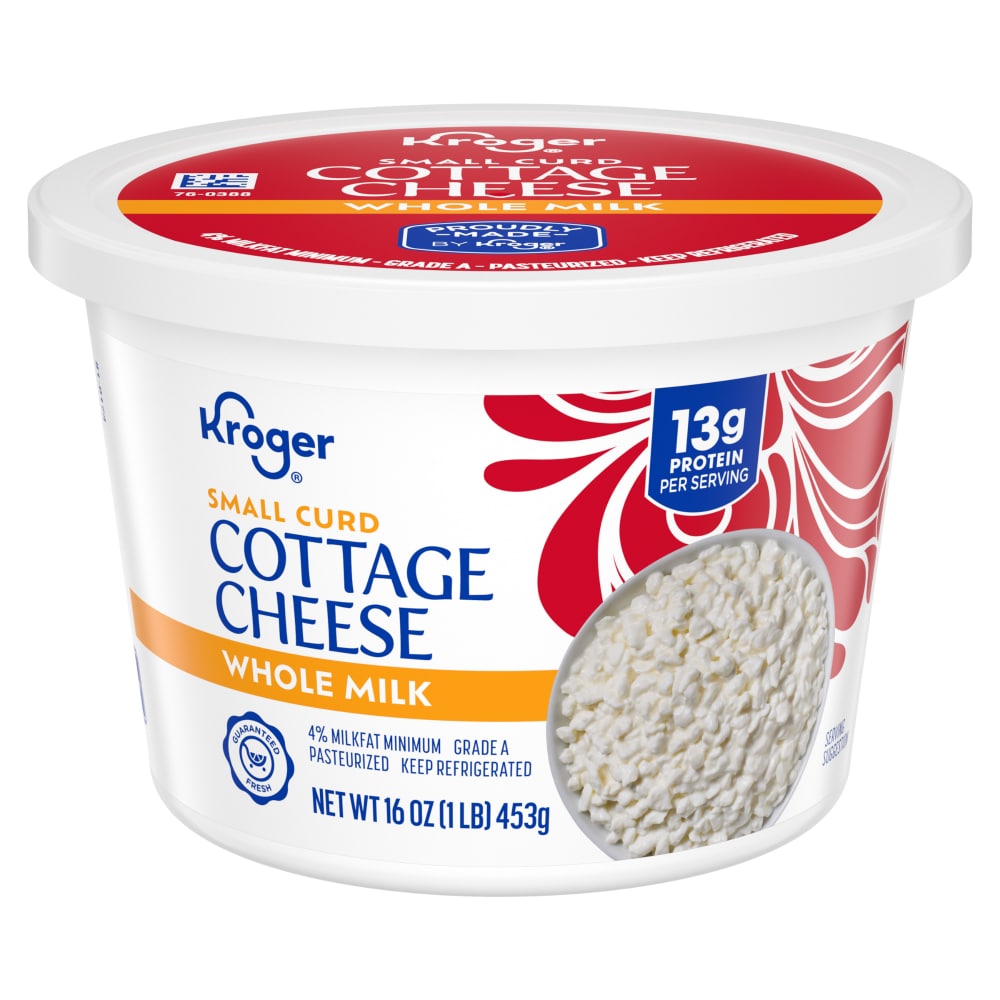

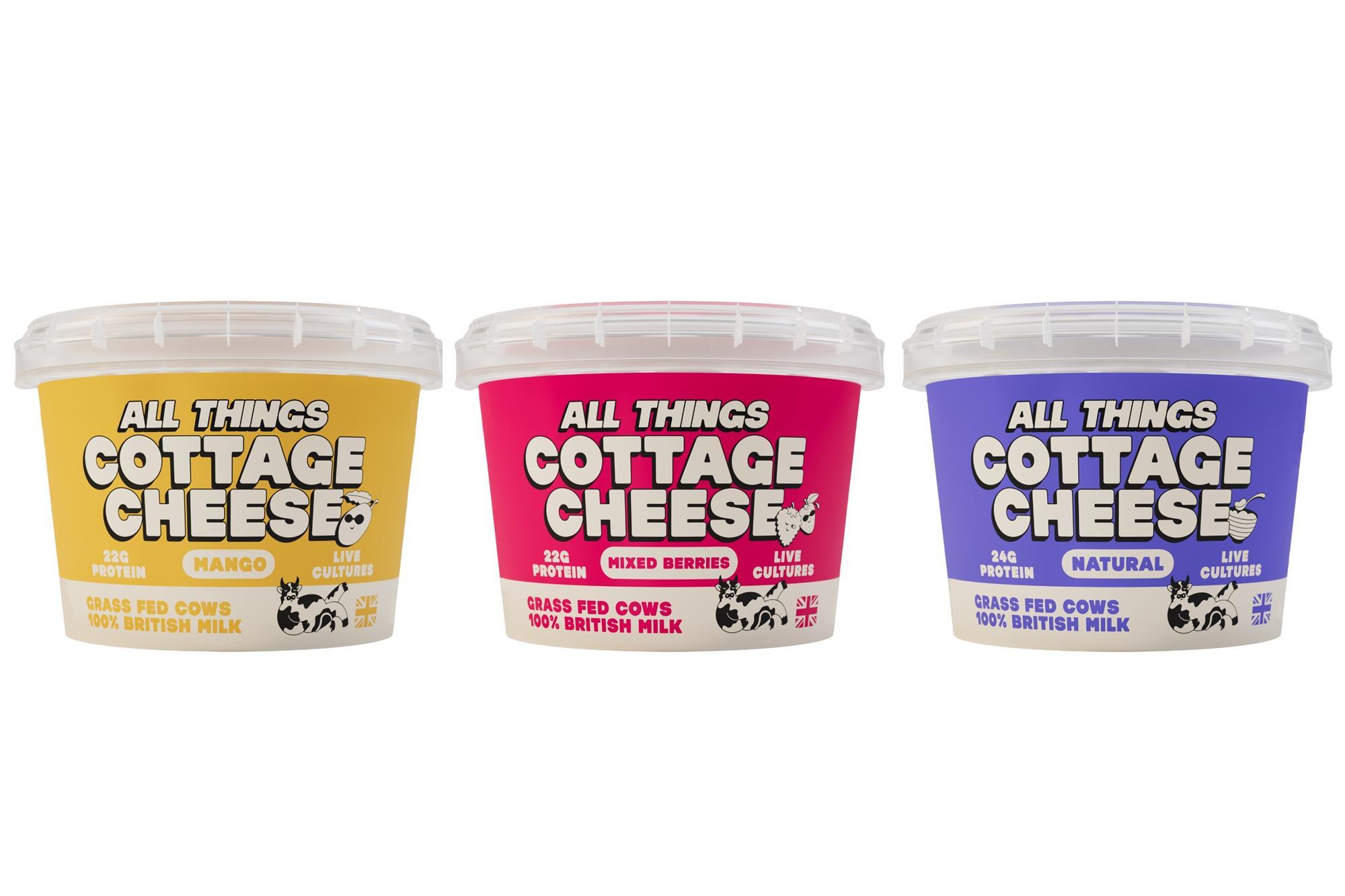

Small Curd Cottage Cheese
Summary
This small curd cottage cheese contains beneficial ingredients like skim milk, milk, cultured nonfat milk, and whey, which provide essential nutrients and protein. However, the presence of stabilizers and sorbic acid, which are synthetic additives, indicates a higher level of processing. Despite its good nutritional profile, the product is classified as ultra-processed, which limits its overall health score.
At a glance
Key ingredients 13
Skim MilkGood
Skim milk is a low-fat dairy product that provides essential nutrients like calcium and protein. It is minimally processed and retains most of the nutritional benefits of whole milk without the fat content. This makes it a suitable option for those looking to reduce fat intake while maintaining nutrient intake.
Benefits
Rich in calcium and protein, supporting bone health and muscle maintenance.
MilkGood
Milk is a nutrient-rich liquid that provides high-quality protein and essential vitamins and minerals. It is a staple in many diets and supports bone health due to its calcium content. The presence of natural fats also aids in the absorption of fat-soluble vitamins.
Risks
Lactose intolerance can cause digestive issues for some individuals.
Benefits
Provides essential nutrients like calcium, vitamin D, and high-quality protein.
CreamNeutral
Cream is a dairy product that adds richness and flavor to foods. It is high in saturated fats, which can be a concern if consumed in excess. However, in moderate amounts, it can enhance the texture and taste of dairy products.
Risks
High in saturated fats, which may contribute to heart disease if consumed in large quantities.
Benefits
Enhances flavor and texture, providing a creamy consistency to dairy products.
LactoseNeutral
Lactose is a natural sugar found in milk and dairy products. It provides a source of energy but can cause digestive issues for those with lactose intolerance. In small amounts, it is generally well-tolerated by most individuals.
Risks
May cause digestive discomfort in individuals with lactose intolerance.
Benefits
Provides a source of energy and is naturally present in dairy products.
SaltNeutral
Salt is used as a preservative and flavor enhancer in many foods. While essential for bodily functions, excessive intake can lead to health issues such as hypertension. In moderation, it helps to balance flavors and preserve food.
Risks
Excessive consumption can lead to high blood pressure and cardiovascular issues.
Benefits
Essential for maintaining fluid balance and nerve function.
StabilizerBad
Stabilizers like guar gum, mono and diglycerides, xanthan gum, carrageenan, and carob bean gum are used to improve texture and shelf life. These additives are highly processed and can cause digestive issues in sensitive individuals. Their presence indicates a higher level of processing in the product.
Risks
May cause digestive discomfort and potential allergic reactions in sensitive individuals.
Benefits
Improves texture and extends shelf life of processed foods.
Citric AcidNeutral
Citric acid is a natural preservative and flavor enhancer found in citrus fruits. It is widely used in food processing to add acidity and preserve freshness. Generally recognized as safe, it can occasionally cause irritation in sensitive individuals.
Risks
May cause irritation or allergic reactions in sensitive individuals.
Benefits
Acts as a natural preservative and enhances flavor.
Carbon DioxideNeutral
Carbon dioxide is used in food processing to create carbonation and preserve freshness. It is a naturally occurring gas and is generally considered safe for consumption. Its use in food products is primarily for preservation and texture.
Benefits
Helps preserve freshness and improve texture in food products.
Cultured Nonfat MilkGood
Cultured nonfat milk is fermented with beneficial bacteria, enhancing its probiotic content. This process improves digestibility and adds beneficial bacteria that support gut health. It retains the nutritional benefits of milk without the fat content.
Benefits
Supports gut health with probiotics and provides essential nutrients without added fat.
WheyGood
Whey is a high-quality protein derived from milk, rich in essential amino acids. It supports muscle growth and repair and is easily digestible. Whey protein is often used in supplements for its nutritional benefits.
Risks
May cause digestive issues in individuals with lactose intolerance.
Benefits
Supports muscle growth and repair with high-quality protein.
Potassium ChlorideNeutral
Potassium chloride is used as a salt substitute to reduce sodium content in foods. It provides potassium, an essential mineral for heart and muscle function. While beneficial in moderation, excessive intake can lead to hyperkalemia.
Risks
Excessive intake may lead to hyperkalemia, affecting heart function.
Benefits
Provides essential potassium, supporting heart and muscle function.
Cultured DextroseNeutral
Cultured dextrose is used as a natural preservative and flavor enhancer. It is derived from the fermentation of dextrose, a simple sugar. While it helps preserve food, it adds to the sugar content of the product.
Risks
Contributes to sugar content, which may be a concern for those monitoring sugar intake.
Benefits
Acts as a natural preservative and enhances flavor.
Sorbic AcidBad
Sorbic acid is a synthetic preservative used to inhibit mold and yeast growth. It is effective in extending shelf life but is a synthetic additive. Some studies suggest potential health concerns with long-term consumption.
Risks
Potential health concerns with long-term consumption, including allergic reactions.
Benefits
Effectively inhibits mold and yeast growth, extending shelf life.
Processing
Ultra-Processed Foods
Get the full breakdown in the Scout app
Scan any product to see lab results, healthy alternatives, and your personalized analysis.
Download on theApp Store