
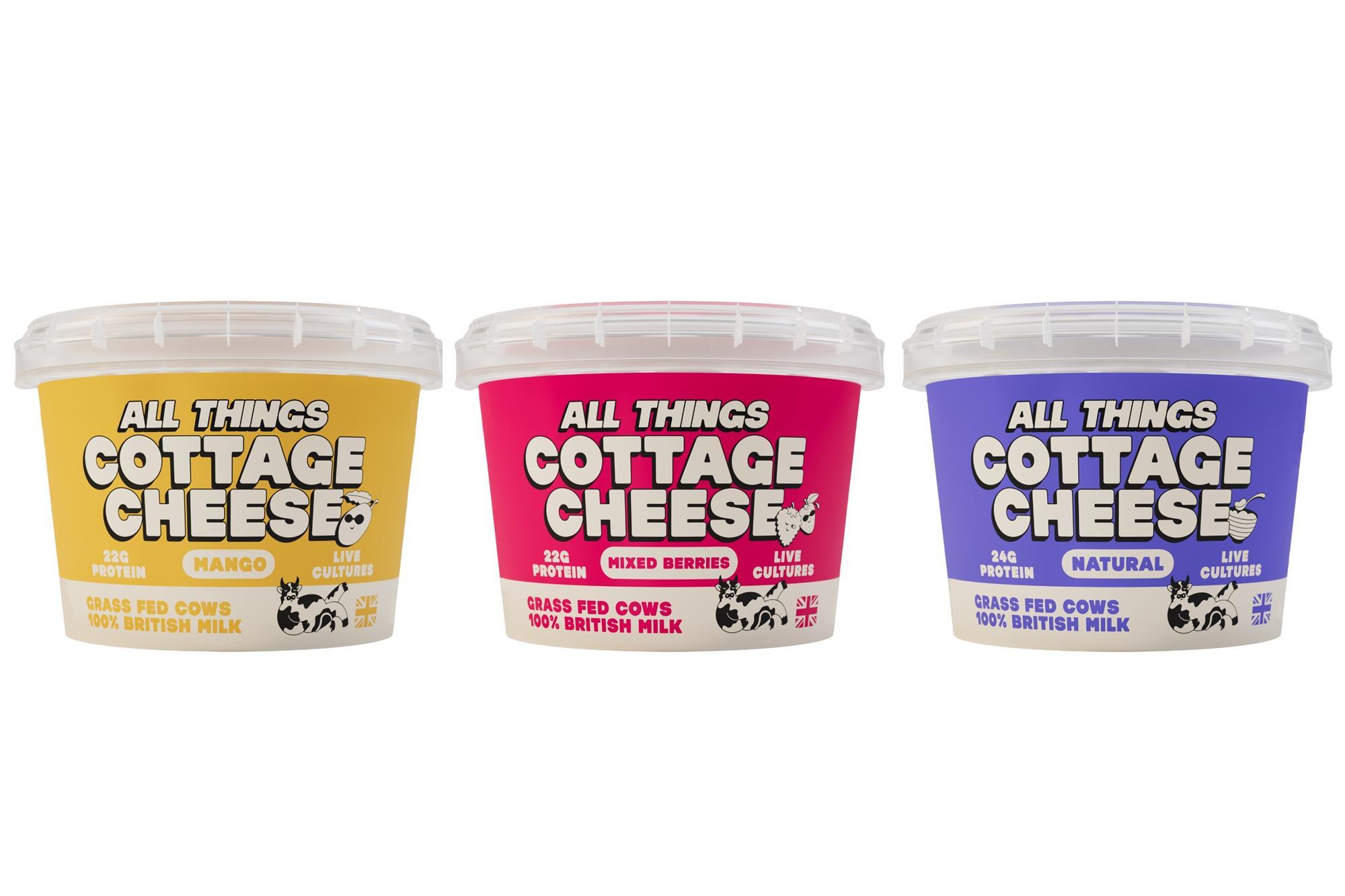


At a glance
Summary
This cottage cheese is made with organic ingredients, including skim milk, whole milk, and cream, which are free from synthetic additives and hormones. It contains live and active cultures that support gut health and digestion. Despite being processed, the clean ingredient list and absence of harmful additives contribute to its high rating within the processed food category.
Key ingredients 5
Organic skim milkGood
Organic skim milk is a low-fat source of protein and calcium. Being organic, it is free from synthetic pesticides and hormones. It provides essential nutrients without the added fat content of whole milk.
Benefits
Provides high-quality protein and calcium essential for bone health. Being organic, it supports sustainable farming practices.
Organic whole milkGood
Organic whole milk is a rich source of protein, calcium, and healthy fats. The organic certification ensures it is free from synthetic hormones and pesticides. It offers a complete nutrient profile beneficial for overall health.
Risks
Excessive consumption may contribute to increased calorie intake and fat consumption.
Benefits
Rich in essential nutrients like calcium and vitamin D, supporting bone health and overall nutrition. Organic farming practices enhance environmental sustainability.
Organic creamGood
Organic cream adds richness and flavor, providing healthy fats and fat-soluble vitamins. The organic label ensures it is free from synthetic additives and hormones. It enhances the texture and taste of dairy products.
Risks
High in saturated fats, which should be consumed in moderation to maintain heart health.
Benefits
Provides fat-soluble vitamins and enhances the flavor profile of foods. Organic certification supports sustainable agriculture.
Sea saltGood
Sea salt is a natural source of sodium and trace minerals. It is minimally processed, retaining beneficial minerals. It enhances flavor without the additives found in refined salts.
Risks
Excessive sodium intake can lead to hypertension and cardiovascular issues.
Benefits
Contains trace minerals that support electrolyte balance and overall health. Enhances flavor naturally without additives.
Live and active culturesGood
Live and active cultures, such as Lactococcus and Lactobacillus, promote gut health by supporting beneficial bacteria. They are essential for the fermentation process in dairy products. These cultures can improve digestion and enhance immune function.
Benefits
Supports digestive health and boosts the immune system through beneficial probiotics. Enhances the nutritional profile of fermented foods.
Processing
Processed Foods
Get the full breakdown in the Scout appTake Scout shopping
Scan any product to see lab results, healthy alternatives, and your personalized analysis.
Download on theApp Store GET IT ONGoogle Play