

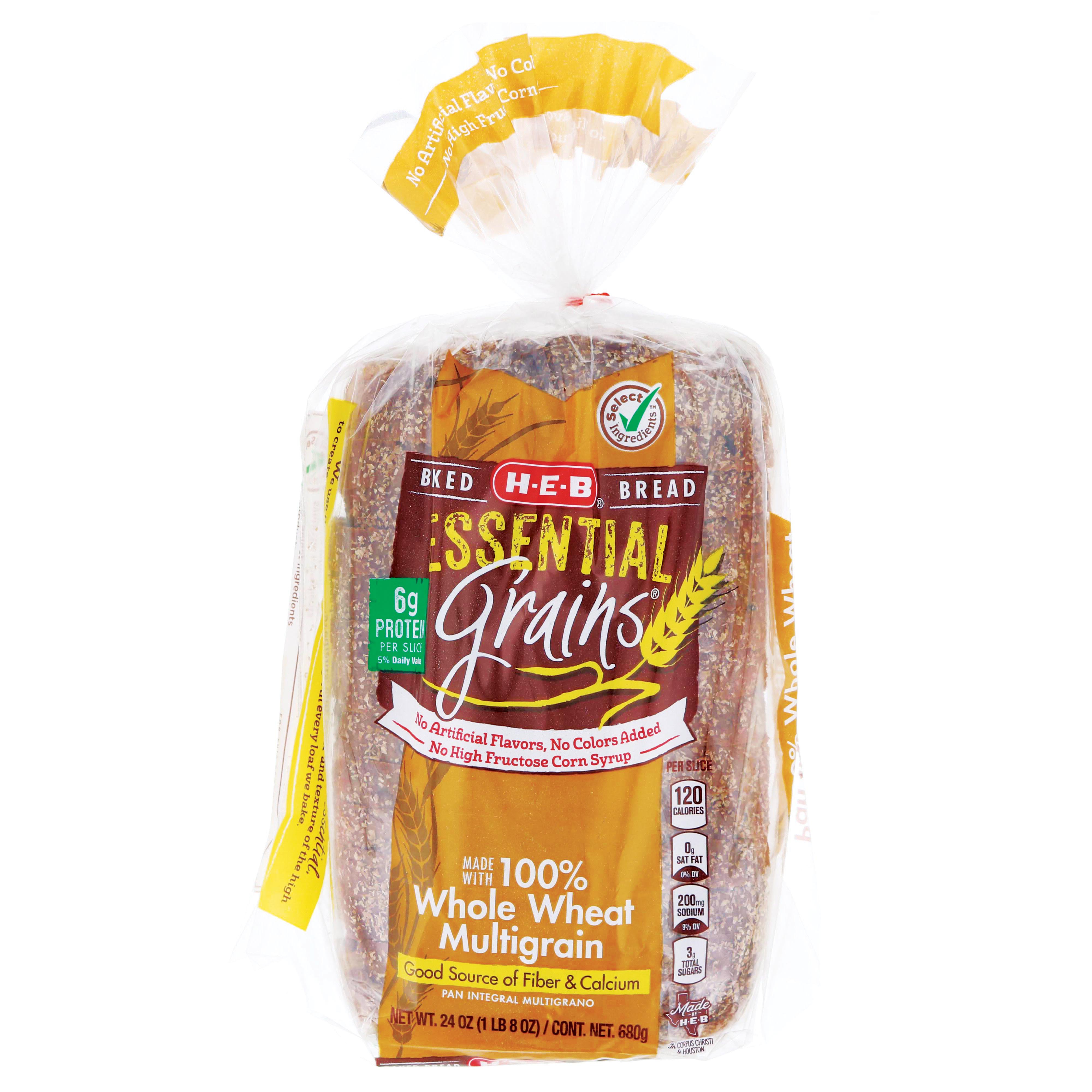


Artisan’s Choice Whole Wheat
Analysis updated August 2026 · How Scout scores
At a glance
Summary
This bread is made with sprouted whole wheat flour, which is a nutrient-rich ingredient that supports digestive health. However, the presence of sunflower oil, a seed oil high in omega-6 fatty acids, and refined brown sugar contribute to its processing level and potential health concerns. The use of emulsifiers like sunflower and soy lecithin further indicates a moderate level of processing, impacting the overall score.
Key ingredients 8
Sprouted Whole Wheat FlourGood
Sprouted whole wheat flour is a nutrient-rich ingredient that retains the bran and germ, providing fiber and essential nutrients. The sprouting process enhances nutrient absorption and reduces antinutrients. It is a minimally processed ingredient that supports digestive health.
Benefits
Rich in fiber and essential nutrients, supporting digestive health and providing sustained energy.
WaterNeutral
Water is a fundamental ingredient used to hydrate and bind ingredients in bread. It is essential for the dough formation and baking process. Water itself does not provide nutritional benefits or risks.
See more about Water →Wheat GlutenNeutral
Wheat gluten is a protein that enhances the elasticity and texture of bread. It is commonly used in baking to improve dough strength. While it is beneficial for bread structure, it may cause issues for those with gluten sensitivities.
Risks
May cause adverse reactions in individuals with gluten intolerance or celiac disease.
Benefits
Improves bread texture and elasticity, contributing to a better baking outcome.
YeastNeutral
Yeast is a microorganism used in bread making to ferment sugars, producing carbon dioxide that leavens the dough. It is a natural ingredient essential for bread rise. Yeast itself does not provide significant nutritional benefits.
Benefits
Essential for bread leavening, contributing to texture and volume.
Brown SugarBad
Brown sugar is a refined sugar that contributes to the sweetness of the product. It can lead to increased calorie intake and potential blood sugar spikes. While it provides some trace minerals, its health impact is similar to that of white sugar.
Risks
Excessive consumption may lead to weight gain and increased risk of metabolic disorders.
Benefits
Provides a small amount of trace minerals compared to white sugar.
Sunflower LecithinBad
Sunflower lecithin is an emulsifier used to improve texture and shelf life. It is a processed ingredient derived from sunflower seeds. While generally safe, it is an additive that does not provide nutritional benefits.
Risks
May cause digestive issues in sensitive individuals.
Benefits
Improves texture and shelf life of baked goods.
Soy LecithinBad
Soy lecithin is a common emulsifier used to stabilize and improve the texture of processed foods. It is derived from soybeans and is a highly processed ingredient. While generally recognized as safe, it does not offer nutritional benefits.
Risks
May cause allergic reactions in individuals sensitive to soy.
Benefits
Improves texture and stability of food products.
Sunflower OilVery Bad
Sunflower oil is a seed oil high in omega-6 fatty acids, which can promote inflammation when consumed in excess. It is a refined oil that undergoes significant processing. Its high omega-6 content is a concern for balanced dietary fat intake.
Risks
High omega-6 content may promote inflammation when consumed in excess.
Processing
Processed Foods
Get the full breakdown in the Scout appTake Scout shopping
Scan any product to see lab results, healthy alternatives, and your personalized analysis.
Download on theApp Store GET IT ONGoogle Play