



At a glance
Summary
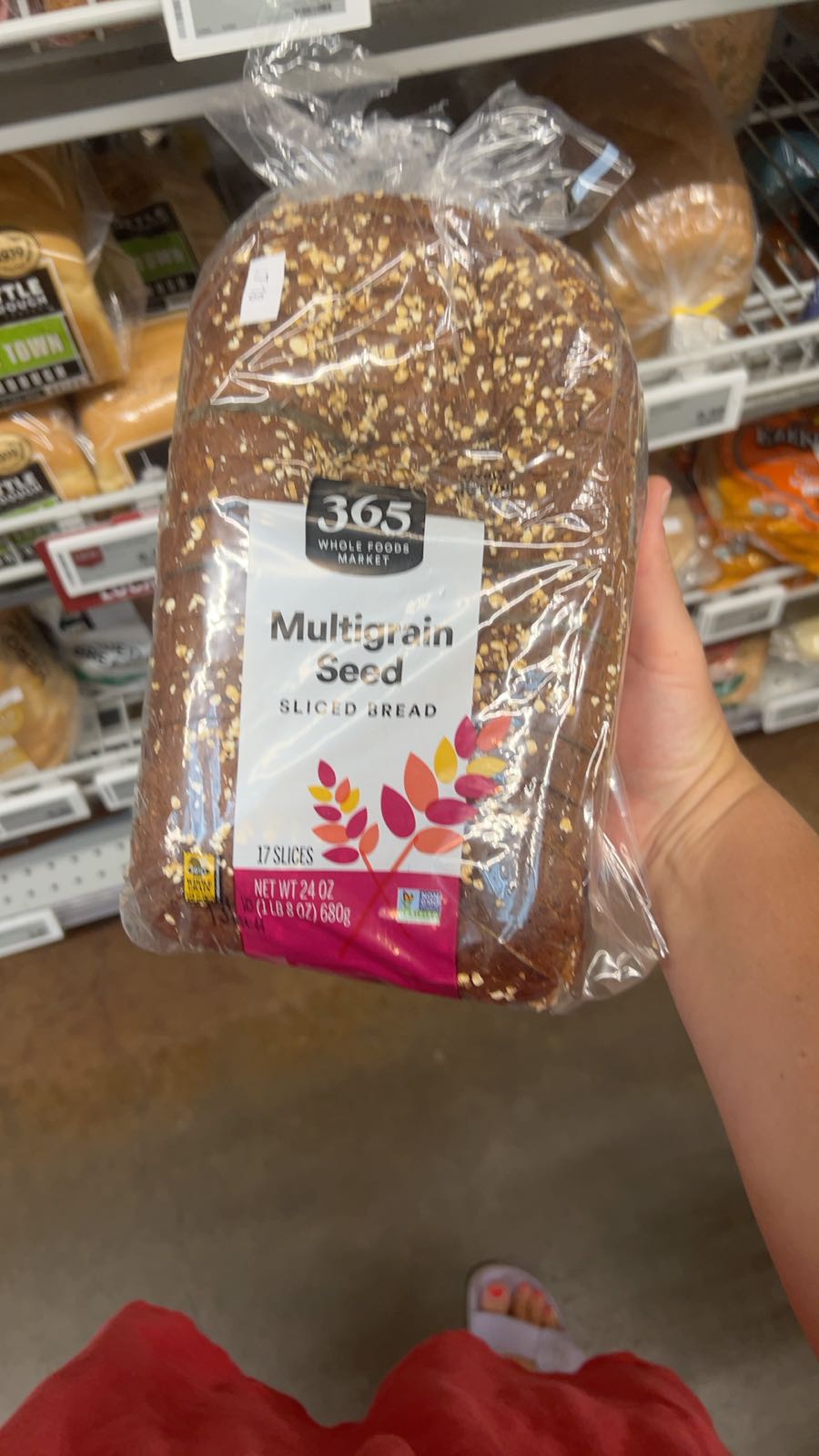
This multigrain bread contains a variety of whole grains and seeds, such as whole wheat flour, rolled oats, and flaxseed, which provide fiber and essential nutrients. However, it includes granulated sugar, a refined sweetener that can contribute to blood sugar spikes. The product is moderately processed, which limits its score despite the presence of beneficial ingredients.
Key ingredients 25
FlaxseedVery Good
Flaxseed is a source of omega-3 fatty acids and dietary fiber. It supports heart health and has anti-inflammatory properties. It is also a good source of lignans, which have antioxidant properties.
Risks
Excessive consumption may lead to digestive issues due to high fiber content.
Benefits
Rich in omega-3 fatty acids and lignans, supporting heart health and providing antioxidant benefits.
Whole wheat flourGood
Whole wheat flour is a source of complex carbohydrates and dietary fiber. It retains the bran and germ, providing essential nutrients like B vitamins and minerals. It supports digestive health and provides sustained energy.
Risks
May cause allergic reactions in individuals with wheat allergies or gluten intolerance.
Benefits
Rich in dietary fiber, which aids in digestion and helps maintain stable blood sugar levels.
Rolled oatsGood
Rolled oats are a whole grain rich in dietary fiber and beta-glucans. They help lower cholesterol levels and support heart health. They provide a good source of energy and nutrients.
Risks
May contain gluten, posing a risk for those with celiac disease or gluten sensitivity.
Benefits
High in soluble fiber, which can help reduce cholesterol and improve heart health.
Wheat flakesGood
Wheat flakes are a whole grain product that provides fiber and essential nutrients. They are minimally processed, retaining most of their nutritional value. They contribute to digestive health and provide energy.
Risks
May cause allergic reactions in individuals with wheat allergies or gluten intolerance.
Benefits
Provides dietary fiber and essential nutrients, supporting digestive health.
Rye flakesGood
Rye flakes are a whole grain rich in fiber and nutrients. They have a lower glycemic index compared to other grains, which helps in blood sugar management. They support heart health and digestion.
Risks
May cause allergic reactions in individuals with rye allergies or gluten intolerance.
Benefits
Rich in fiber and nutrients, supporting heart health and digestion.
Sunflower seedGood
Sunflower seeds are a good source of healthy fats, protein, and vitamins. They provide vitamin E, which acts as an antioxidant. They support heart health and provide essential nutrients.
Risks
May cause allergic reactions in individuals with seed allergies.
Benefits
Rich in healthy fats and vitamin E, supporting heart health and providing antioxidant benefits.
MilletGood
Millet is a gluten-free grain rich in fiber and essential nutrients. It supports digestive health and provides a good source of energy. It is also rich in magnesium, which supports heart health.
Benefits
Provides fiber and essential nutrients, supporting digestive health and energy levels.
Sea saltGood
Sea salt is a natural source of sodium and trace minerals. It is less processed than table salt and retains beneficial minerals. It enhances flavor and provides essential electrolytes.
Risks
Excessive consumption can lead to high blood pressure and related health issues.
Benefits
Provides essential electrolytes and enhances flavor with trace minerals.
WaterNeutral
Water is a fundamental ingredient used to hydrate and bind components in food products. It is essential for the dough formation in bread. It does not contribute any calories or nutrients.
See more about Water →Coconut sugarNeutral
Coconut sugar is a natural sweetener with a lower glycemic index than regular sugar. It contains trace amounts of nutrients like iron and zinc. It is less processed than refined sugar.
Risks
Still a form of sugar and should be consumed in moderation to avoid blood sugar spikes.
Benefits
Contains trace nutrients and has a lower glycemic index compared to refined sugar.
Barley malt syrupNeutral
Barley malt syrup is a natural sweetener derived from sprouted barley. It has a lower glycemic index than refined sugars. It provides a distinct flavor and some trace nutrients.
Risks
Contains gluten, which may be a concern for those with celiac disease or gluten sensitivity.
Benefits
Provides a natural sweetening option with a lower glycemic index than refined sugars.
Wheat glutenNeutral
Wheat gluten is a protein that provides elasticity and structure to bread. It is a common ingredient in bread-making to improve texture. It is not suitable for those with gluten intolerance or celiac disease.
Risks
Can cause adverse reactions in individuals with gluten intolerance or celiac disease.
Benefits
Improves bread texture and provides protein content.
YeastNeutral
Yeast is a microorganism used in baking to leaven bread. It ferments sugars, producing carbon dioxide that helps dough rise. It is a natural ingredient with no significant health concerns.
Benefits
Essential for bread leavening, contributing to texture and flavor.
Roasted wheat malt flourNeutral
Roasted wheat malt flour adds flavor and color to baked goods. It is made from sprouted wheat grains that are roasted and ground. It provides some nutrients but is primarily used for its flavor profile.
Risks
Contains gluten, which may be a concern for those with celiac disease or gluten sensitivity.
Benefits
Enhances flavor and color in baked goods.
Cultured wheat flourNeutral
Cultured wheat flour is treated with natural cultures to extend shelf life. It is used as a natural preservative in baked goods. It retains the nutritional profile of wheat flour.
Risks
Contains gluten, which may be a concern for those with celiac disease or gluten sensitivity.
Benefits
Acts as a natural preservative while retaining nutritional value.
Tapioca flourNeutral
Tapioca flour is a gluten-free starch extracted from cassava root. It is used as a thickening agent and provides a chewy texture. It is low in nutrients but useful in gluten-free baking.
Benefits
Provides a gluten-free option for thickening and texture in baking.
Cultured wheat starchNeutral
Cultured wheat starch is used as a natural preservative in baked goods. It is derived from wheat and treated with cultures to inhibit spoilage. It retains the starch properties of wheat.
Risks
Contains gluten, which may be a concern for those with celiac disease or gluten sensitivity.
Benefits
Acts as a natural preservative while maintaining starch properties.
Wheat starchNeutral
Wheat starch is a carbohydrate extracted from wheat. It is used as a thickening agent and provides texture in food products. It is low in nutrients and primarily used for its functional properties.
Risks
Contains gluten, which may be a concern for those with celiac disease or gluten sensitivity.
Benefits
Provides texture and thickening properties in food products.
Rowan berry fruit extractNeutral
Rowan berry fruit extract is used for its antioxidant properties and flavor. It is derived from rowan berries and may provide some health benefits. It is used in small quantities in food products.
Benefits
May provide antioxidant benefits and enhance flavor.
Citric acidNeutral
Citric acid is a natural acid found in citrus fruits, used as a preservative and flavor enhancer. It is widely used in food products for its ability to balance acidity. It is generally recognized as safe when consumed in typical amounts.
Risks
Excessive consumption may cause dental erosion or gastrointestinal discomfort.
Benefits
Enhances flavor and acts as a natural preservative.
AmylaseNeutral
Amylase is an enzyme that breaks down starches into sugars. It is used in baking to improve dough handling and texture. It is naturally occurring and safe for consumption.
Benefits
Improves dough texture and handling in baking.
XylanaseNeutral
Xylanase is an enzyme used to break down hemicellulose in dough, improving texture and volume. It is commonly used in baking to enhance bread quality. It is safe for consumption and naturally occurring.
Benefits
Enhances dough texture and volume in baking.
Glucose oxidaseNeutral
Glucose oxidase is an enzyme used to improve dough stability and shelf life. It helps in the oxidation of glucose, enhancing dough strength. It is safe for consumption and used in small quantities.
Benefits
Improves dough stability and extends shelf life.
LipaseNeutral
Lipase is an enzyme that breaks down fats, used in baking to improve dough texture. It enhances the flavor and quality of baked goods. It is naturally occurring and safe for consumption.
Benefits
Enhances flavor and texture in baked goods.
Granulated sugarBad
Granulated sugar is a refined sweetener that can contribute to blood sugar spikes. It provides empty calories with no nutritional benefits. Excessive consumption is linked to various health issues.
Risks
High intake can lead to obesity, diabetes, and other metabolic disorders.
Processing
Processed Foods
Get the full breakdown in the Scout appTake Scout shopping
Scan any product to see lab results, healthy alternatives, and your personalized analysis.
Download on theApp Store GET IT ONGoogle Play