
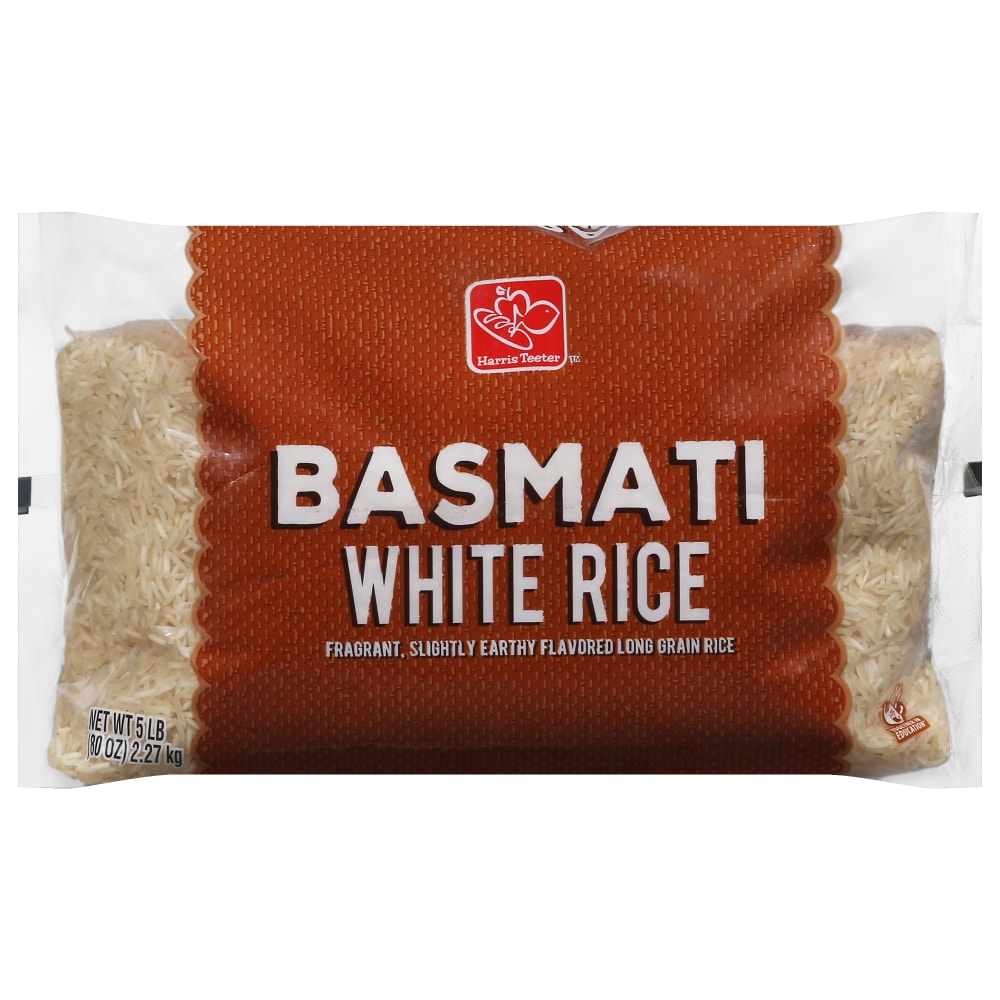


Basmati White Rice
Analysis updated September 2026 · How Scout scores
At a glance
Summary
This product contains basmati white rice, which is a minimally processed staple carbohydrate with a low glycemic index. However, the inclusion of canola oil, a highly processed seed oil, detracts from its nutritional quality due to its potential inflammatory effects and the processing methods used in its extraction. The presence of canola oil lowers the overall health score despite the rice's beneficial properties.
Key ingredients 3
Basmati White RiceGood
Basmati white rice is a staple carbohydrate source with a low glycemic index compared to other white rice varieties. It is minimally processed and provides energy through its carbohydrate content. While not as nutrient-dense as whole grains, it is a versatile and easily digestible food.
Risks
Excessive consumption may contribute to high carbohydrate intake, which can affect blood sugar levels.
Benefits
Provides a source of energy and is low in fat. Its low glycemic index makes it a preferable choice for maintaining stable blood sugar levels.
WaterNeutral
Water is a neutral ingredient with no direct nutritional impact. It is essential for cooking and hydration but does not contribute calories or nutrients. It is a necessary component in many food preparations.
See more about Water →Canola OilVery Bad
Canola oil is a seed oil high in omega-6 fatty acids, which can promote inflammation when consumed in excess. It is often highly processed and refined, which can reduce its nutritional quality. The extraction process typically involves heat and chemicals, which may affect its health profile.
Risks
High omega-6 content may promote inflammation when consumed in excess. Processing methods can introduce harmful compounds.
Processing
Processed Culinary Ingredients
Get the full breakdown in the Scout appTake Scout shopping
Scan any product to see lab results, healthy alternatives, and your personalized analysis.
Download on theApp Store GET IT ONGoogle Play