



At a glance
Summary
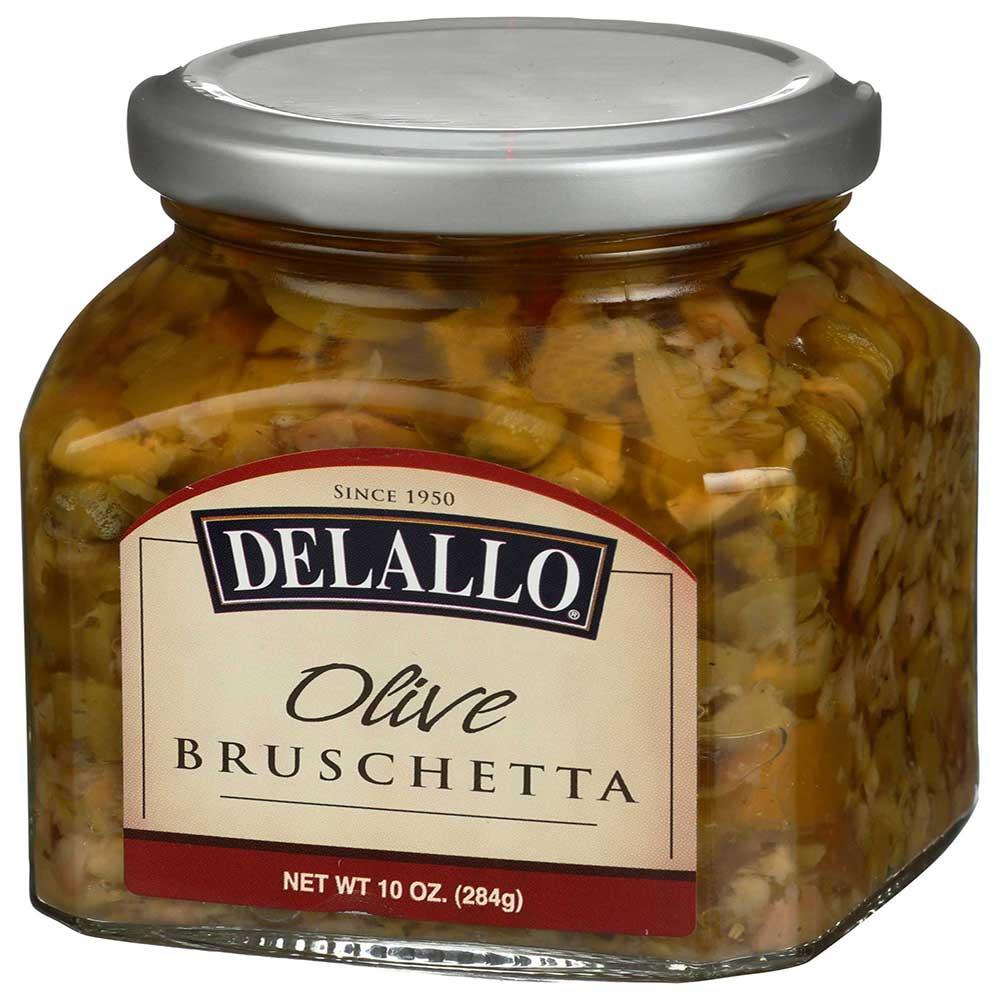
This olive bruschetta features high-quality ingredients such as green and black olives, olive oil, and peppers, which are rich in healthy fats and antioxidants. The product is processed but maintains a clean label with minimal additives, enhancing its nutritional profile. The presence of ascorbic and citric acids as preservatives is minimal and does not significantly detract from the overall quality of the ingredients.
Key ingredients 11
Green OlivesVery Good
Green olives are rich in monounsaturated fats and antioxidants, which support heart health. They contain oleuropein, a compound with anti-inflammatory properties. The fermentation process enhances their probiotic content.
Benefits
Rich in healthy fats and antioxidants, promoting cardiovascular health and reducing inflammation.
Olive OilVery Good
Olive oil is a high-quality source of monounsaturated fats, known for its heart-protective effects. It contains antioxidants like vitamin E and polyphenols. Cold-pressed extraction preserves its beneficial compounds.
Benefits
Supports heart health and provides anti-inflammatory properties due to its rich monounsaturated fat content.
Black OlivesVery Good
Black olives are a good source of healthy fats and contain antioxidants that support overall health. They are rich in vitamin E, which helps protect cells from oxidative damage. The curing process enhances their flavor and nutrient profile.
Benefits
Provides healthy fats and antioxidants, contributing to heart health and reducing oxidative stress.
Red PeppersGood
Red peppers are rich in vitamins A and C, which are essential for immune function and skin health. They contain antioxidants like beta-carotene. Their vibrant color indicates a high nutrient density.
Benefits
High in vitamins and antioxidants, supporting immune health and reducing inflammation.
Yellow PeppersGood
Yellow peppers are a good source of vitamin C and other antioxidants, which help boost the immune system. They are low in calories and high in fiber. Their bright color is indicative of their nutrient content.
Benefits
Rich in vitamin C and antioxidants, promoting immune health and providing dietary fiber.
SpicesGood
Whole-food seasonings, antioxidant-bearing.
Benefits
Can enhance flavor and provide antioxidants depending on the specific spices used.
Ascorbic AcidGood
Vitamin C — beneficial even when serving as a preservative.
Benefits
Acts as an antioxidant and preservative, maintaining product freshness.
CapersNeutral
Capers are low in calories and contain some antioxidants. They are often used for flavoring due to their tangy taste. Their nutritional impact is minimal due to the small quantities typically consumed.
Risks
High sodium content may be a concern for individuals with hypertension if consumed in large amounts.
Benefits
Adds flavor to dishes with minimal caloric impact.
VinegarNeutral
Vinegar is used as a preservative and flavor enhancer. It has minimal nutritional value but can aid in digestion. Its acidity can help balance flavors in dishes.
Risks
Excessive consumption may lead to digestive discomfort due to its acidity.
Benefits
May aid digestion and enhance flavor without adding calories.
SaltNeutral
Salt is used for flavor enhancement and preservation. It is essential for bodily functions but should be consumed in moderation. Excessive intake can lead to hypertension.
Risks
High sodium intake can contribute to hypertension and cardiovascular issues.
Benefits
Essential for electrolyte balance and flavor enhancement.
Citric AcidNeutral
Citric acid is used as a preservative and flavor enhancer. It is naturally found in citrus fruits. In processed foods, it helps maintain freshness and flavor.
Benefits
Helps preserve food and enhance flavor without significant nutritional impact.
Processing
Processed Foods
Get the full breakdown in the Scout appTake Scout shopping
Scan any product to see lab results, healthy alternatives, and your personalized analysis.
Download on theApp Store GET IT ONGoogle Play