

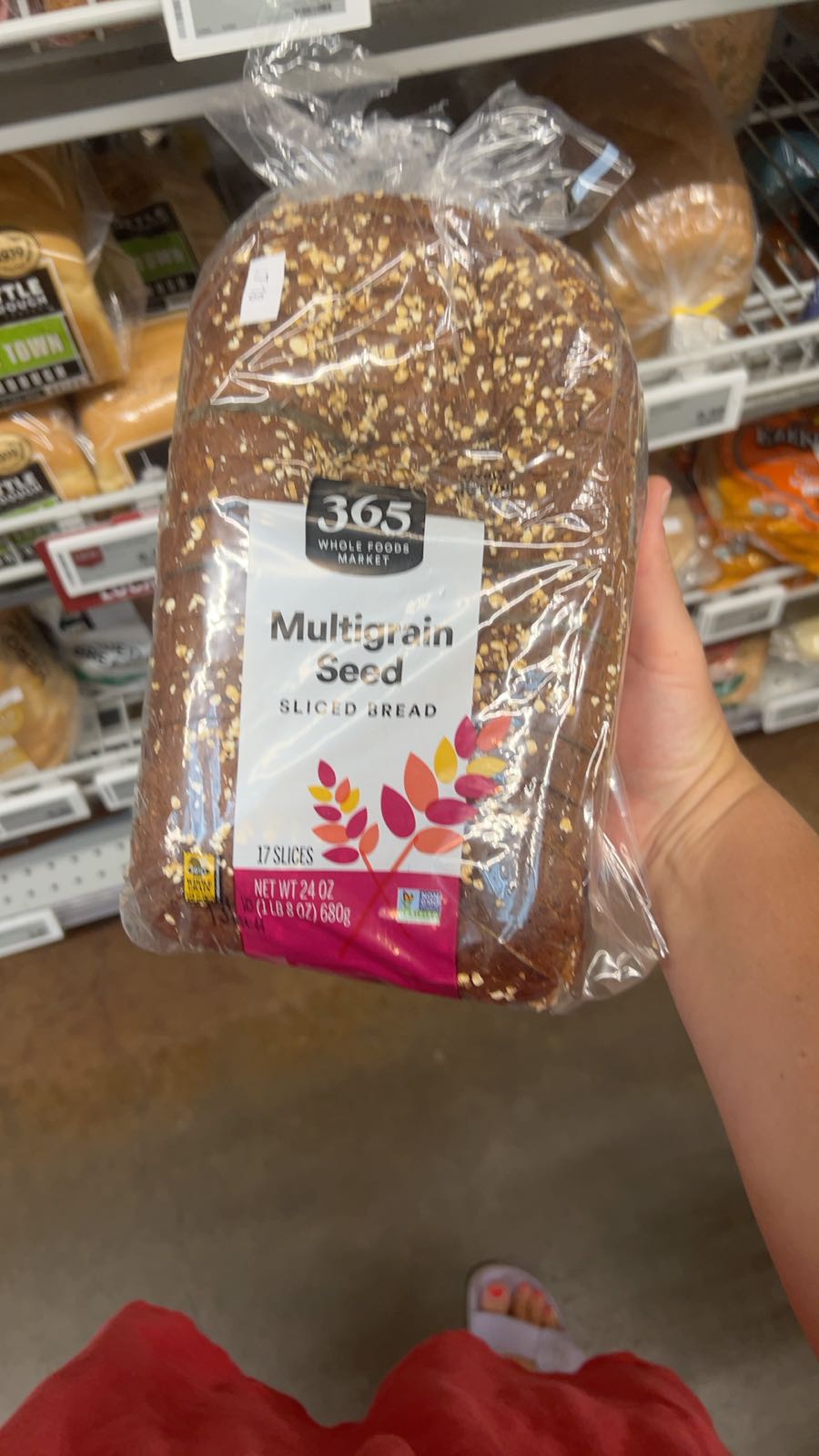


PARAMOUNT BAKERIES, BRICK OVEN BAKED SLICED RYE BREAD
Analysis updated August 2026 · How Scout scores
At a glance
Summary
This rye bread contains enriched wheat flour and rye flour, which provide some nutritional benefits, but it also includes calcium propionate, a synthetic preservative. The presence of this additive, along with the processed nature of the product, limits its healthfulness. While the ingredient list is relatively short, the use of enriched flour and preservatives prevents it from being considered a minimally processed or whole food option.
Key ingredients 10
Rye flourNeutral
Standard formulation ingredient — neither beneficial nor harmful at typical use.
Benefits
Rich in fiber and phytonutrients, which can aid in digestion and help stabilize blood sugar levels.
WaterNeutral
Water is a fundamental ingredient used to hydrate and mix the dough. It does not contribute any calories or nutrients. Its primary role is to facilitate the baking process.
Benefits
Essential for hydration and mixing of ingredients in the baking process.
SaltNeutral
Salt is used to enhance flavor and control yeast activity in bread. It is a common ingredient in baking but should be consumed in moderation due to potential health concerns. Excessive salt intake can lead to high blood pressure.
Risks
Excessive consumption may lead to high blood pressure and other cardiovascular issues.
Benefits
Enhances flavor and helps control yeast activity in baking.
YeastNeutral
Yeast is a microorganism used to ferment and leaven bread, giving it texture and flavor. It is a natural ingredient that contributes to the bread's rise. Yeast is generally considered safe and beneficial in baking.
Benefits
Contributes to the fermentation and leavening of bread, enhancing texture and flavor.
Corn mealNeutral
Corn meal is a ground grain product used for texture and flavor in bread. It is a source of carbohydrates and provides a distinct taste. While it adds texture, it is not a significant source of nutrients.
Benefits
Adds texture and flavor to the bread.
Ground carawayNeutral
Ground caraway is a spice used to add flavor to rye bread. It is known for its aromatic properties and can aid in digestion. While it enhances flavor, it is used in small quantities.
Benefits
Enhances flavor and may aid in digestion.
Caraway seedsNeutral
Caraway seeds are used for their distinctive flavor in rye bread. They are a natural ingredient with potential digestive benefits. Caraway seeds are generally safe and add aromatic qualities to the bread.
Benefits
Provides a distinctive flavor and may offer digestive benefits.
EnzymeNeutral
Enzymes are used in baking to improve dough properties and bread quality. They are naturally occurring proteins that aid in the breakdown of starches. Enzymes are generally considered safe and beneficial in small amounts.
Benefits
Improves dough properties and enhances bread quality.
Enriched wheat flourBad
Refined grain flour stripped of bran and germ.
Risks
May contribute to blood sugar spikes and lacks the fiber content of whole grains.
Benefits
Provides essential nutrients such as iron and B vitamins due to fortification.
Calcium propionateBad
Calcium propionate is a preservative used to extend the shelf life of bread by inhibiting mold growth. It is a synthetic additive and may cause digestive issues in sensitive individuals. While effective as a preservative, it is not a natural ingredient.
Risks
May cause digestive issues in sensitive individuals and is a synthetic additive.
Benefits
Extends the shelf life of bread by preventing mold growth.
Processing
Processed Foods
Get the full breakdown in the Scout appTake Scout shopping
Scan any product to see lab results, healthy alternatives, and your personalized analysis.
Download on theApp Store GET IT ONGoogle Play